
Chiyu Uemae (1920–2018) was an artist who continued his artistic practice while working as a crane operator at a blast furnace in a steelworks until his retirement at the age of sixty. His work was not confined to a single style; rather, it evolved continuously over time, incorporating a wide range of materials and techniques.
Overview
| (1) | 1930s–early 1950s|From Figuration to Abstraction |
| (2) | 1954–1972|Gutai Period: Dots, Lines, and Matchstick Works |
| (3) | From 1972|Diversification of Artistic Practice |
| (3.1) | Practices from the Gutai Period (1972–late 1990s) |
| (3.2) | NUI (Stitched Works): Embodied Memory and Abstraction (1975–1997) |
| (3.3) | Ink Drawings, Watercolors, and Printmaking (from 1980) |
| (3.4) | Square-Based Compositions (from 1992) |
| (3.5) | Moriage (Built-up) Works (from 2000) |
| (3.6) | Works Using Diverse Materials |
(1) 1930s–early 1950s|From Figuration to Abstraction
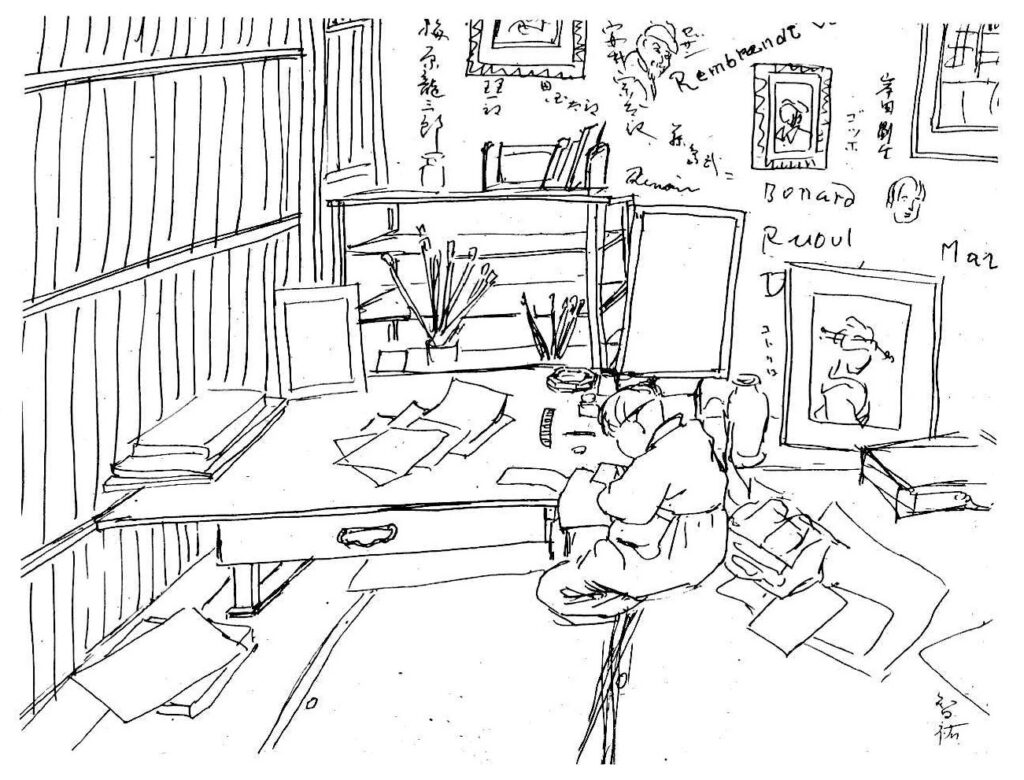
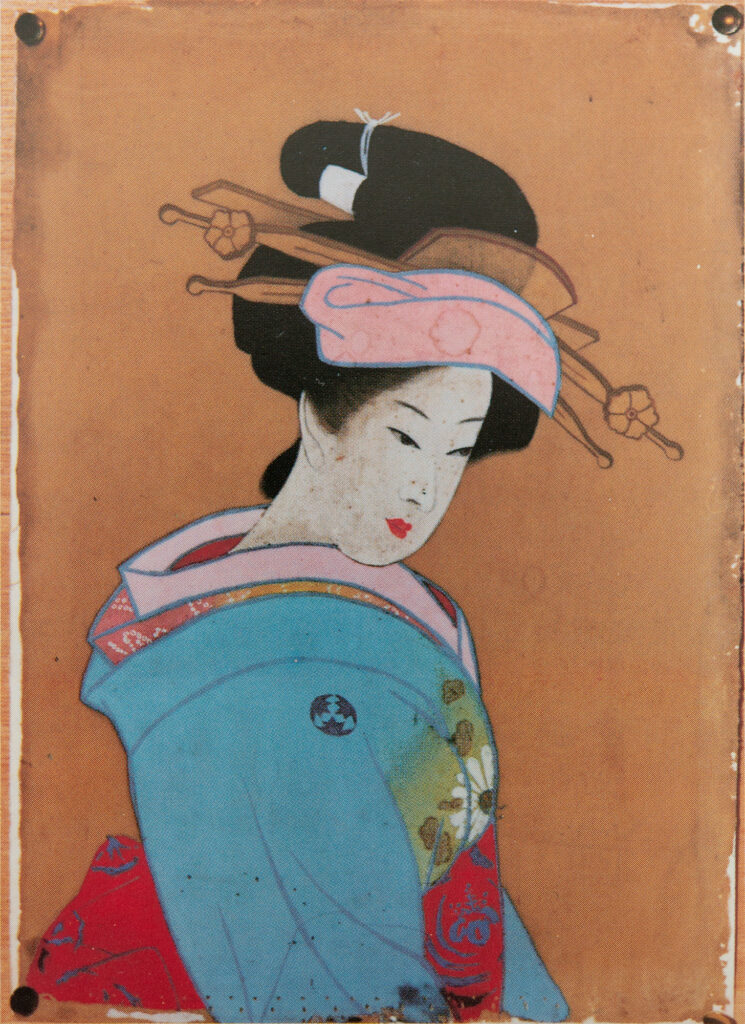
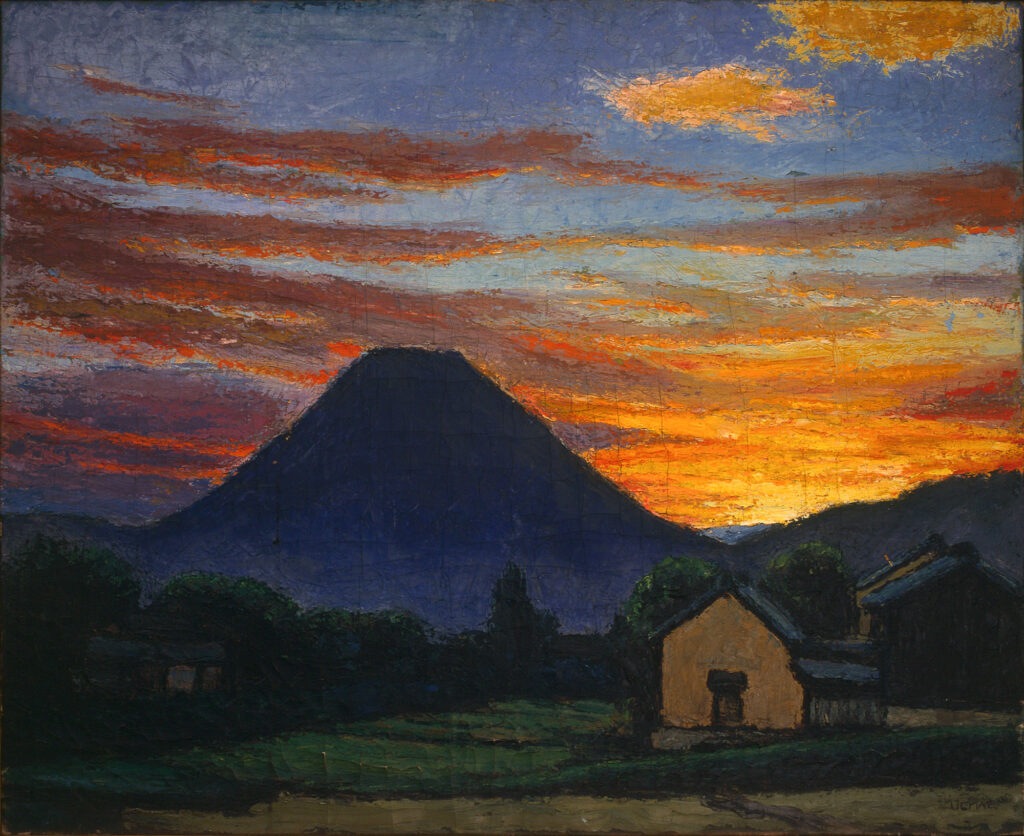
In his youth, Uemae aspired to become an illustrator. He studied portraiture and illustration independently and also took correspondence courses in nanga (Southern-style painting).
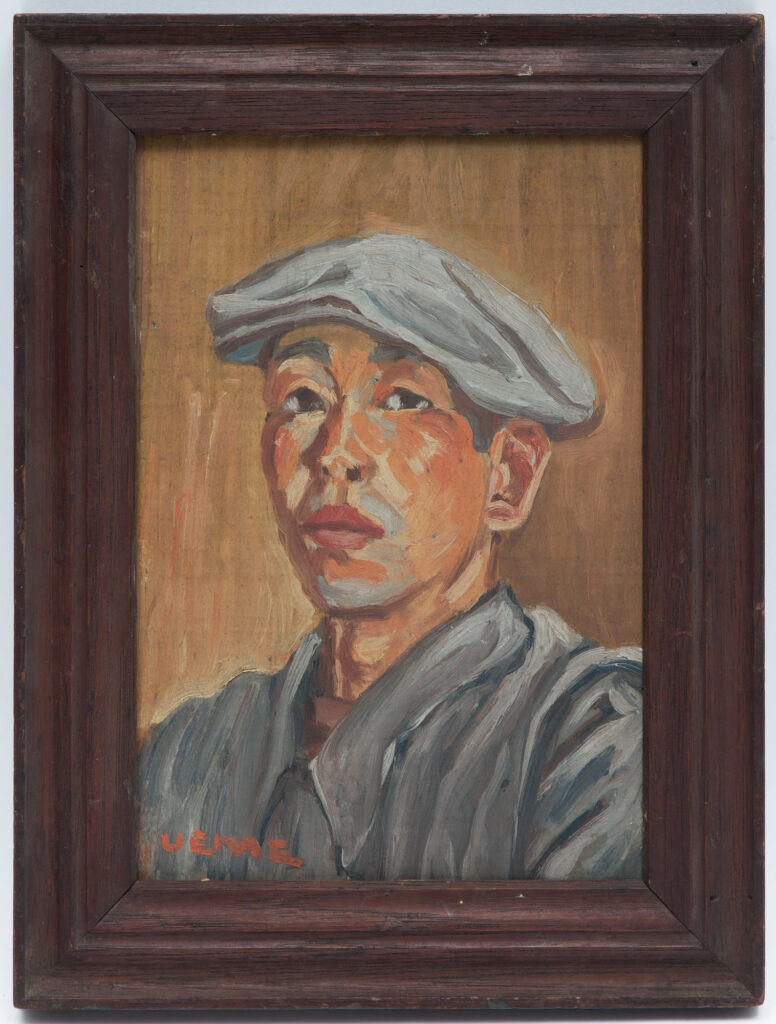
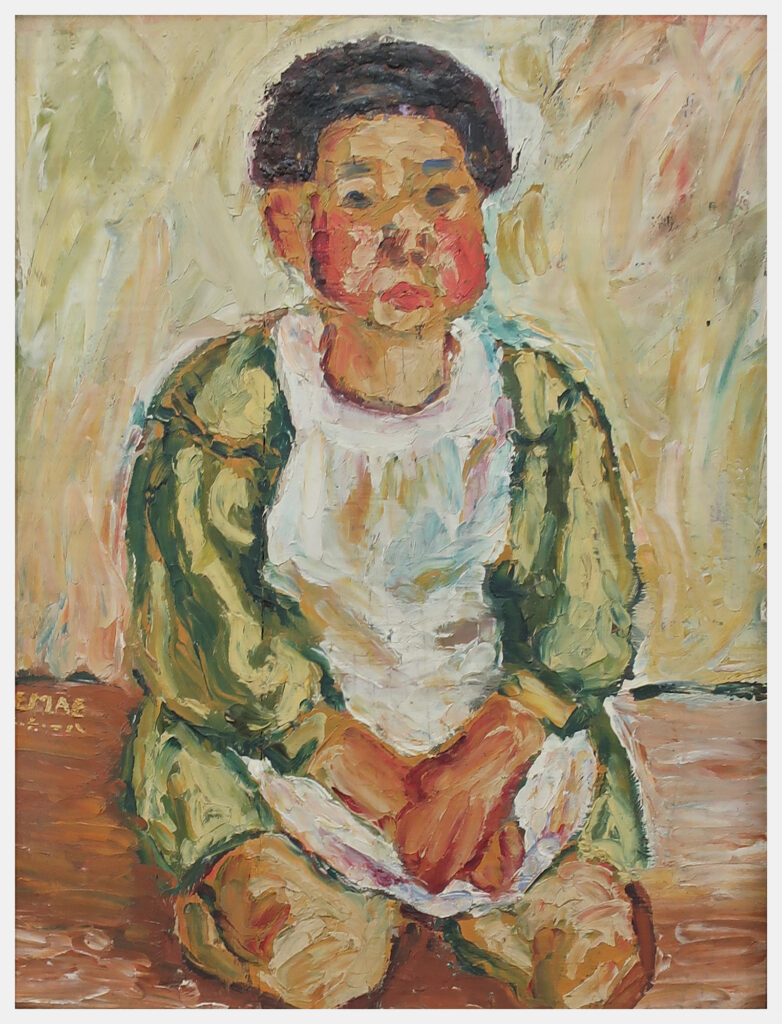
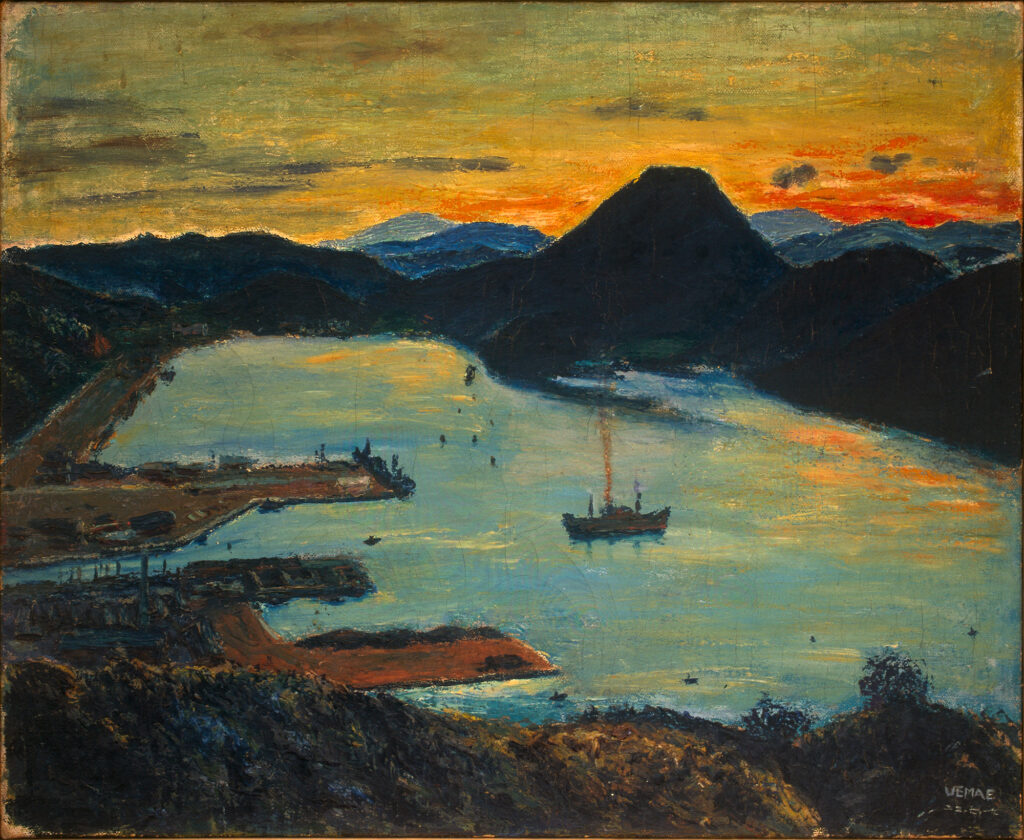
In 1942, at the age of twenty-two, after reading Bijutsu Koza (Art Lectures) by Sohachi Kimura, he began painting in oils. In 1947, his work Evening View of Maizuru Harbor was selected for the 1st Niki-kai Exhibition. That same year, he began studying under Jutaro Kuroda at the Kansai Art Institute in Kyoto.
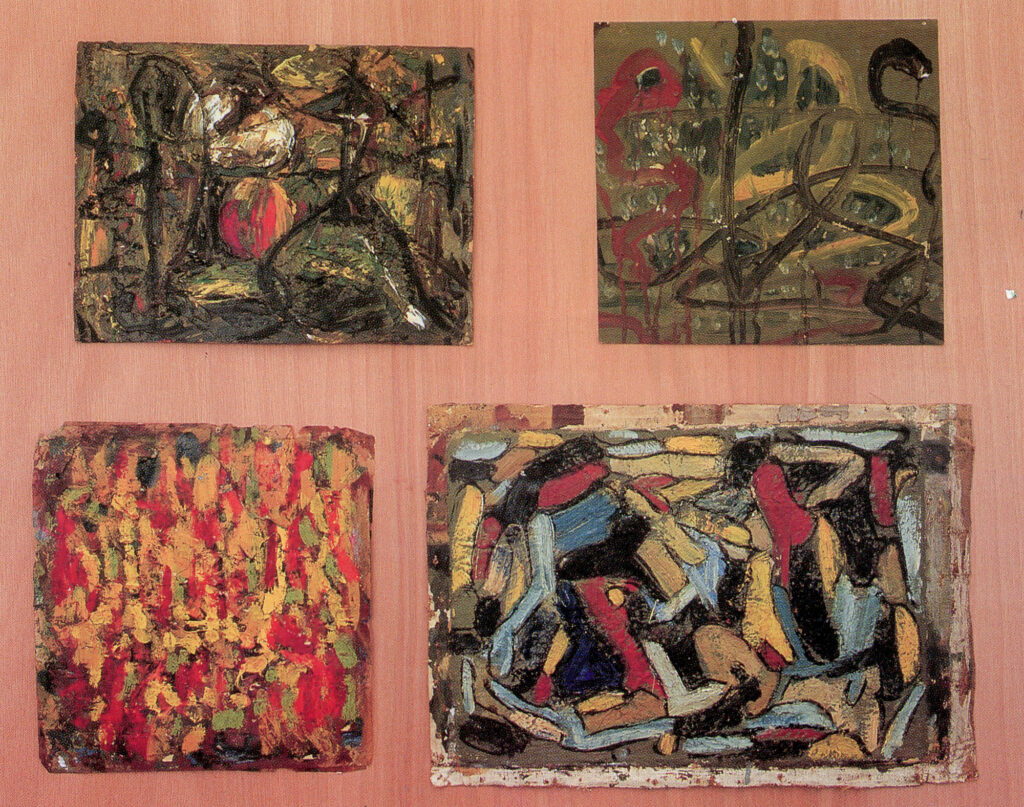
As his interest in non-representational abstraction gradually deepened, he encountered Jiro Yoshihara’s non-representational crayon works in 1952, which left a profound impression on him. The following year, he visited Yoshihara’s home and became his student. In 1954, he became a founding member of the Gutai Art Association (hereafter “Gutai”), led by Yoshihara, and remained a member until its dissolution in 1972.
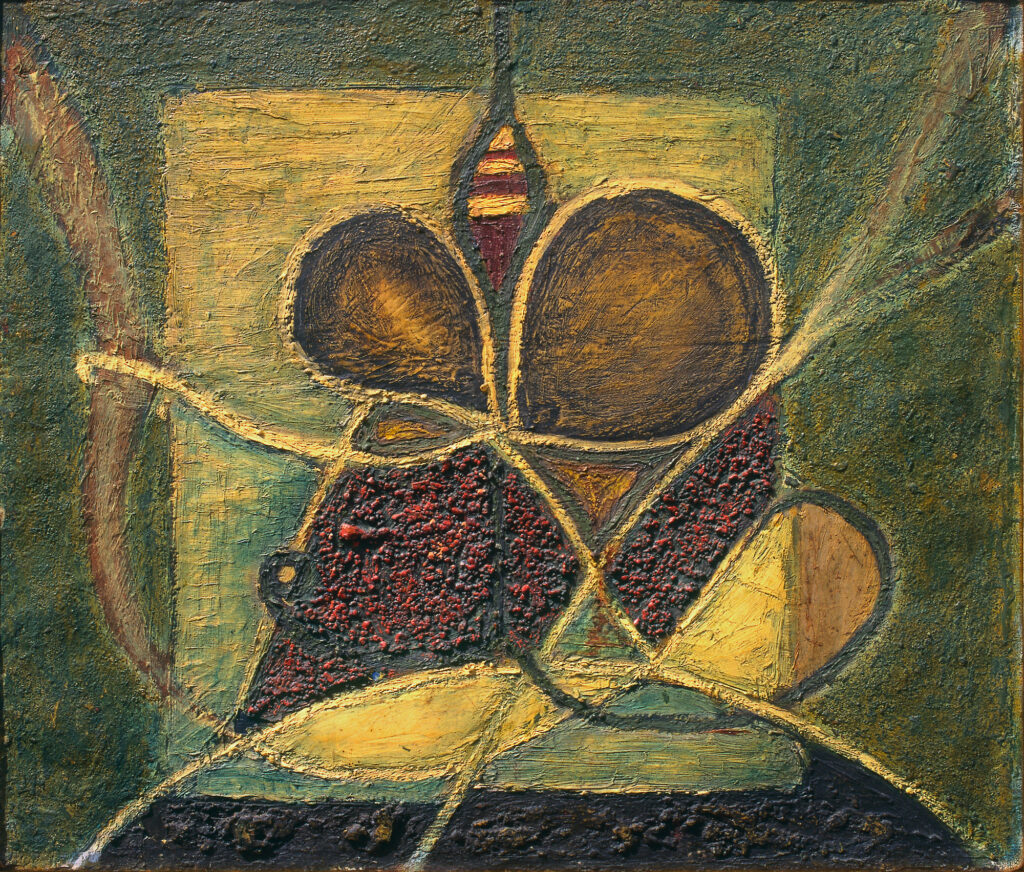
Following his encounter with Yoshihara, Uemae moved away from figurative painting based on the depiction of objects and turned toward a non-representational practice that emphasized the structure and materiality of painting itself. This approach remained central to his artistic practice throughout his life.
Selected Works (*Click or tap images to enlarge.)
(2) 1954–1972|Gutai Period: Dots, Lines, and Matchstick Works
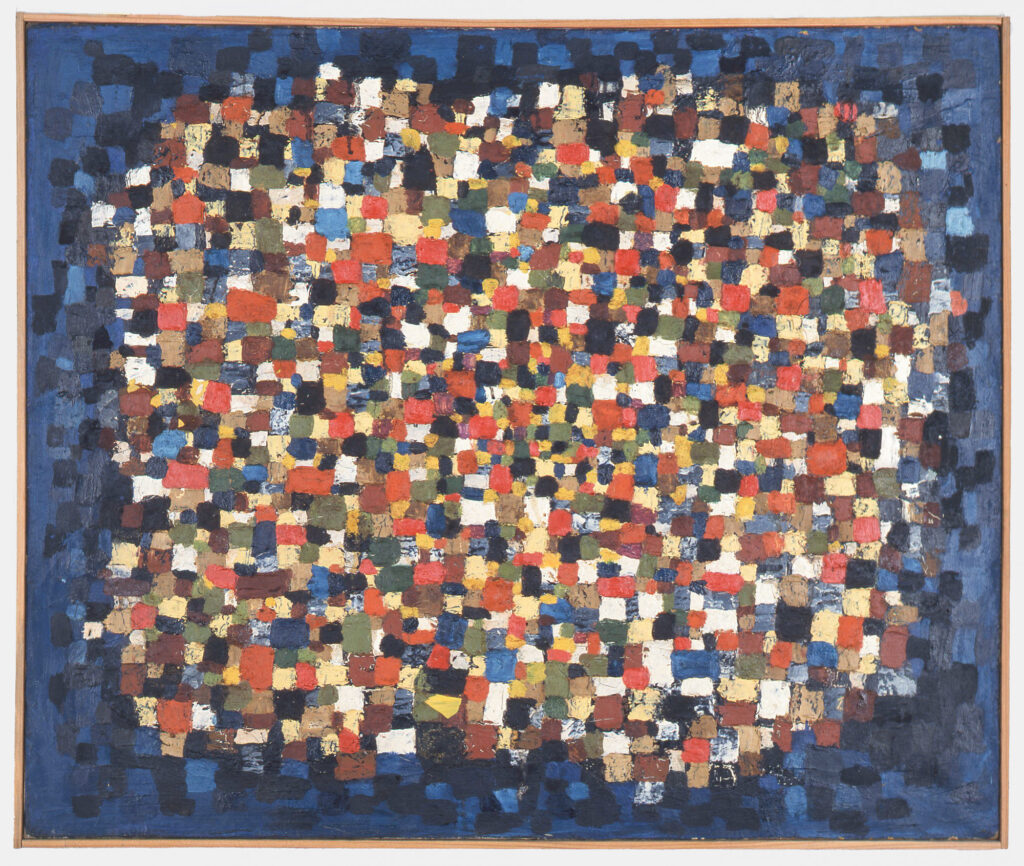
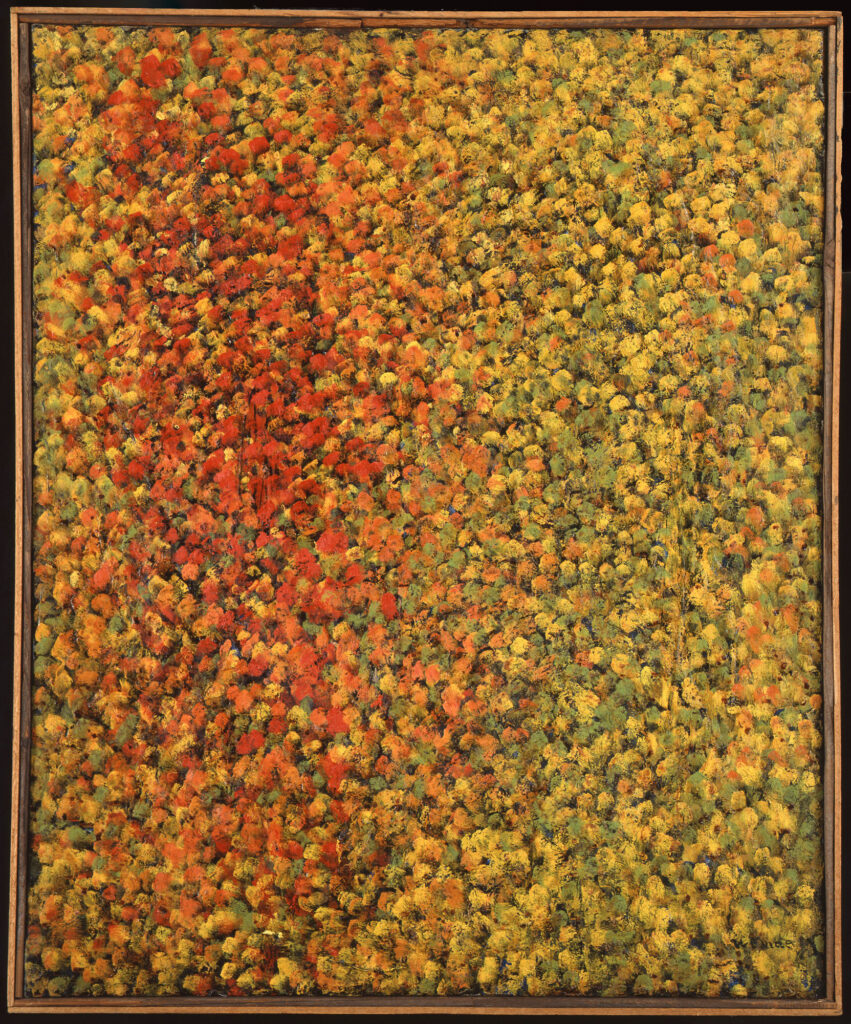
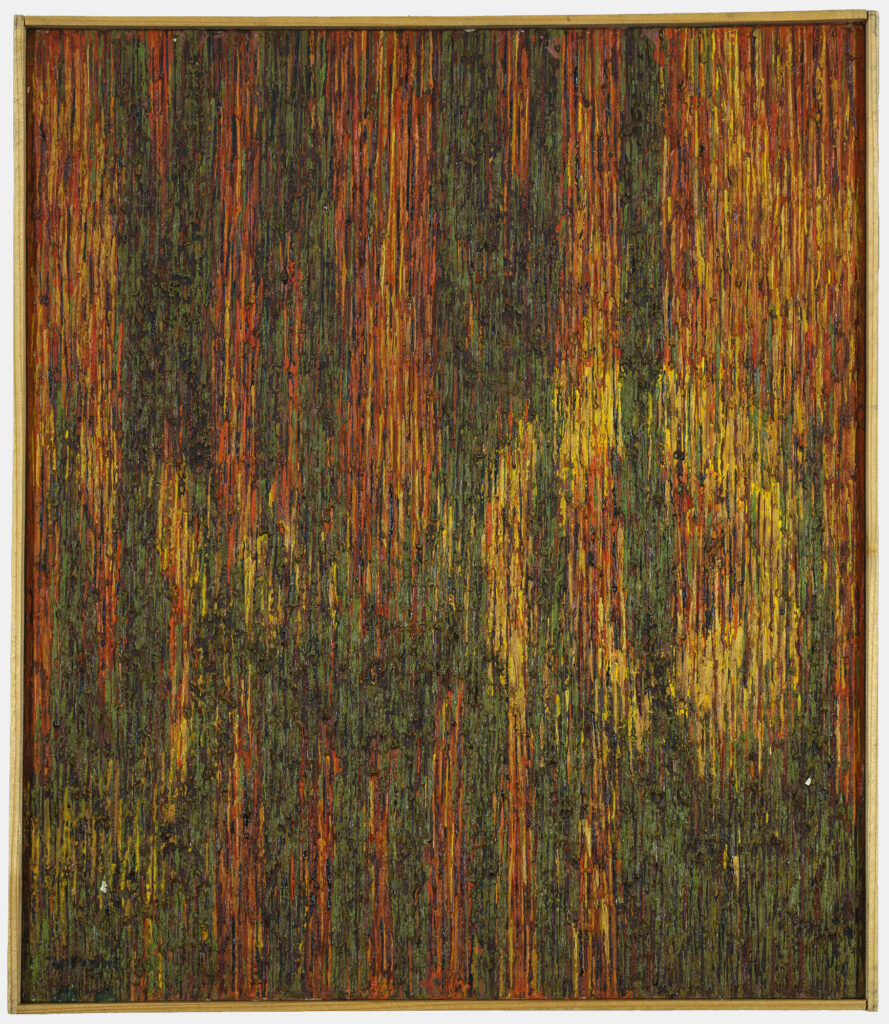
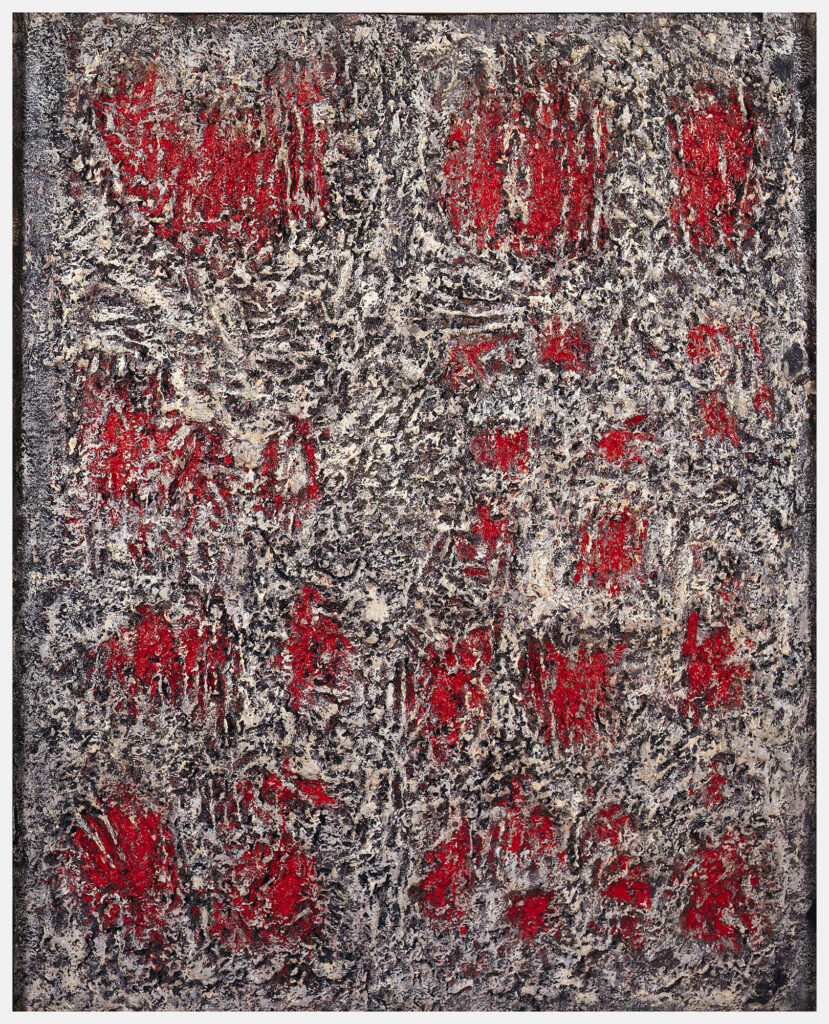
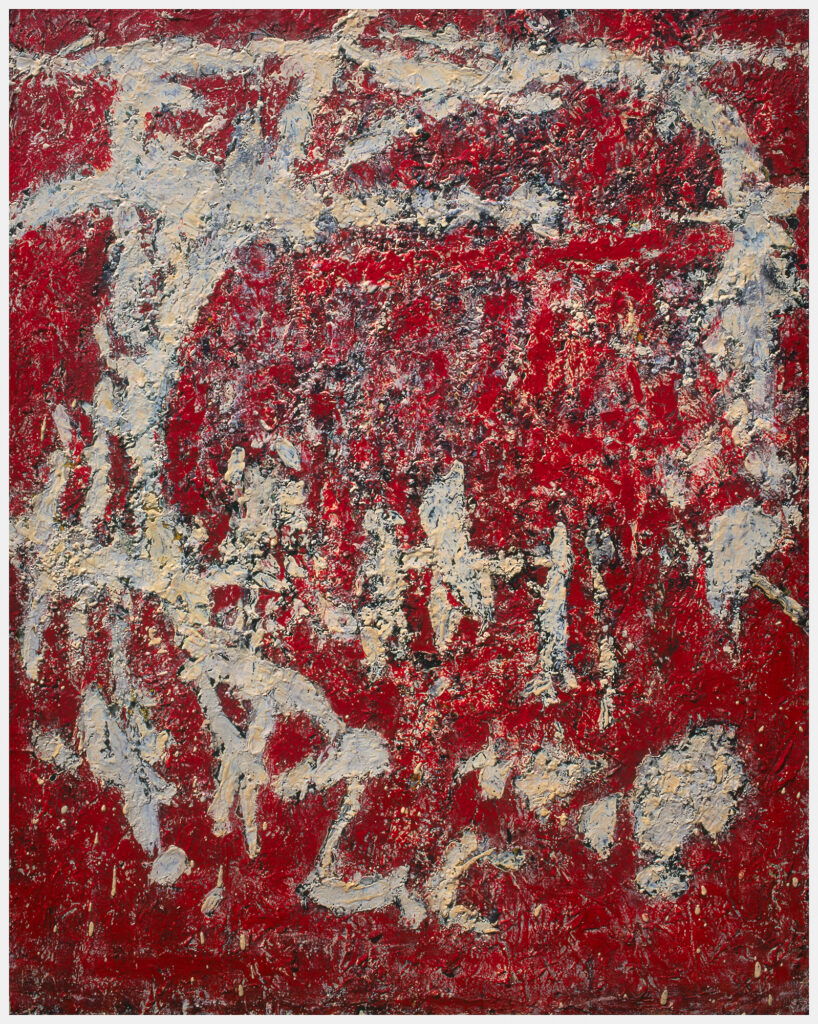
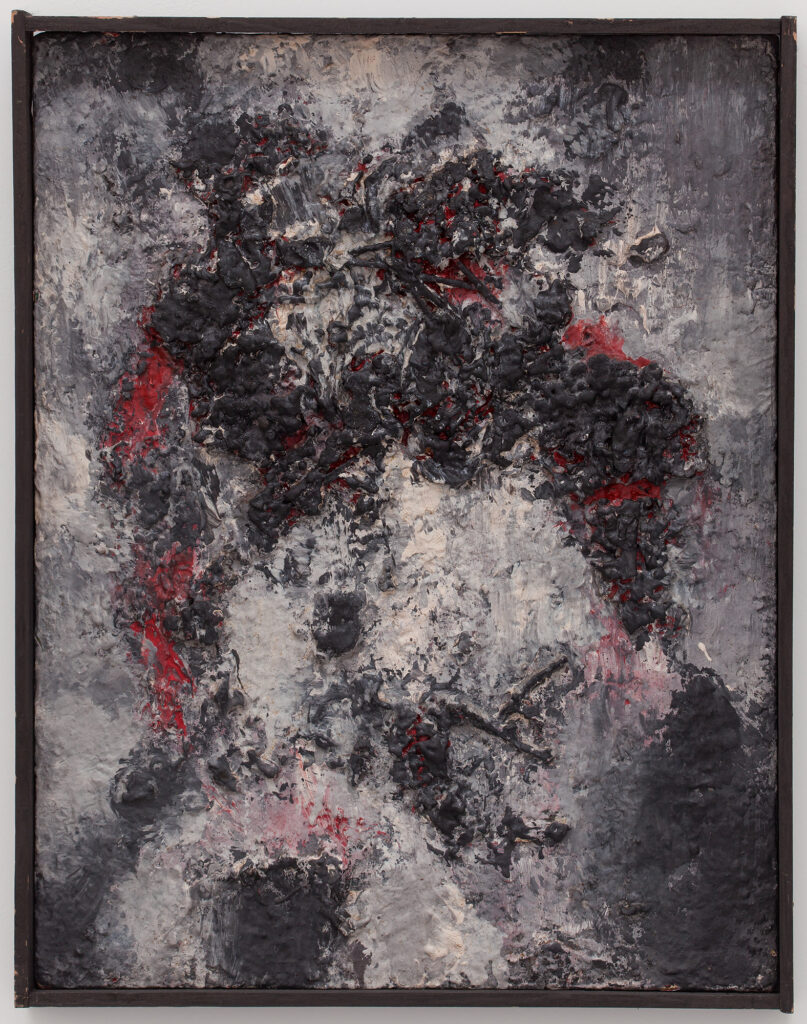
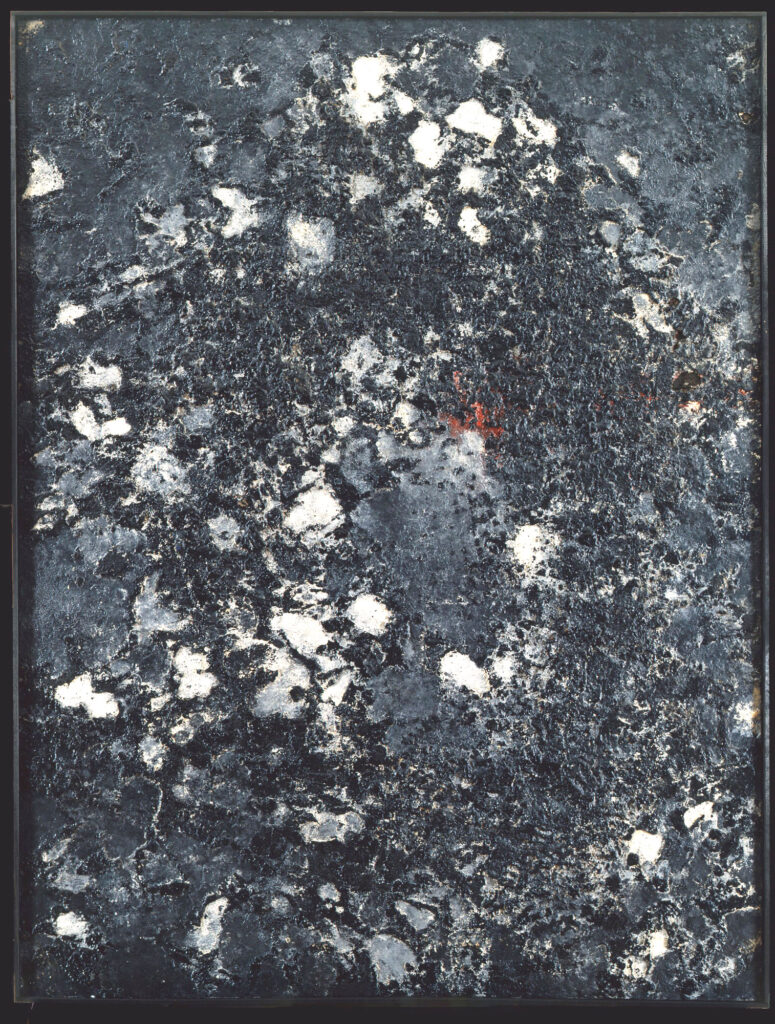
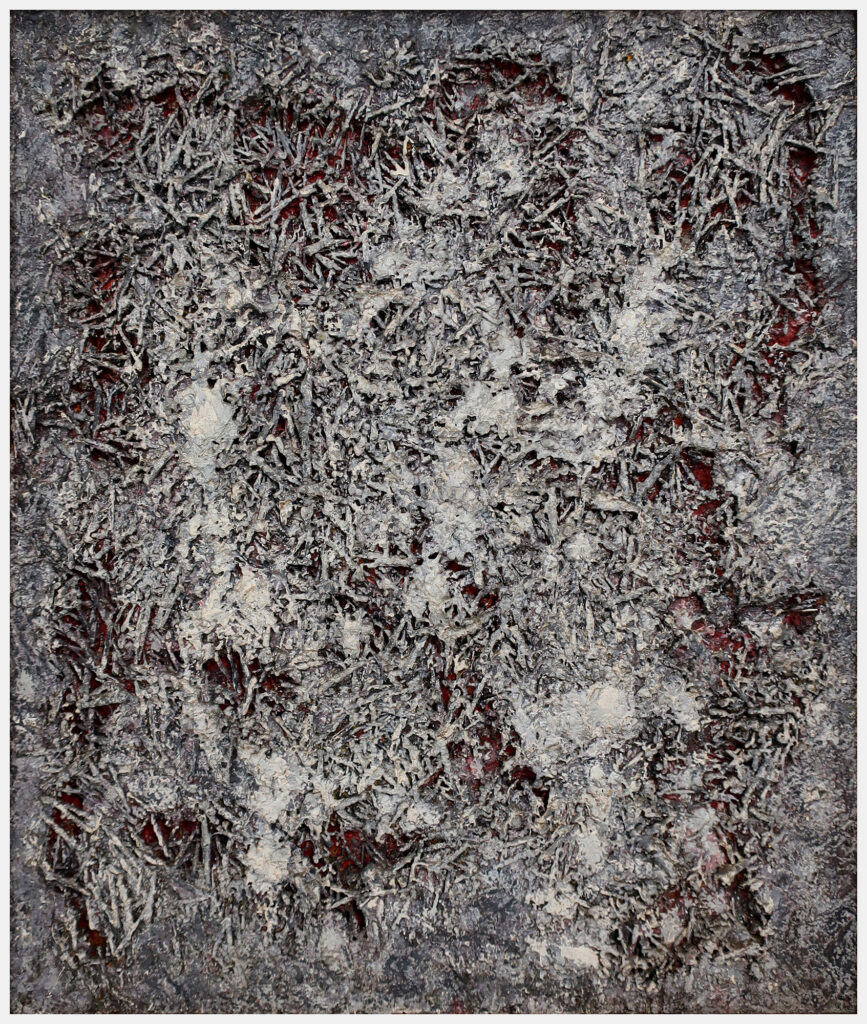
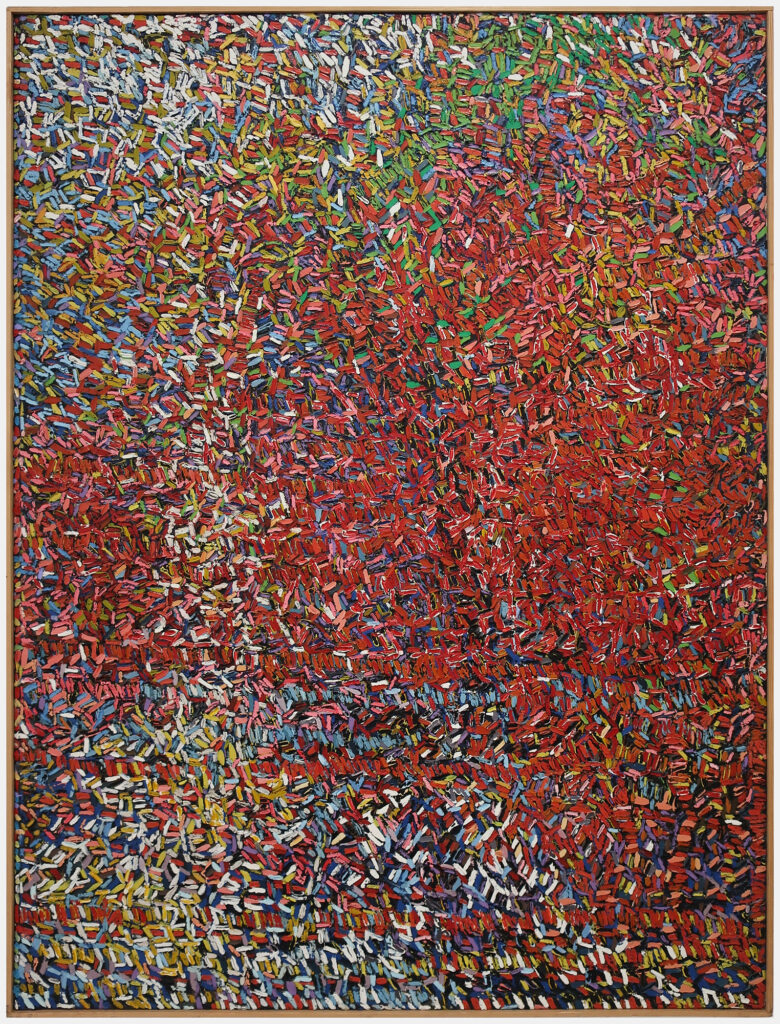
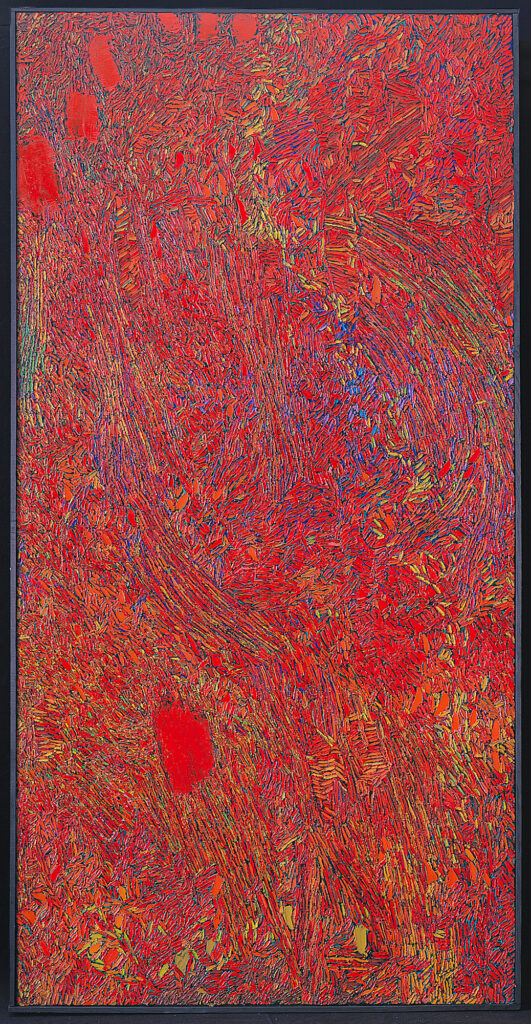
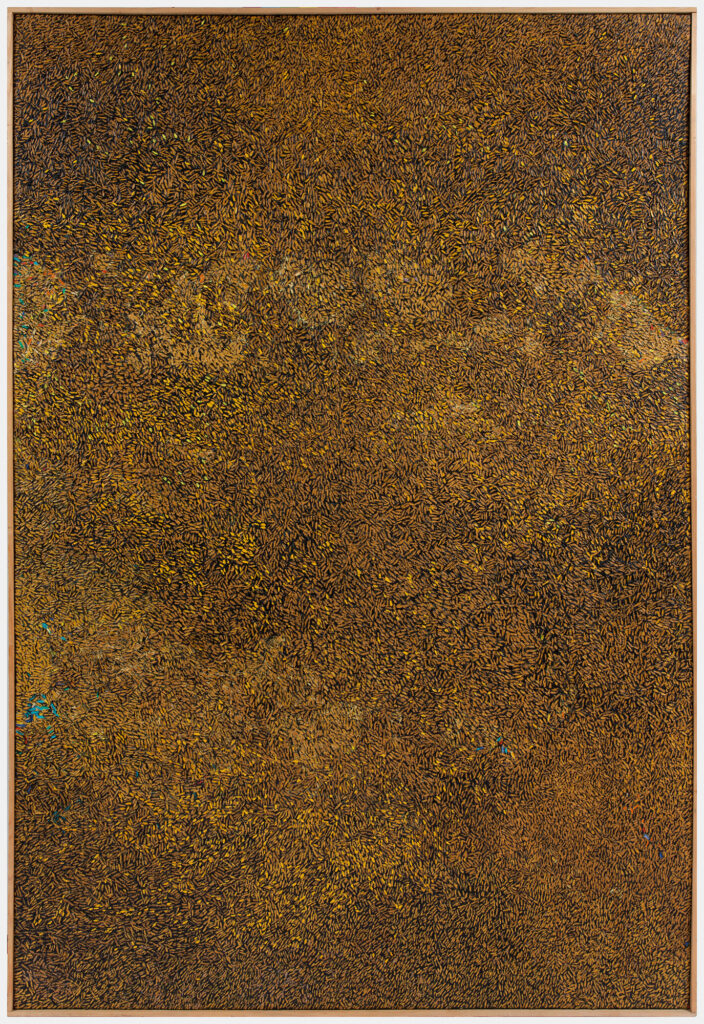
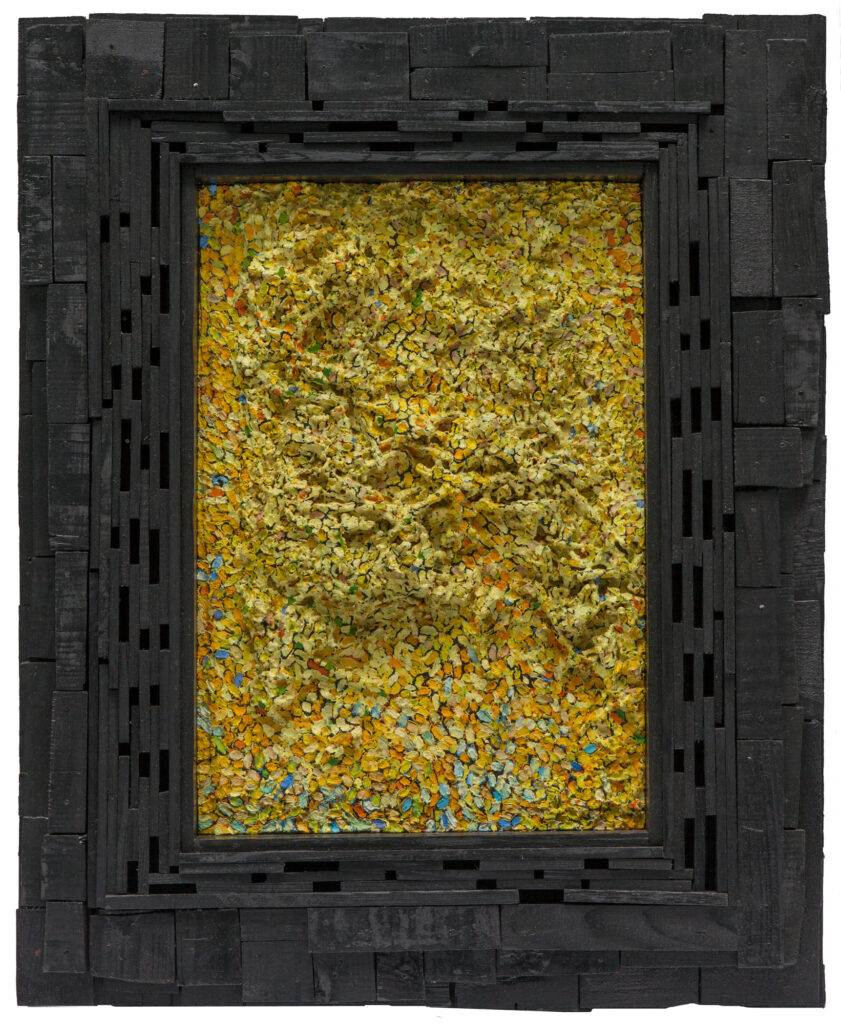
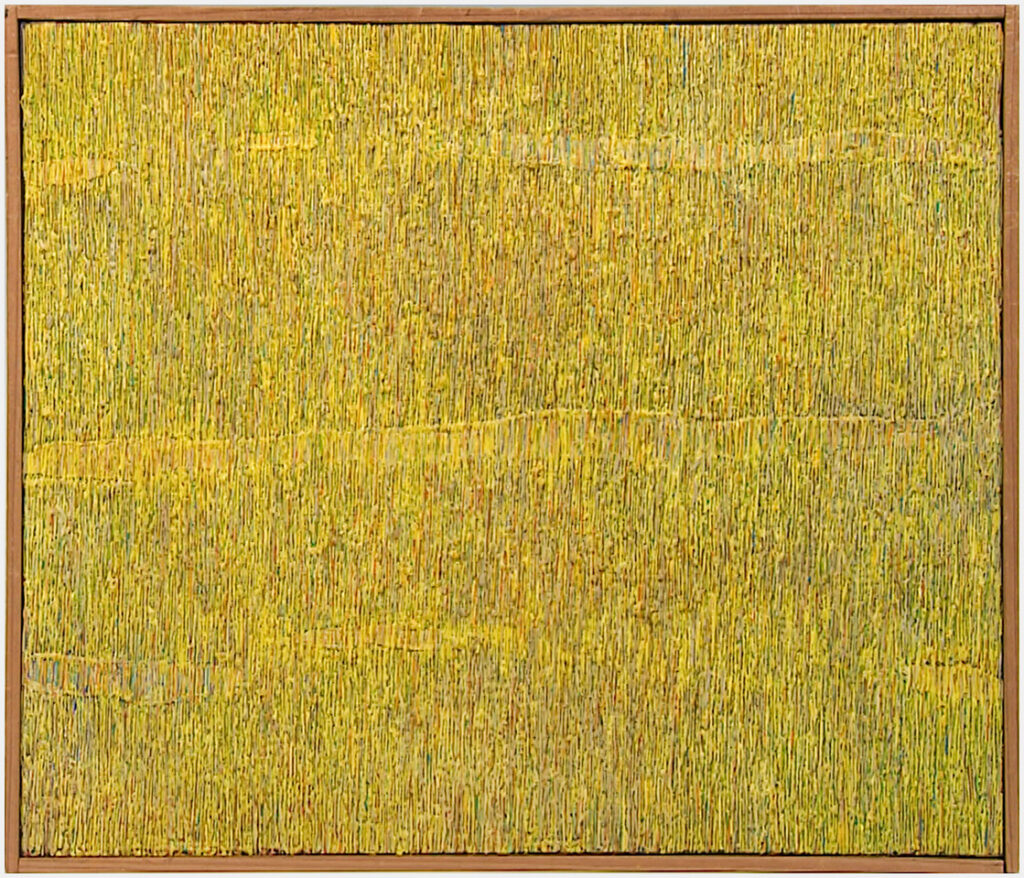
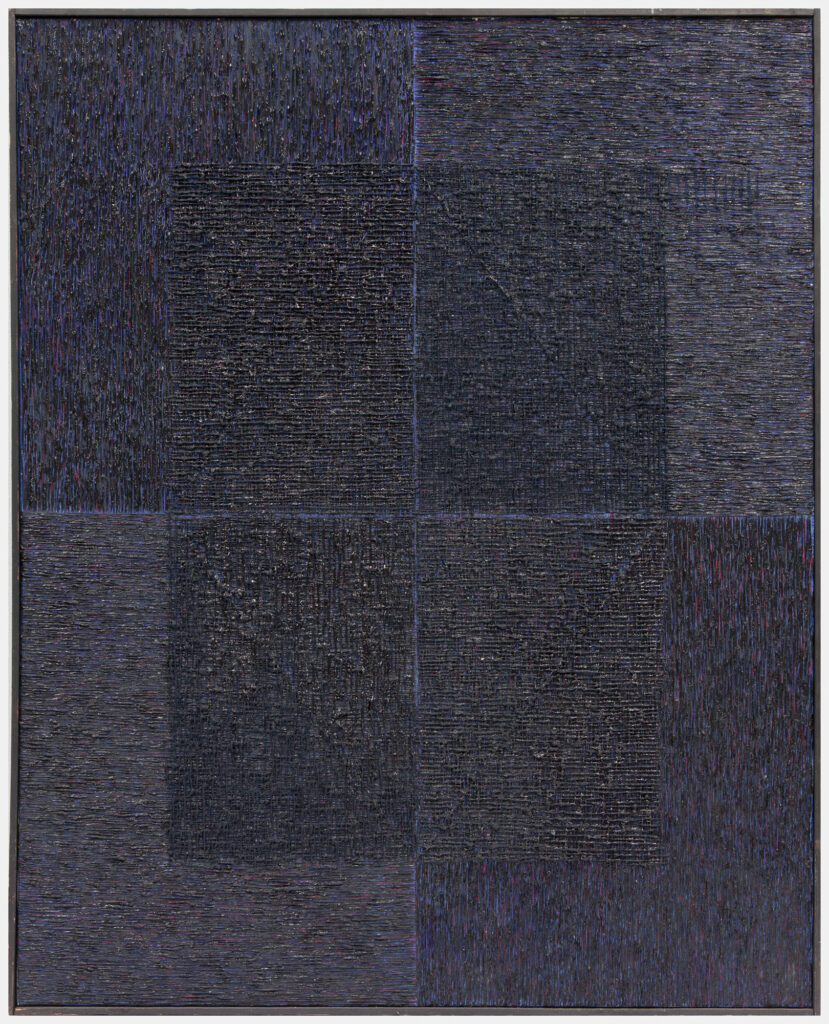
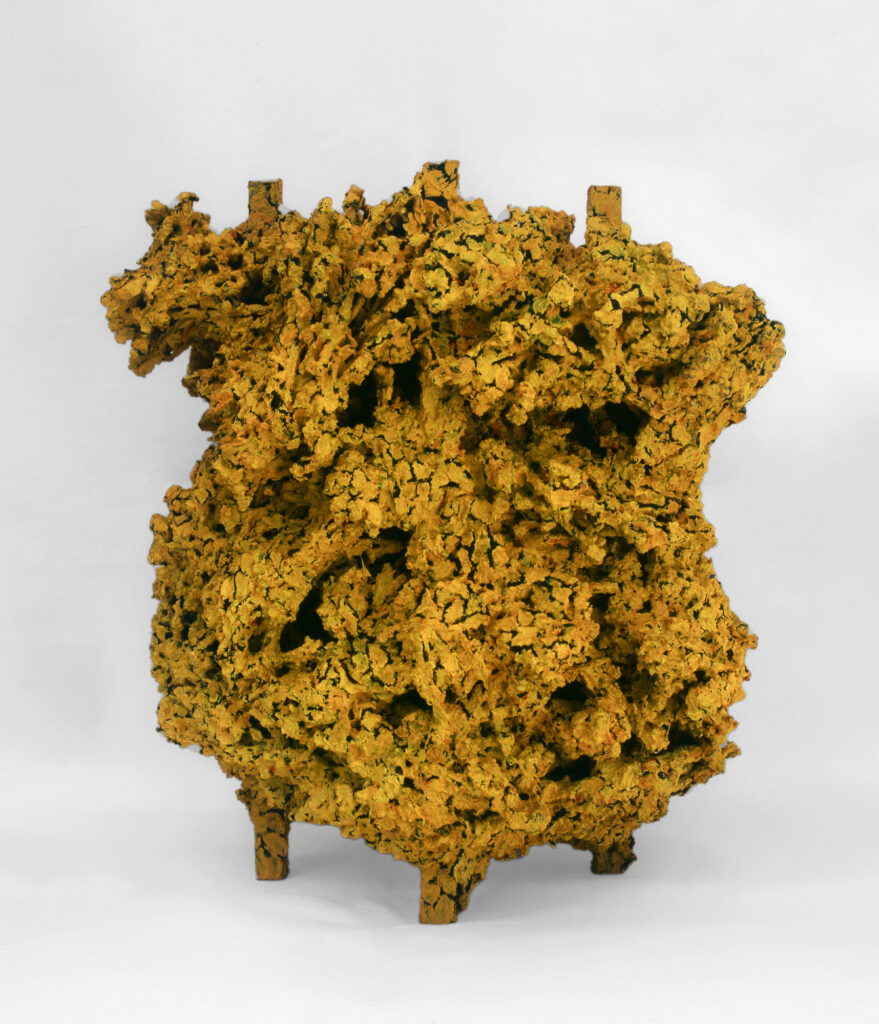
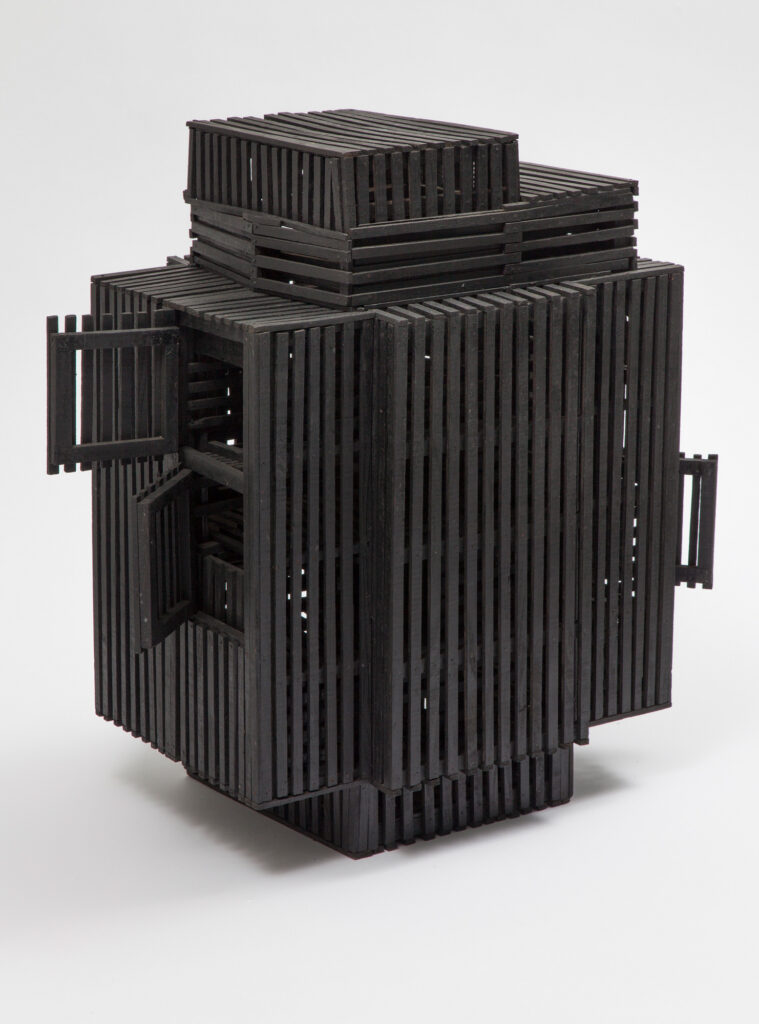
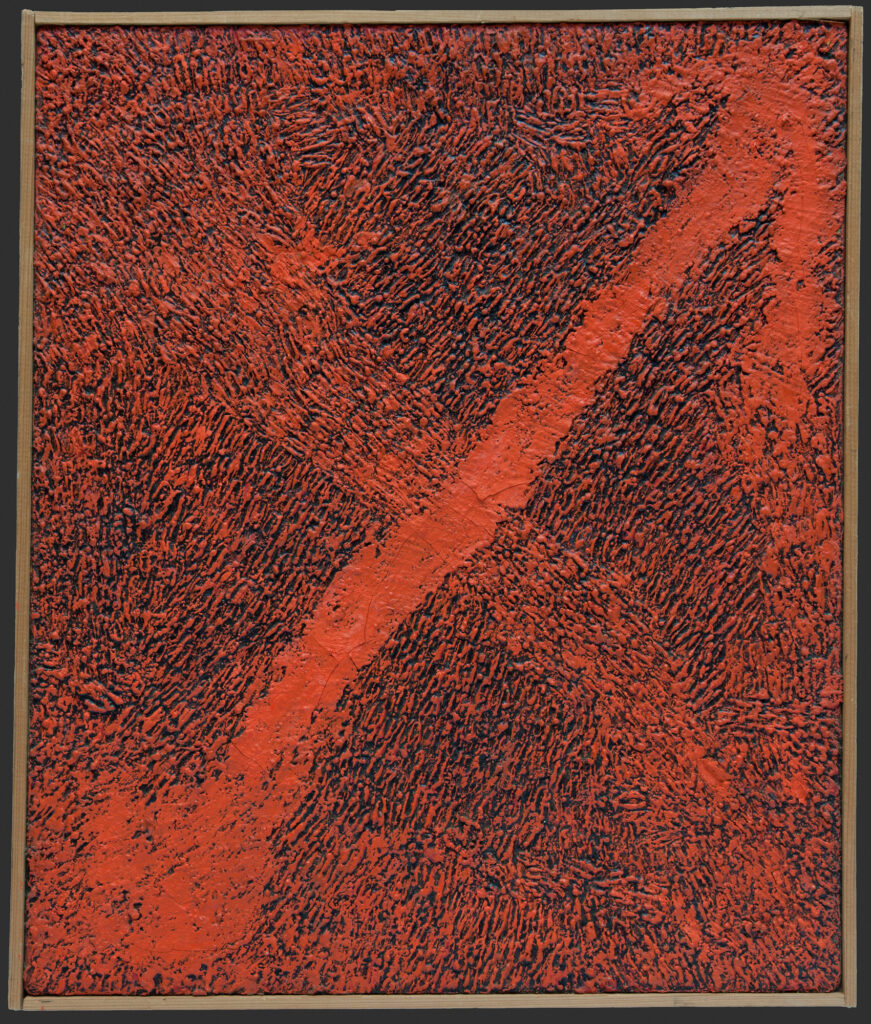
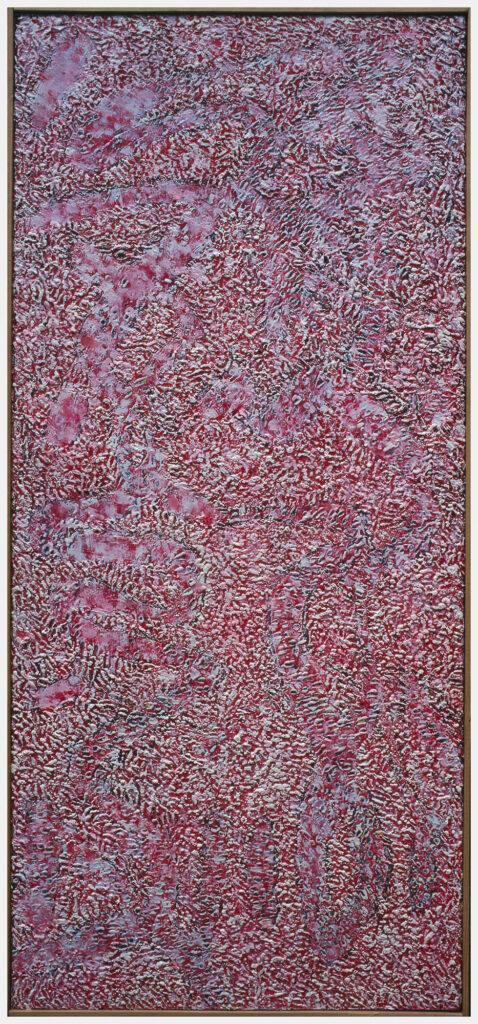
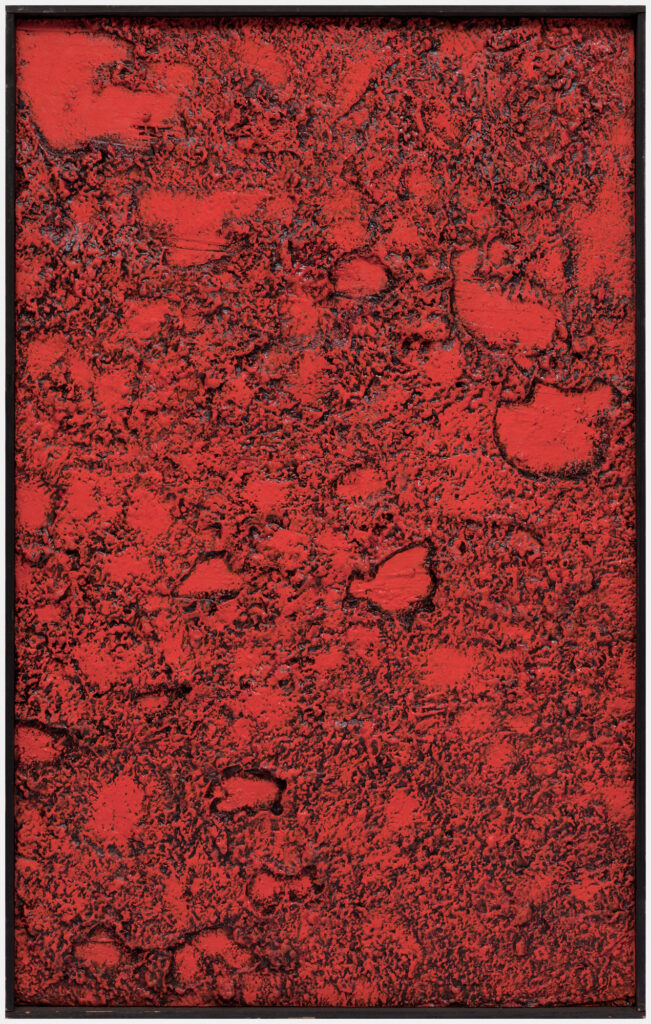
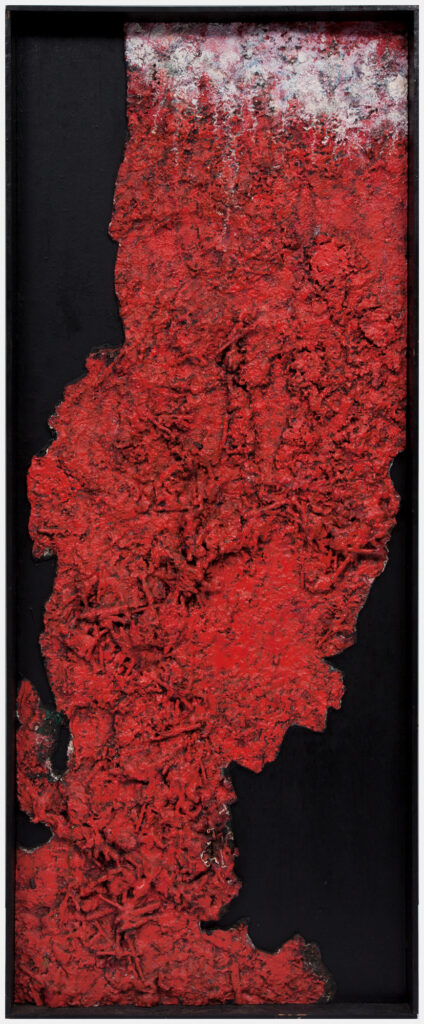
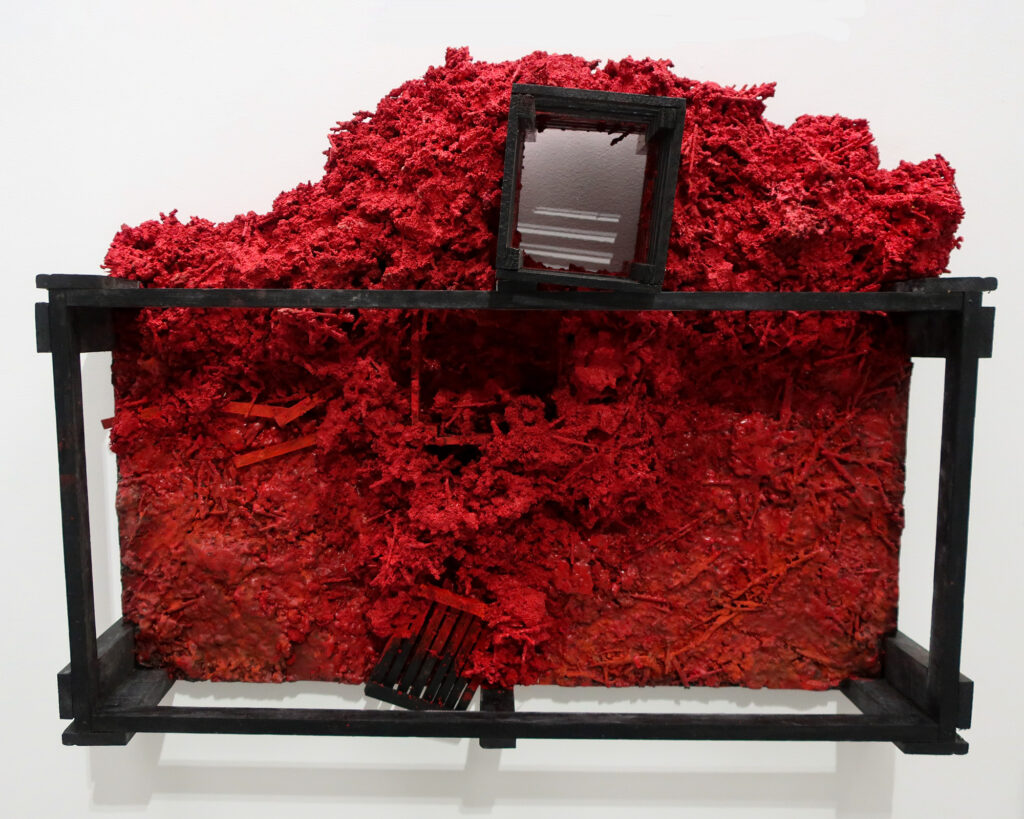
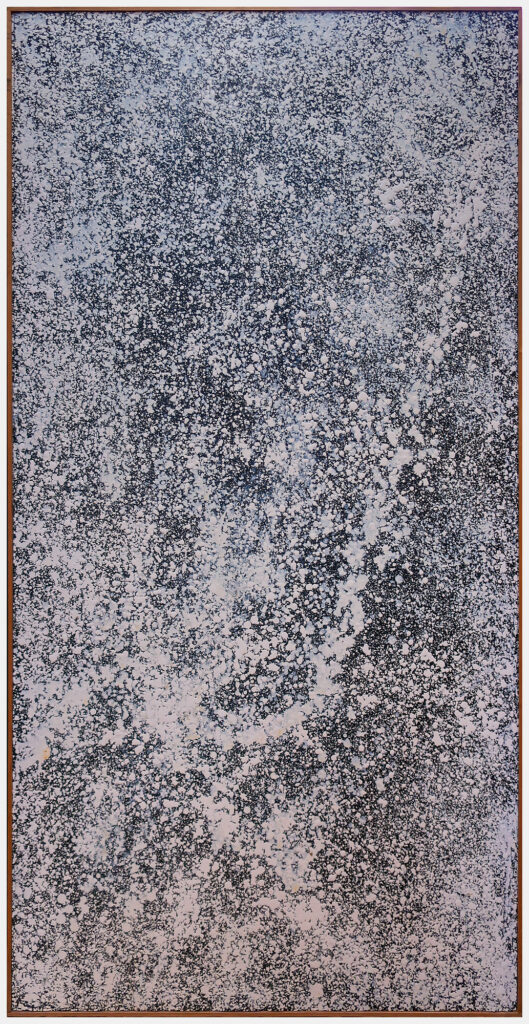
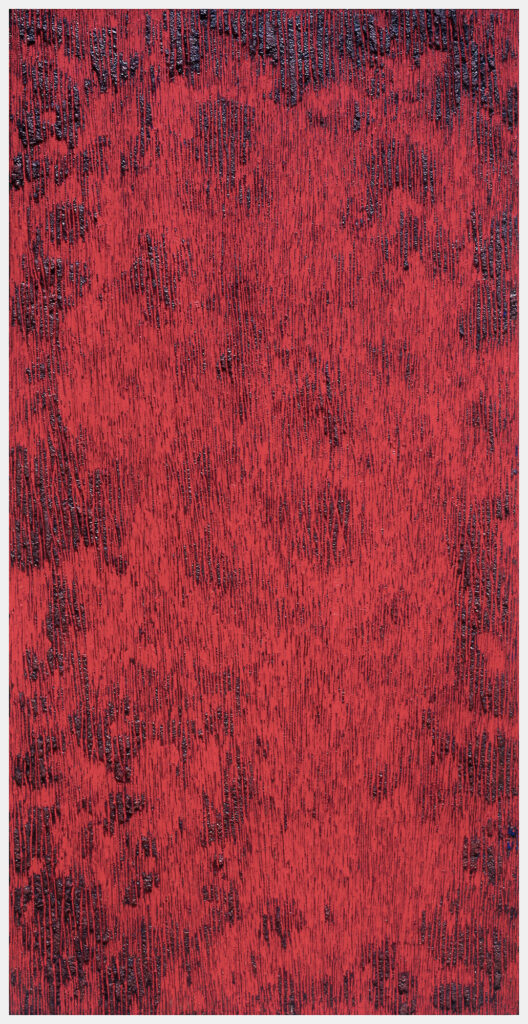
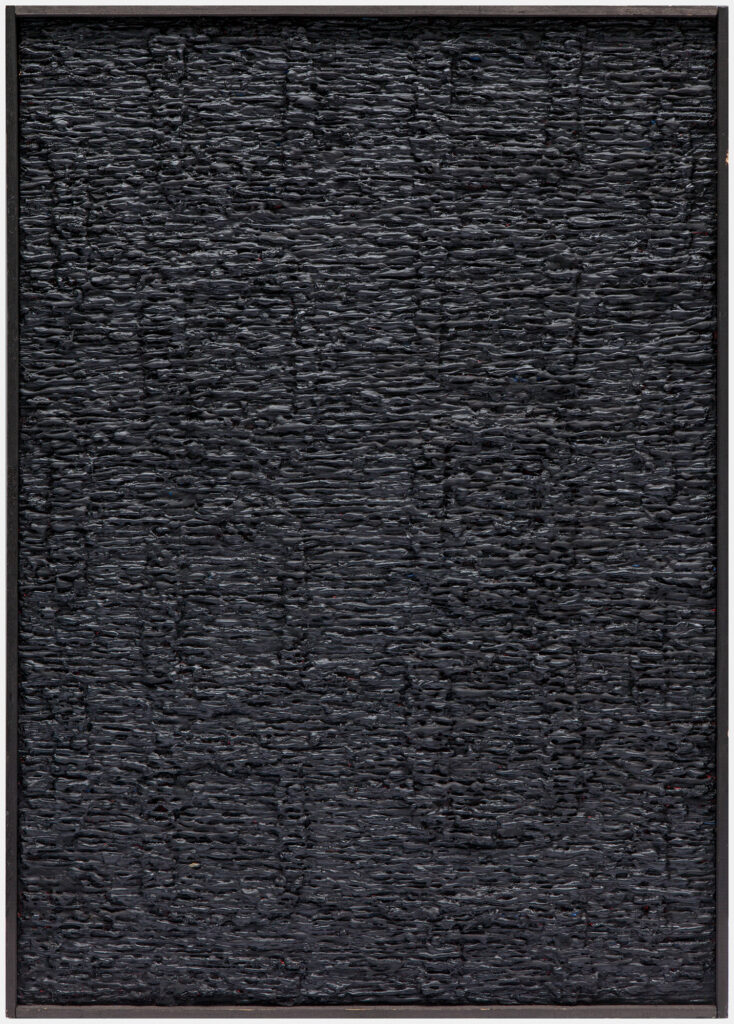
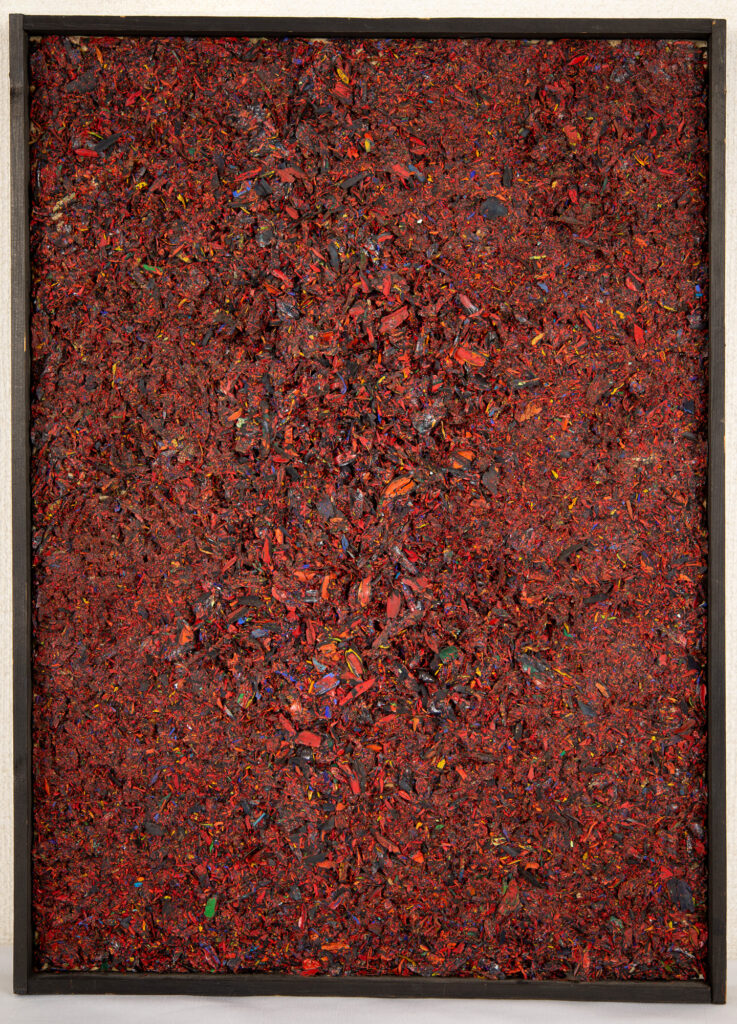
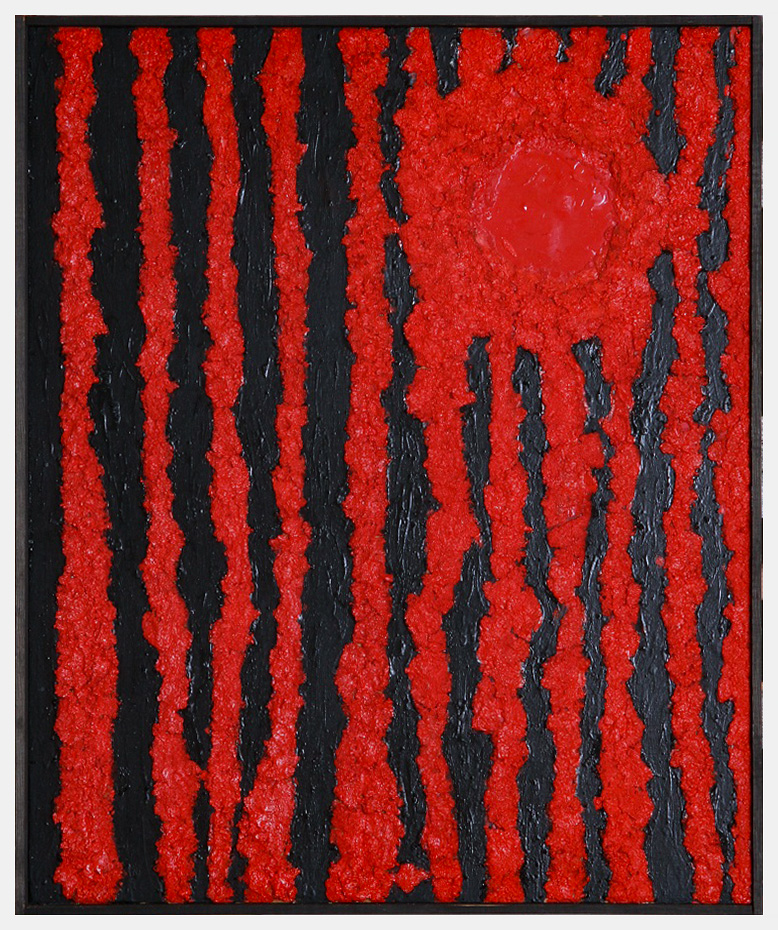
During his years with Gutai, Uemae developed several characteristic techniques: oil paintings of “dots” built up through multiple layers of paint, oil paintings of “lines” incised with a palette knife, and mixed-media works incorporating familiar materials such as sawdust, matchsticks, and paint caps. Through these approaches, he pursued a form of expression that emphasized the materiality of his media. At the same time, he continued to present his work in the Modern Art Exhibition (1954–1971).
Within Gutai—where immediate, action-based expression often attracted attention—Uemae was a highly distinctive presence. His practice was grounded in labor-intensive processes centered on repetition and accumulation. For Uemae, action was not a fleeting event but the sustained accumulation of manual labor, and the pictorial surface bore the traces of repeated interventions upon matter. His work can be understood as an attempt to inscribe time into the pictorial surface through repetition and accumulation.
Jiro Yoshihara is said to have encouraged members to reject imitation and pursue expressions that had never existed before. His Gutai Art Manifesto, published in the December 1956 issue of Geijutsu Shincho, includes the following passage:
“In Gutai art, the human spirit and matter shake hands while keeping their distance.”
Uemae’s artistic attitude may be seen as a profound embodiment of this principle.
Michel Tapié, the French critic who introduced the concept of Art Informel and was instrumental in shaping postwar avant-garde art, highly praised Uemae’s work in The International Art of a New Era: Informel and Gutai, an exhibition he co-organized with Jiro Yoshihara.
A distinctive method based on repetition and accumulation—instantly recognizable as uniquely Uemae’s own—took shape during this period.
Selected Works
(3) From 1972|Diversification of Artistic Practice
After the dissolution of Gutai, Uemae’s practice expanded into multiple modes of expression, with distinct bodies of work developing in parallel. In the early 1990s, the emphasis shifted from material expressions grounded in the accumulation of manual labor to pictorial compositions based on the arrangement of color and form.
The following sections examine these developments individually.
(3.1) Practices from the Gutai Period (1972–late 1990s)
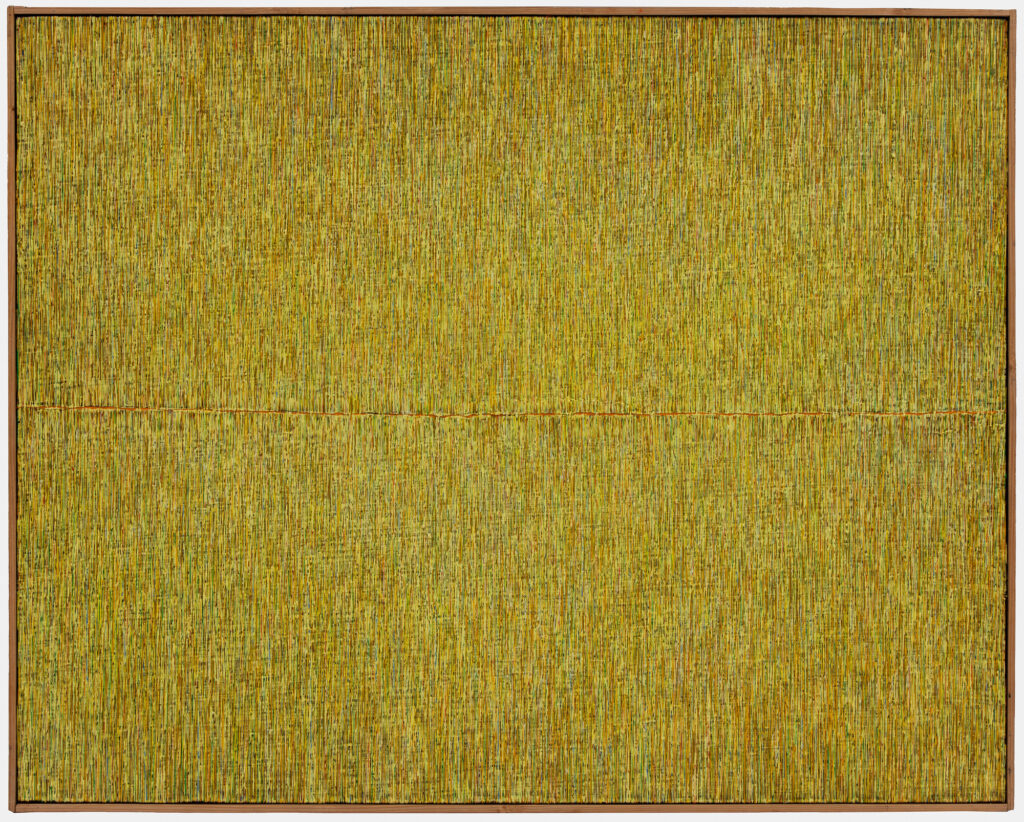
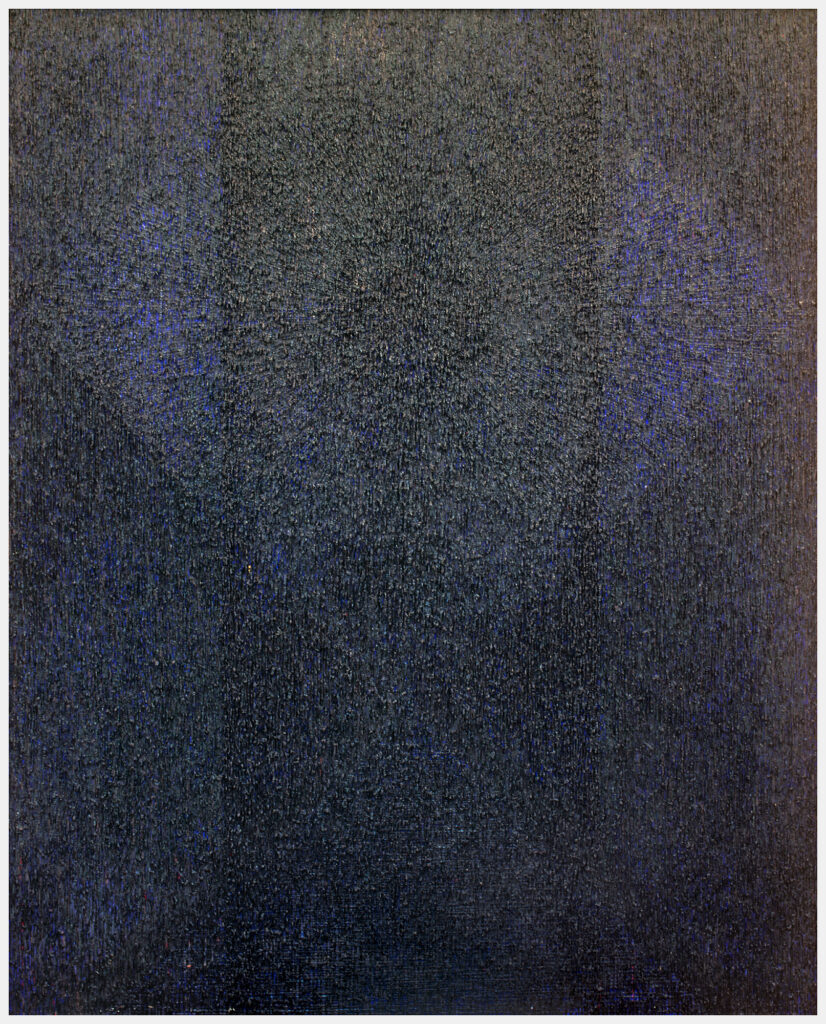
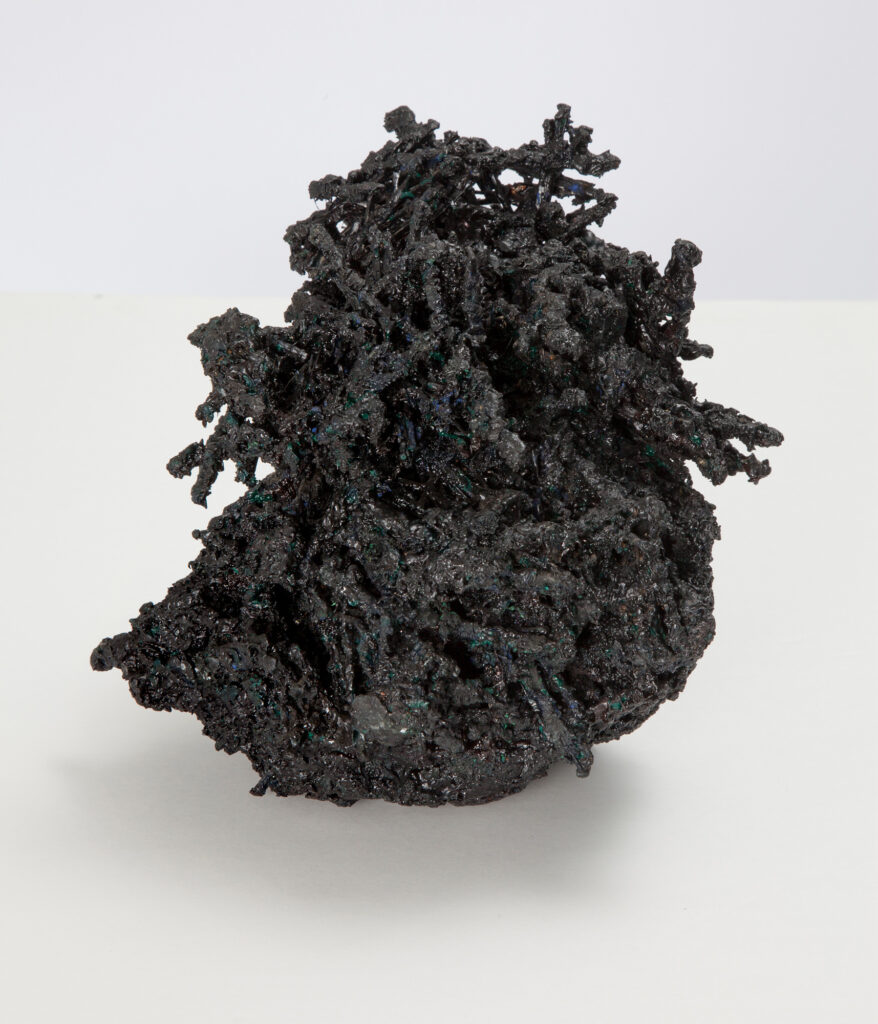
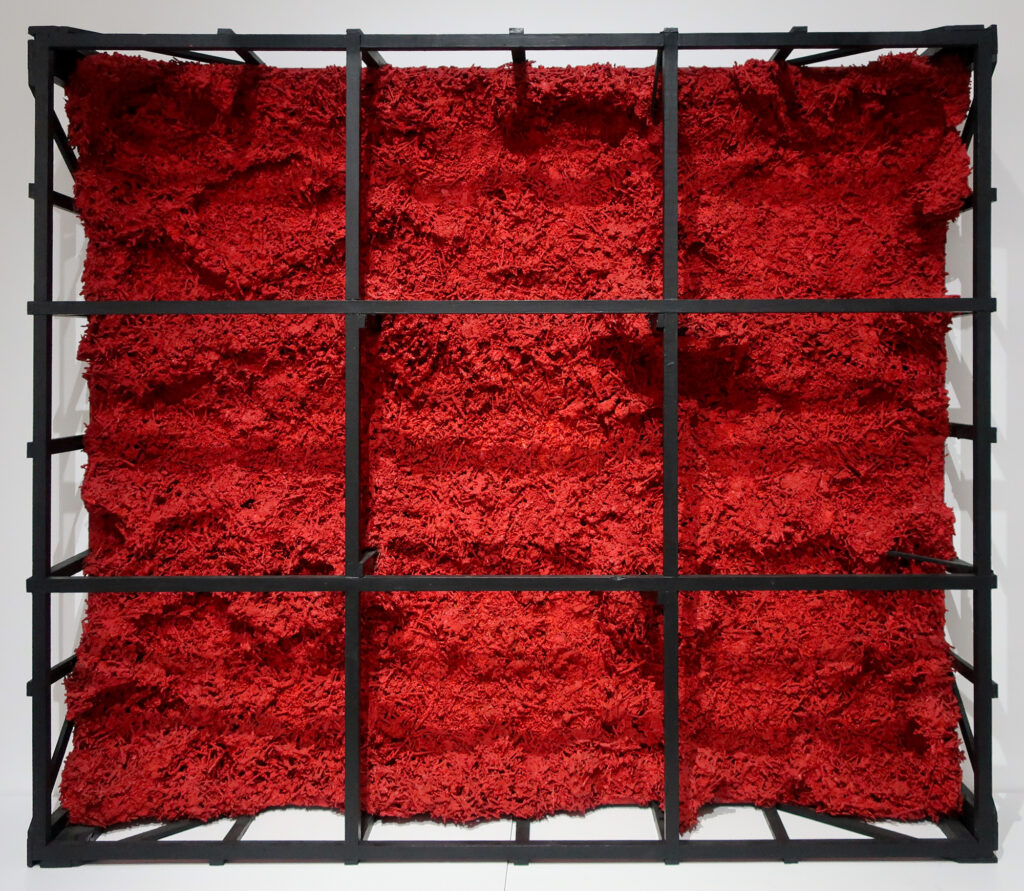
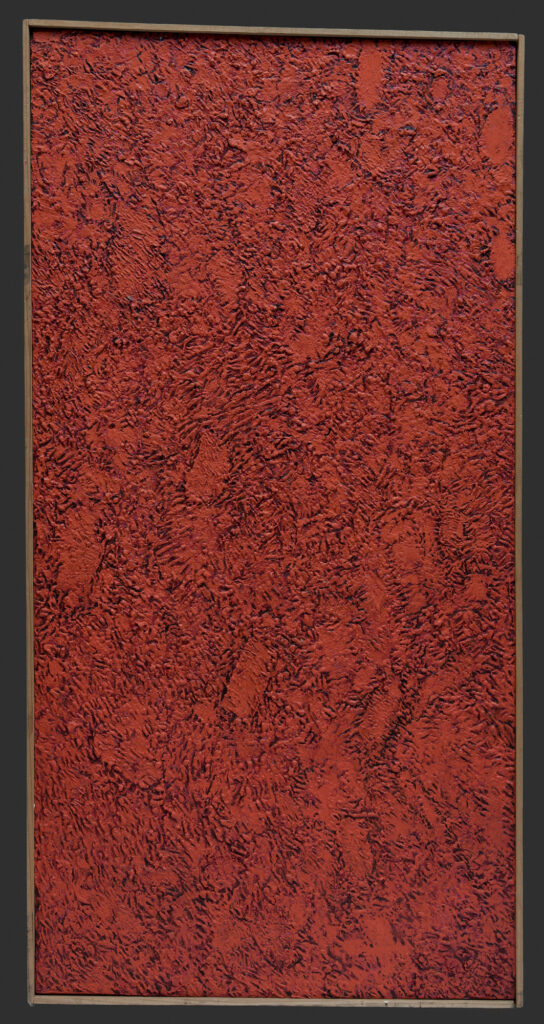
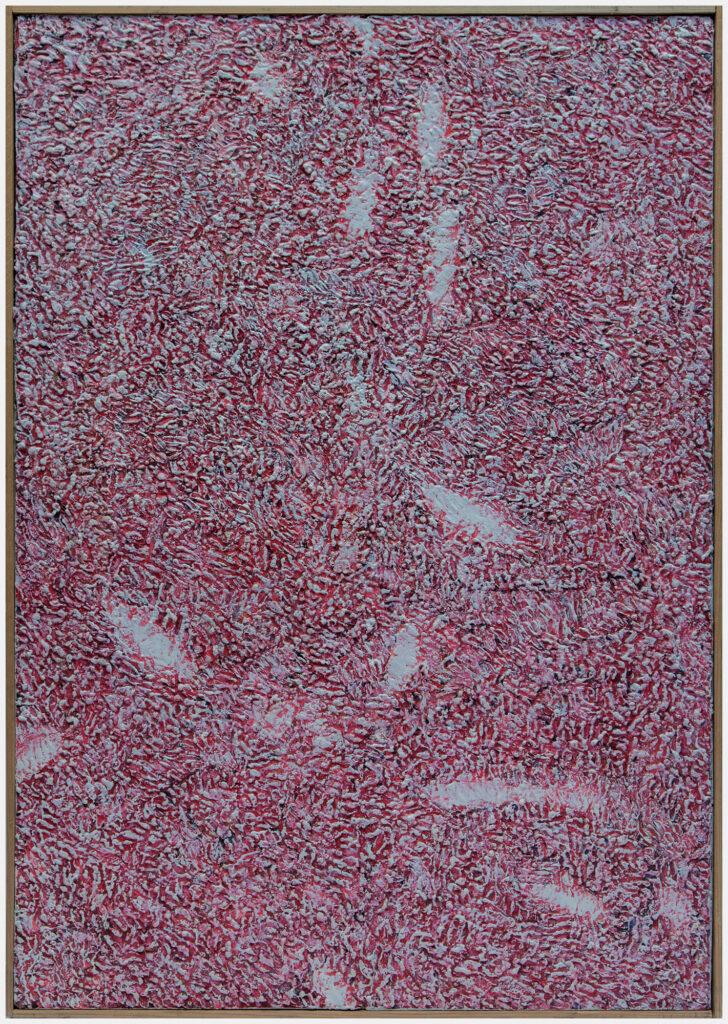
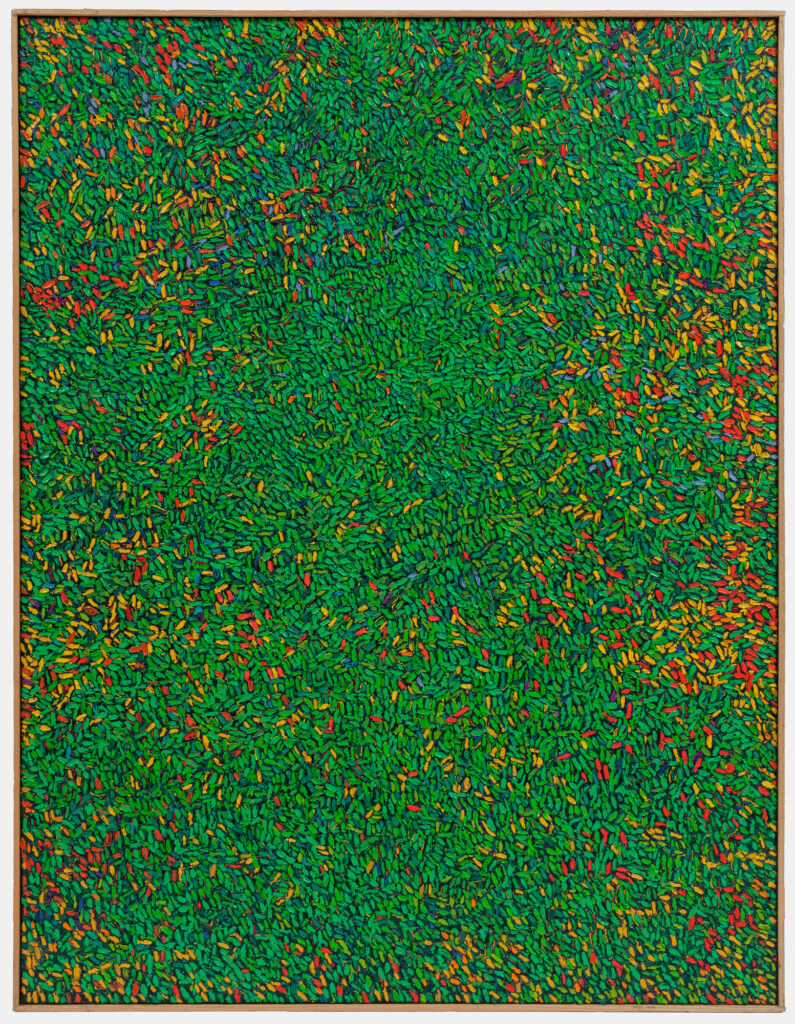
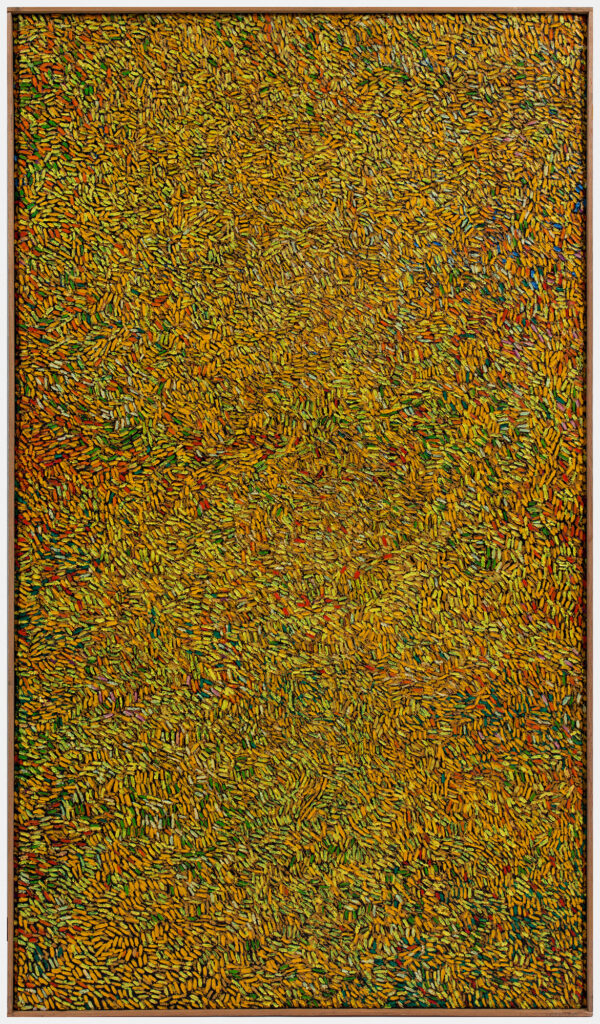
The techniques cultivated during the Gutai period—oil paintings of “dots” built up through multiple layers of paint, “lines” incised with a palette knife, and mixed-media works using materials such as sawdust and matchsticks—continued to be produced after the dissolution of Gutai. These approaches were further refined and remained an important part of Uemae’s practice through the late 1990s.
After Gutai’s dissolution, Uemae participated in Artist Union (AU, 1975–1983) and the Ge Exhibition (1976–2002), where he continued to present his work.
Selected Works
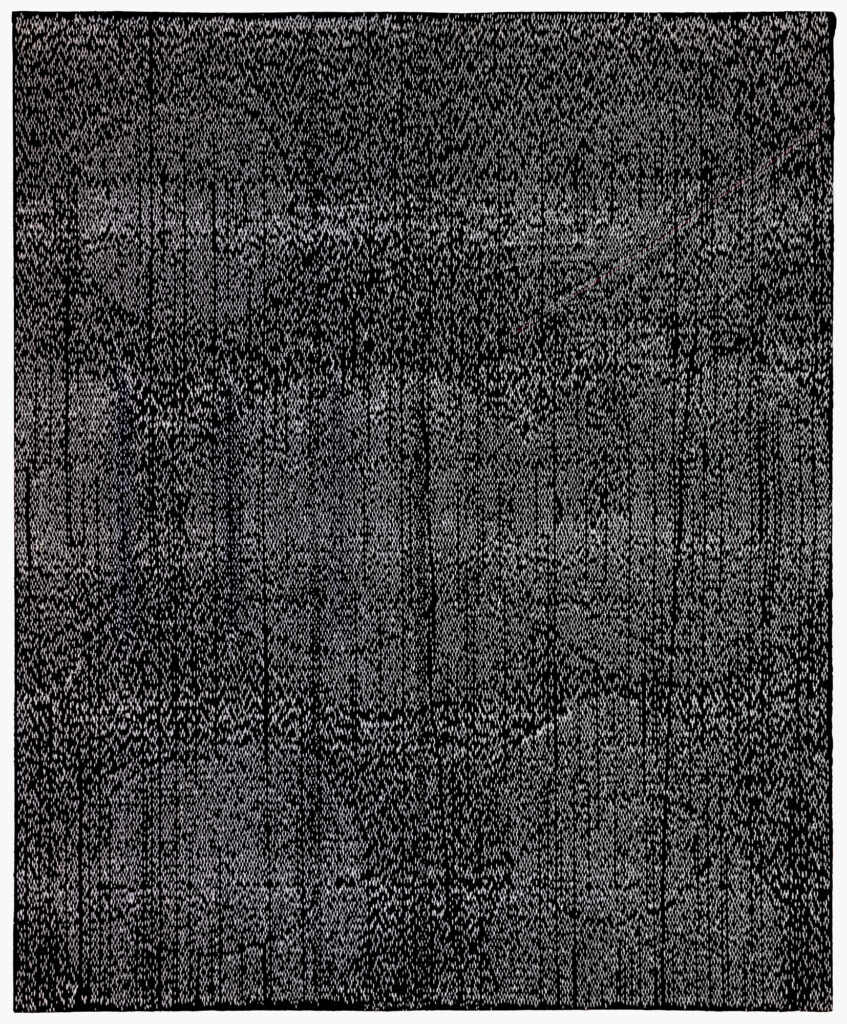
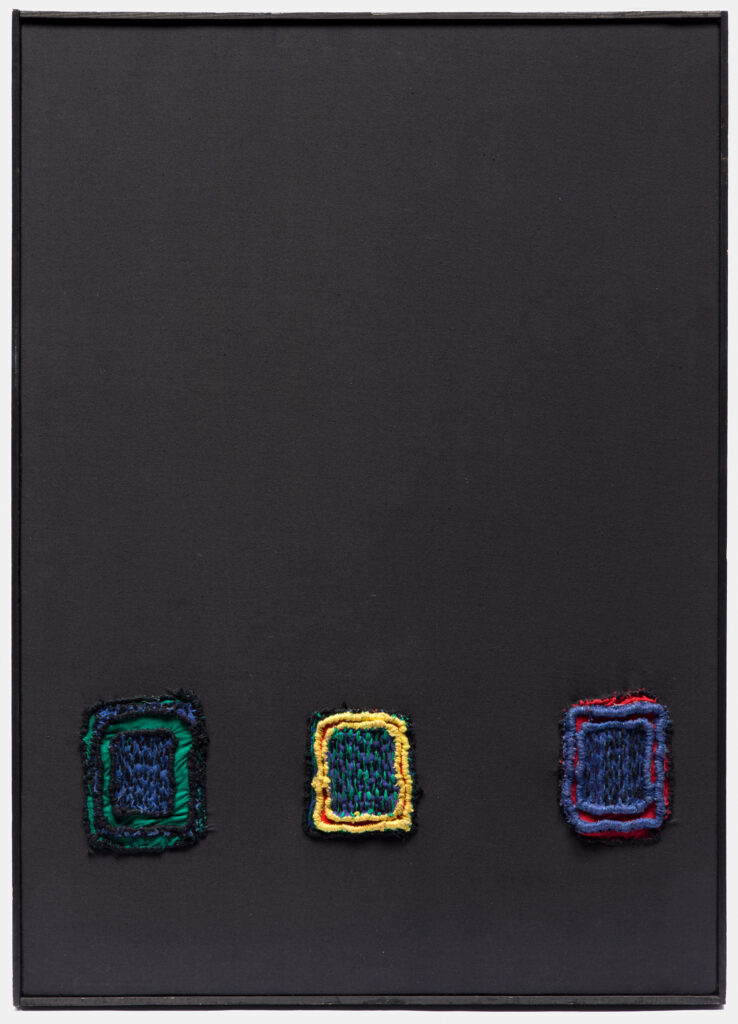
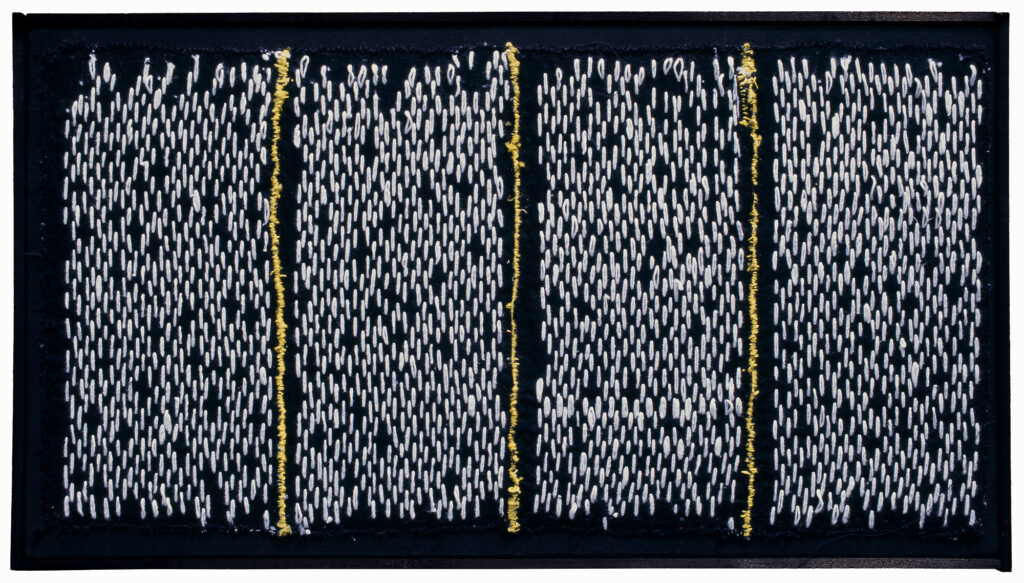
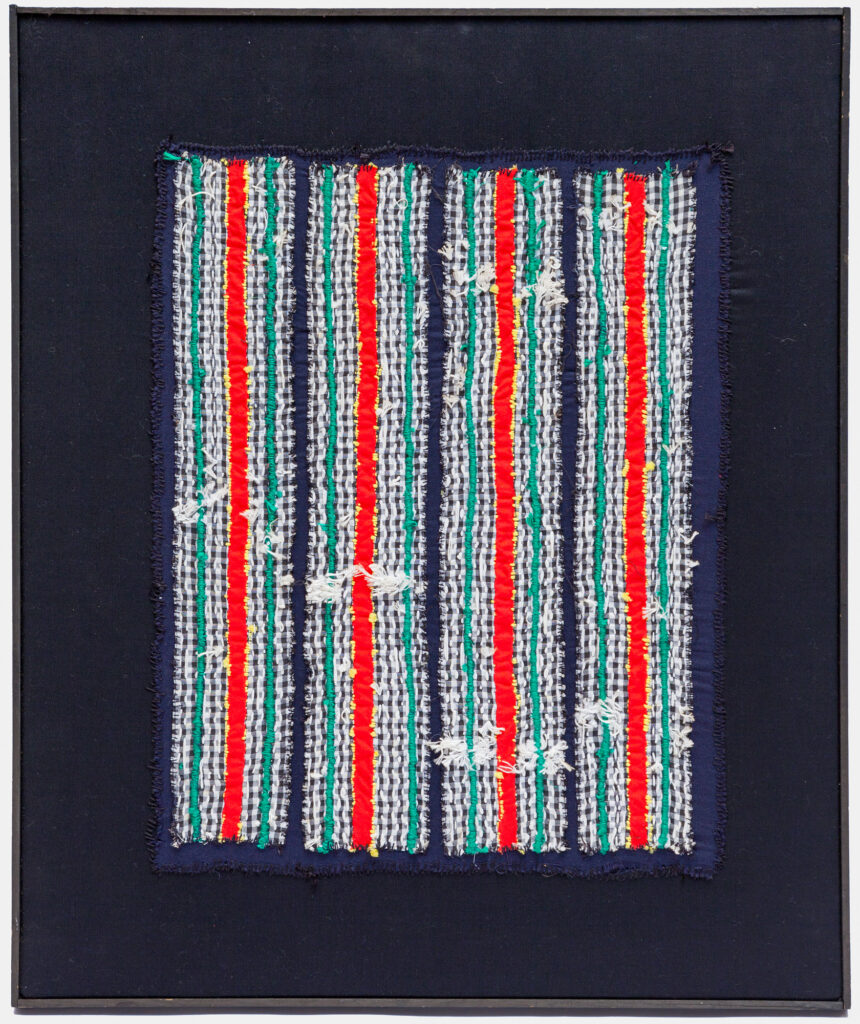
(3.2) NUI (Stitched Works): Embodied Memory and Abstraction (1975–1997)
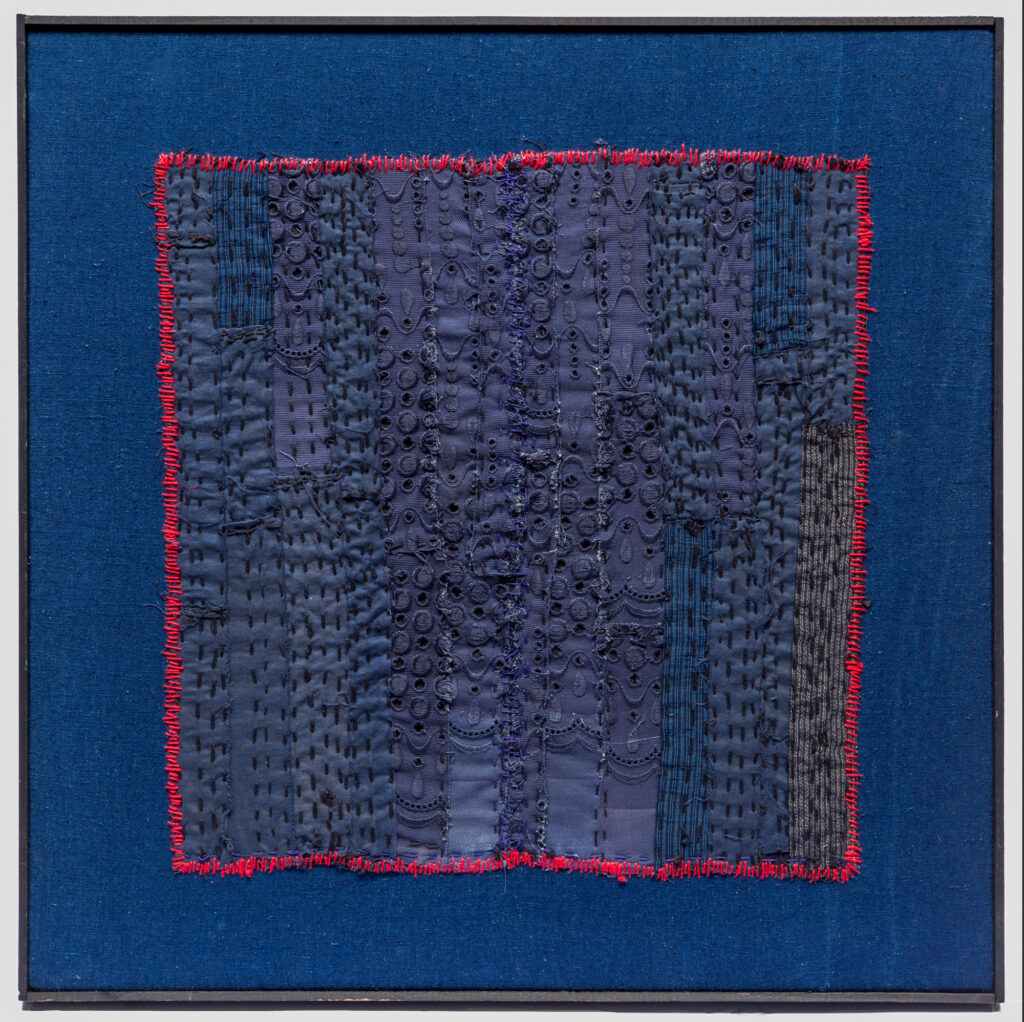
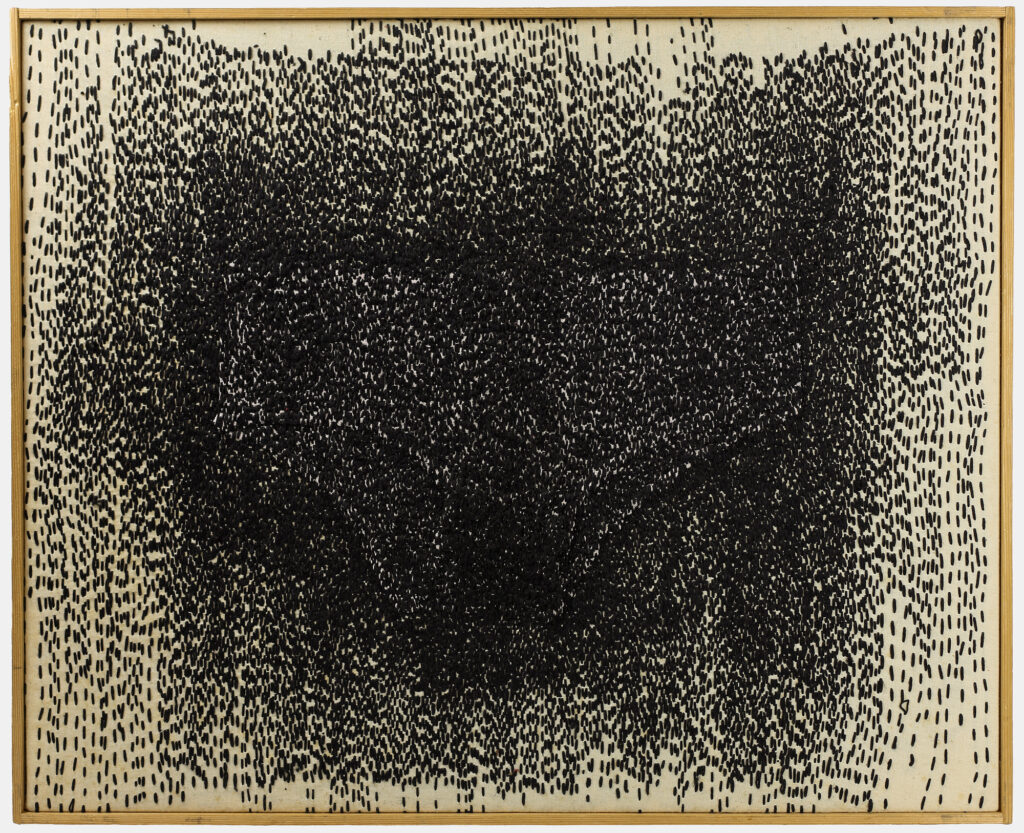
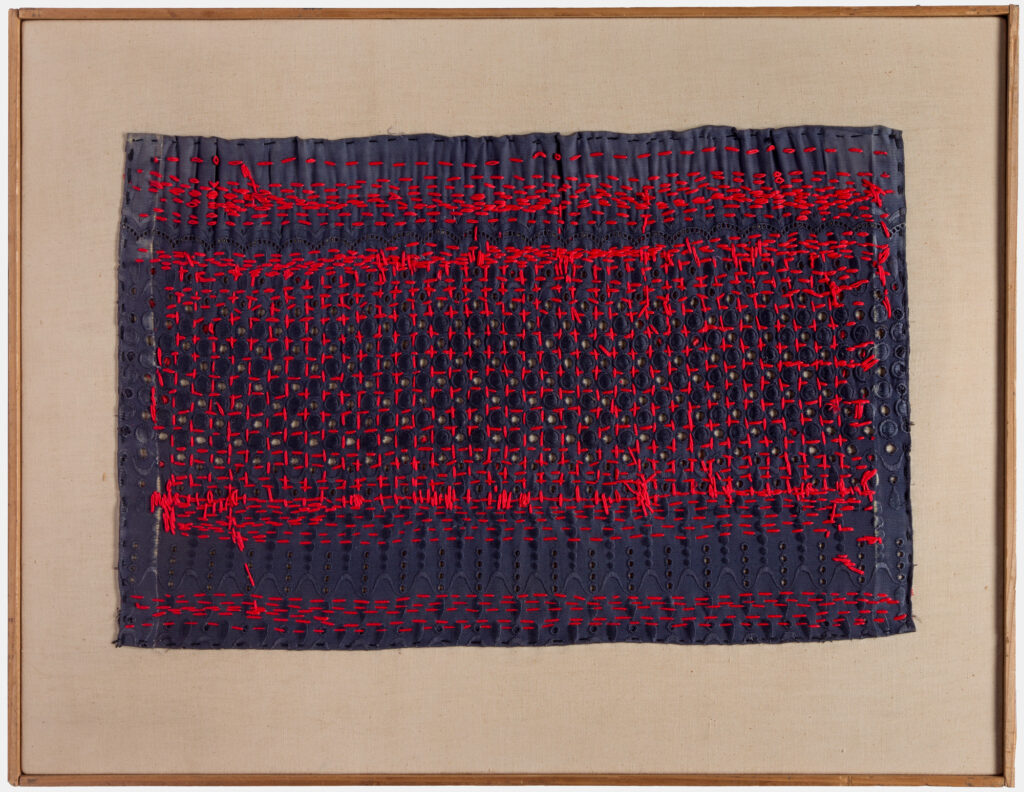
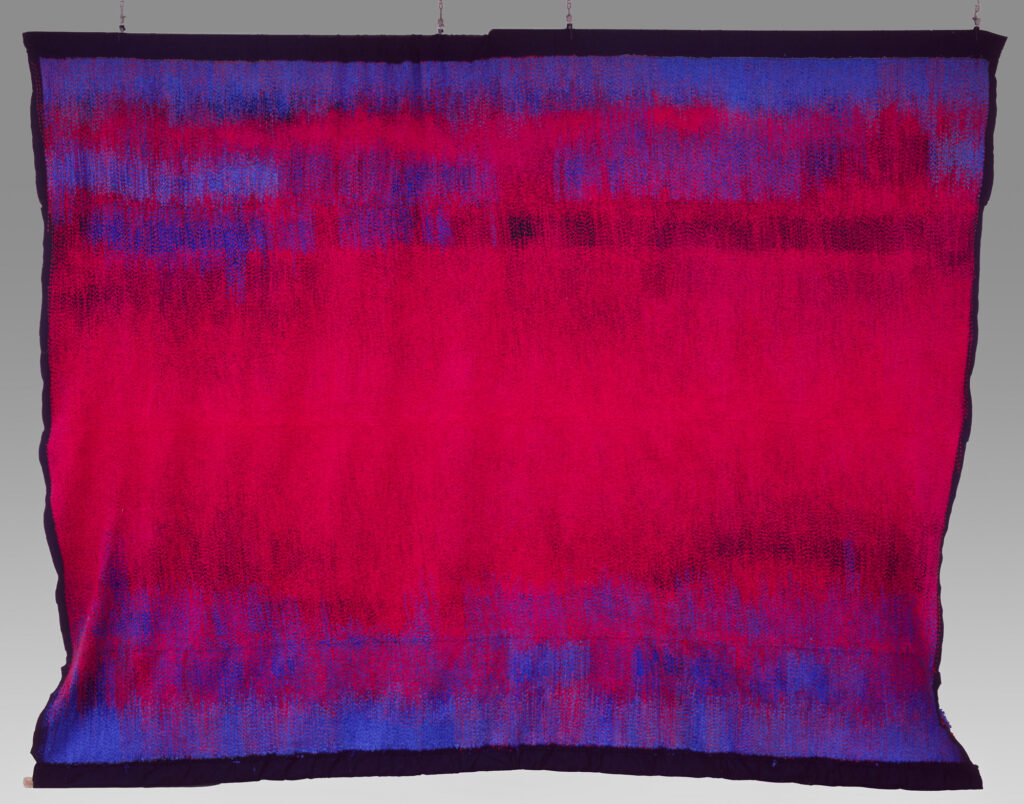
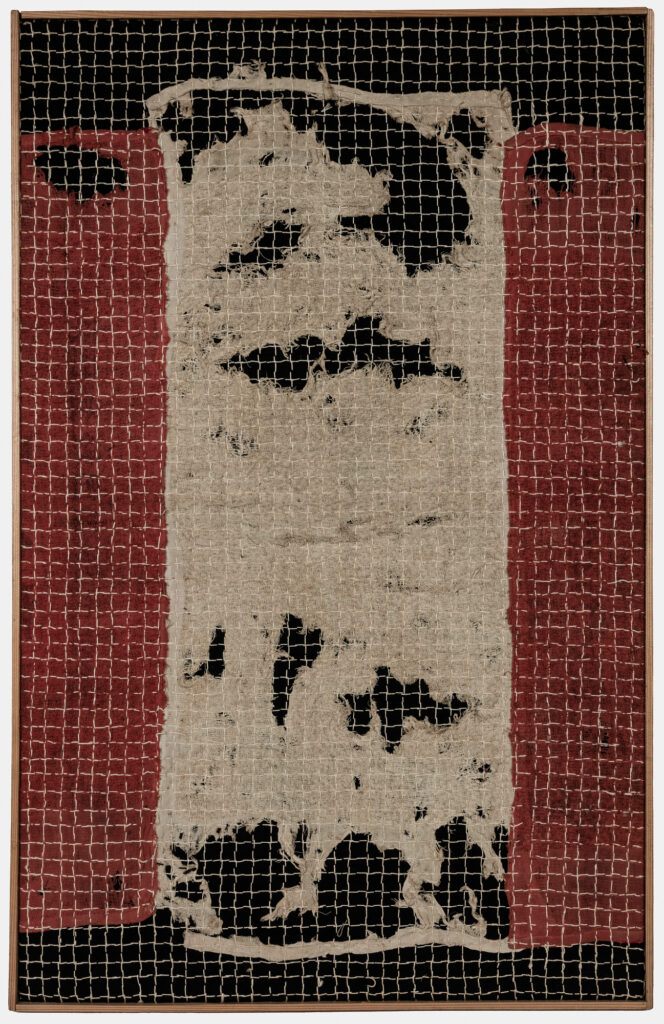
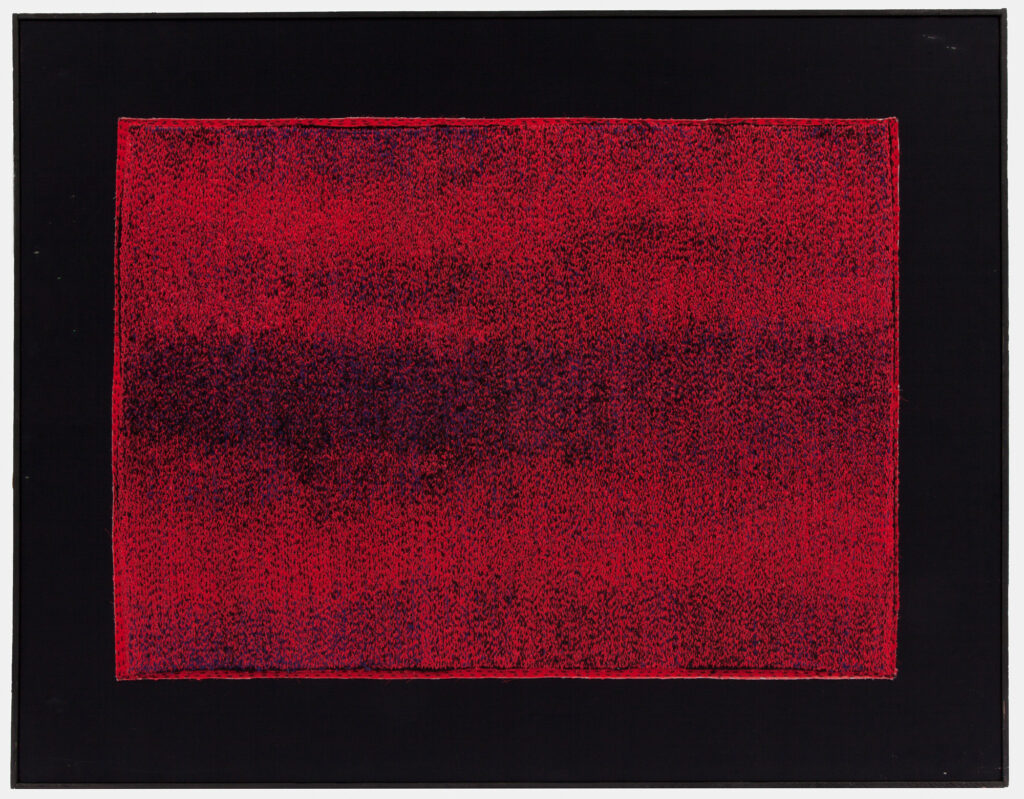
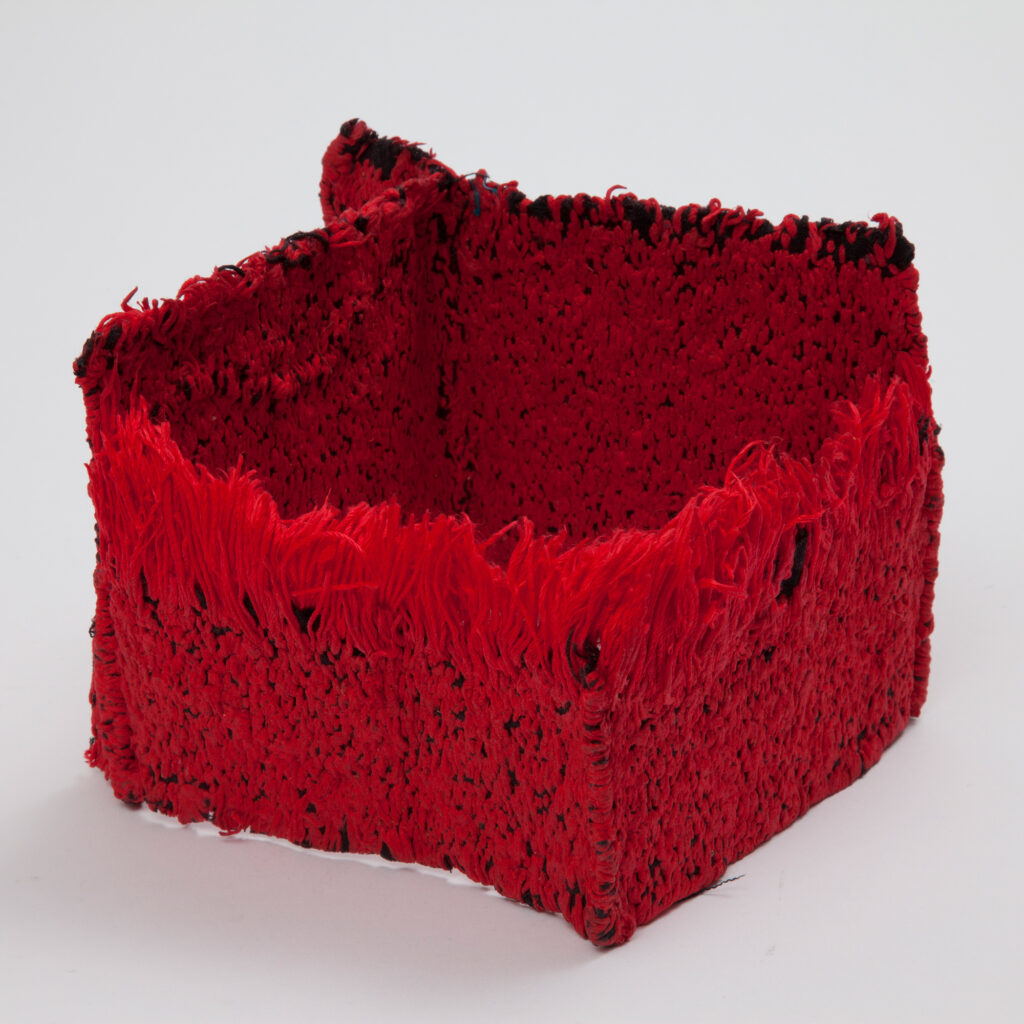
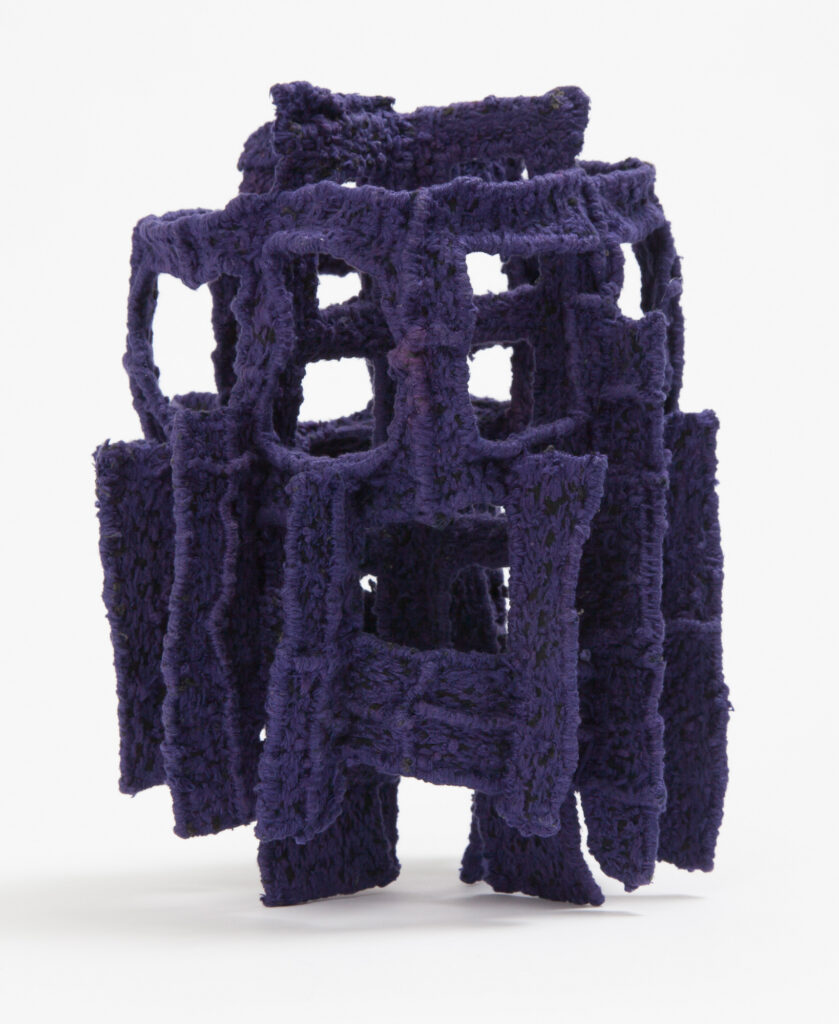
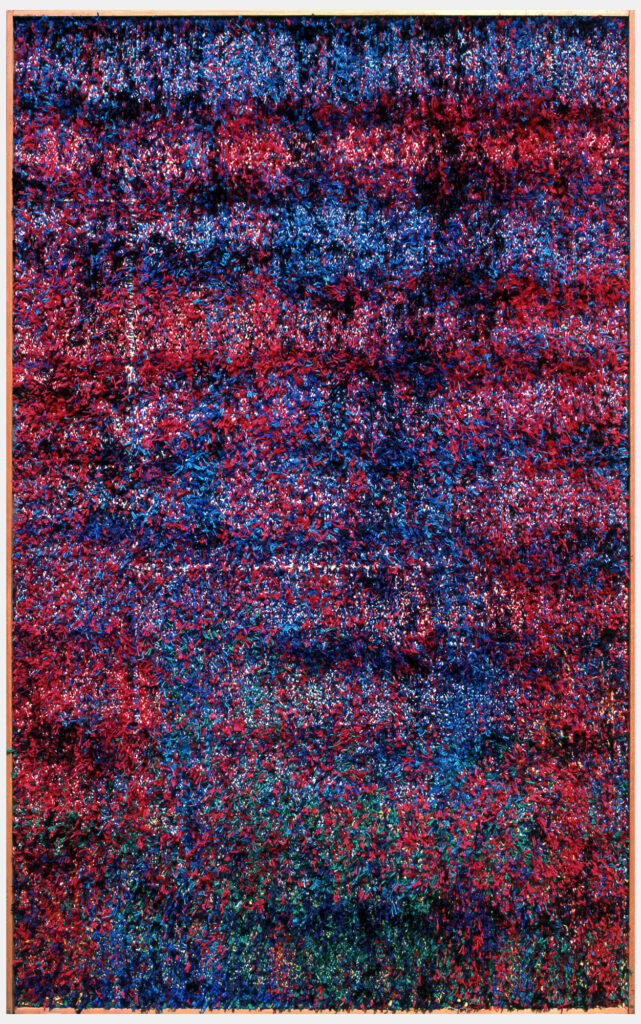
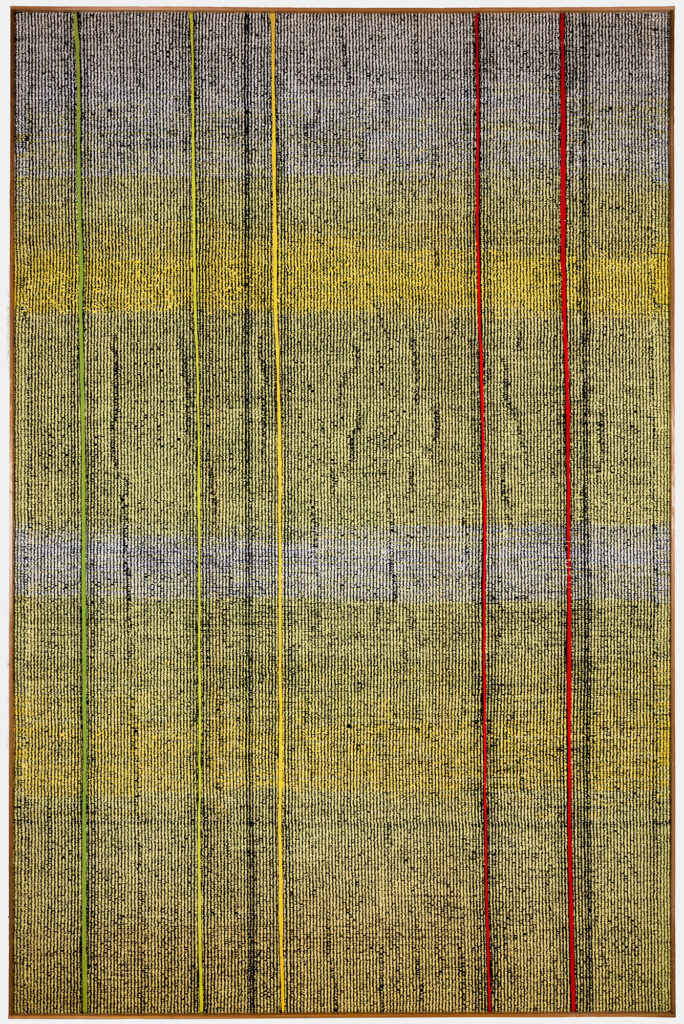
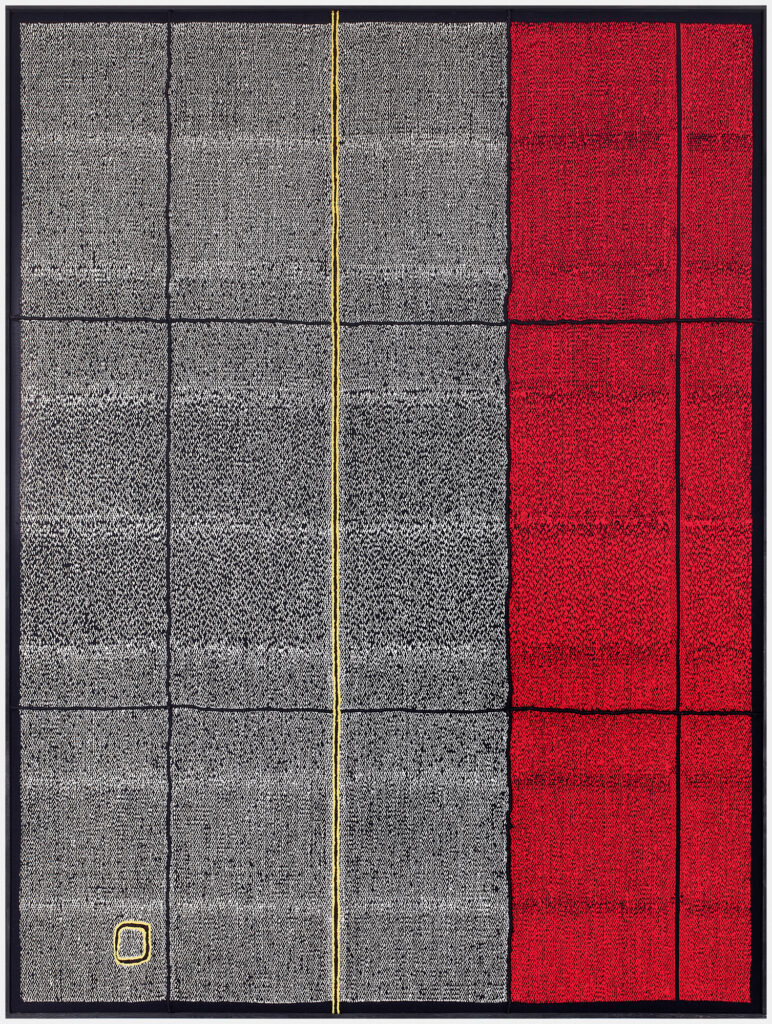
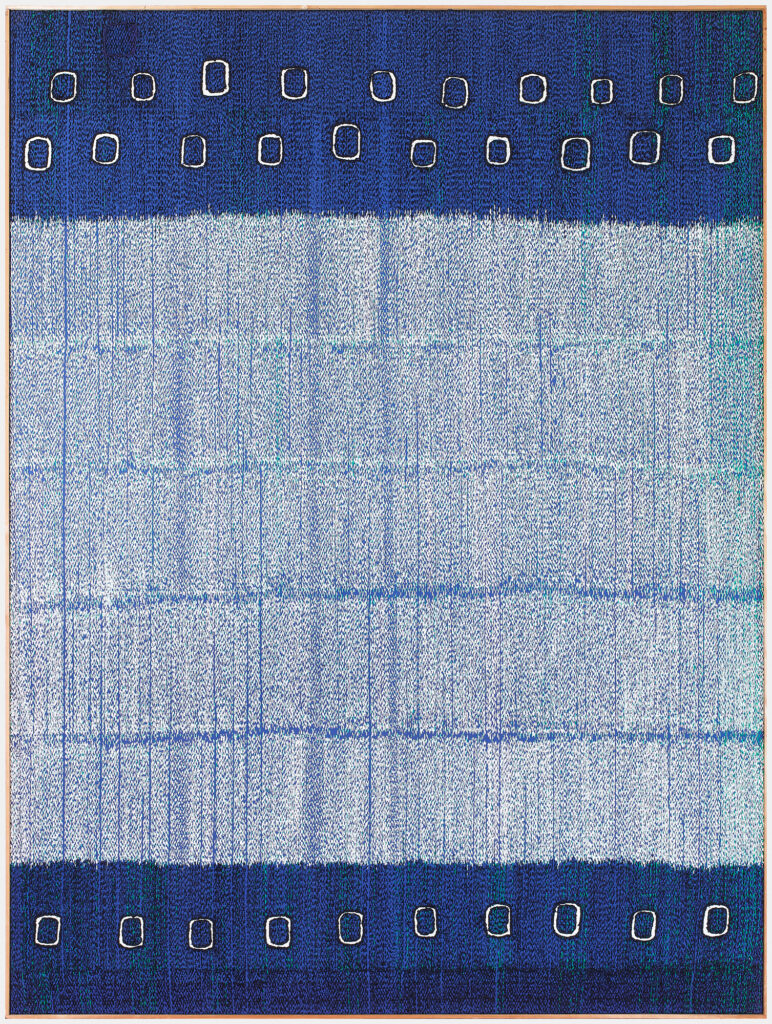
Uemae began producing NUI (stitched works) using cloth and thread in August 1975. Thereafter, alongside his work in oil painting, printmaking, and mixed media, it came to form a central component of his artistic practice.
The technique of NUI may be understood as an extension of his earlier oil paintings focused on the motif of the “line.” In the early works, he stitched into worn cloths such as oil-wiping rags used in crane work. Gradually he began using new fabrics, developing pictorial expression that emphasized stitched lines as well as the colors of cloth and thread.
In 1986 he introduced the technique of kanoko-nui using check-patterned lining fabrics, which greatly increased the efficiency of hand sewing, and large-scale works began to be produced in earnest. Between 1986 and 1992 he produced a series of sixty works, primarily large-scale pieces, and during this period NUI accounted for the majority of his production.
Between 1983 and 1987 he also produced nineteen freestanding sculptural works composed solely of densely stitched cloth and thread. From 1995 to 1997 he produced another series of approximately thirty-five small-scale works.
Uemae’s hand-sewing technique was acquired in his youth during his apprenticeship at a kimono-washing workshop. The encounter between this formative experience of manual labor and non-representational expression gave rise to his distinctive artistic language. Through repetitive handwork, the world of NUI inscribes time and materiality onto the pictorial surface, embodying a fusion of bodily memory and artistic sensibility.
Selected Works
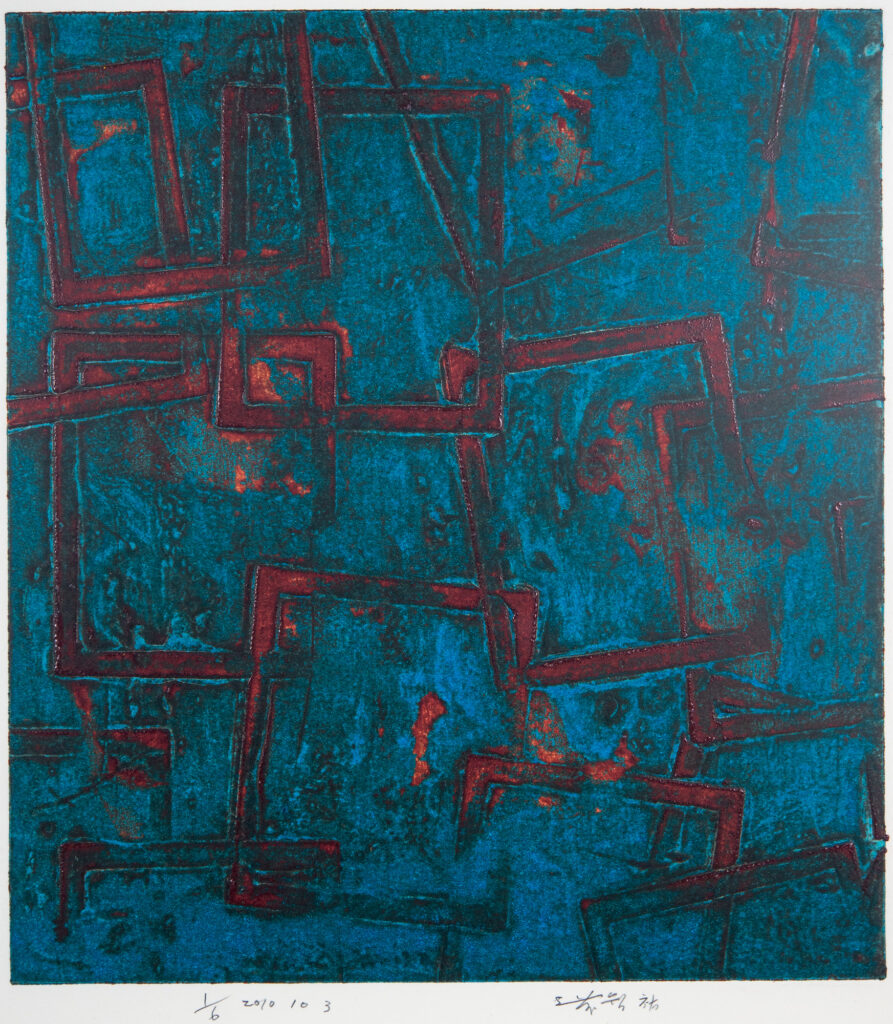
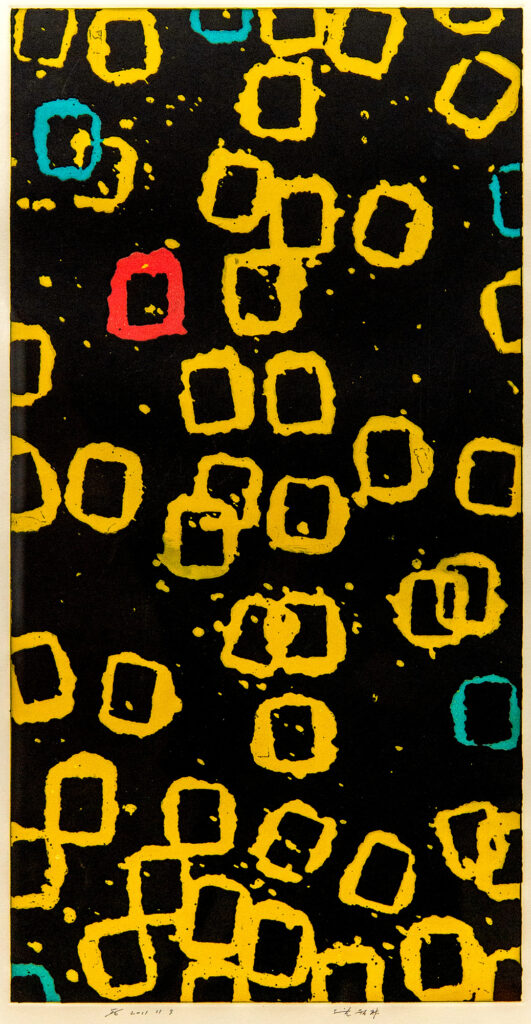
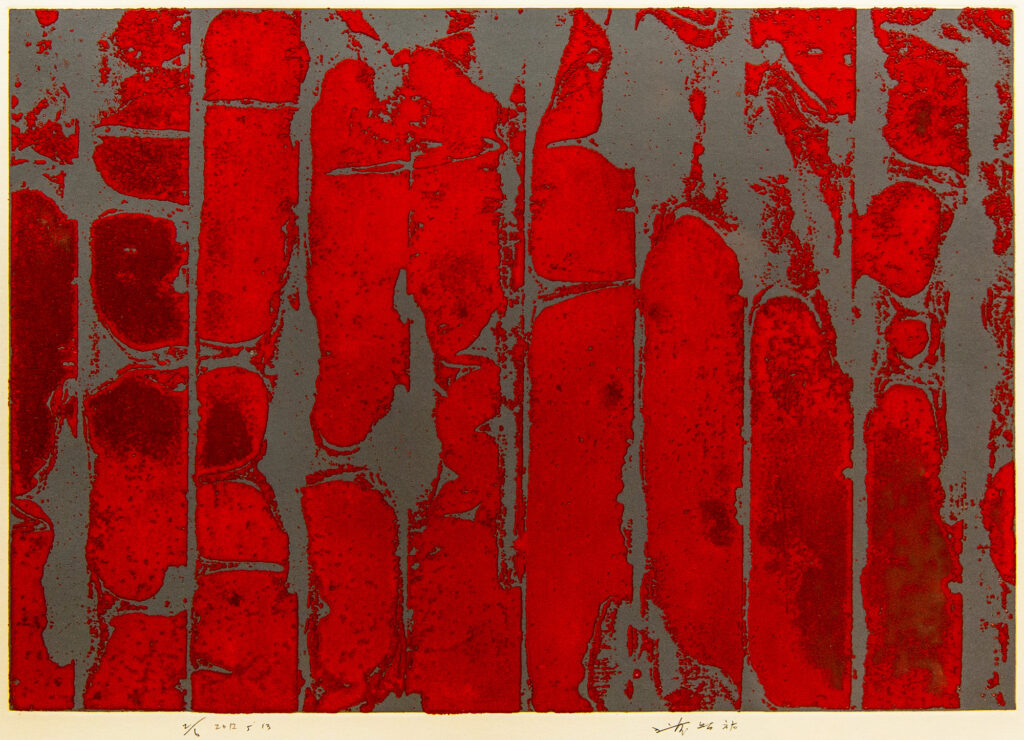
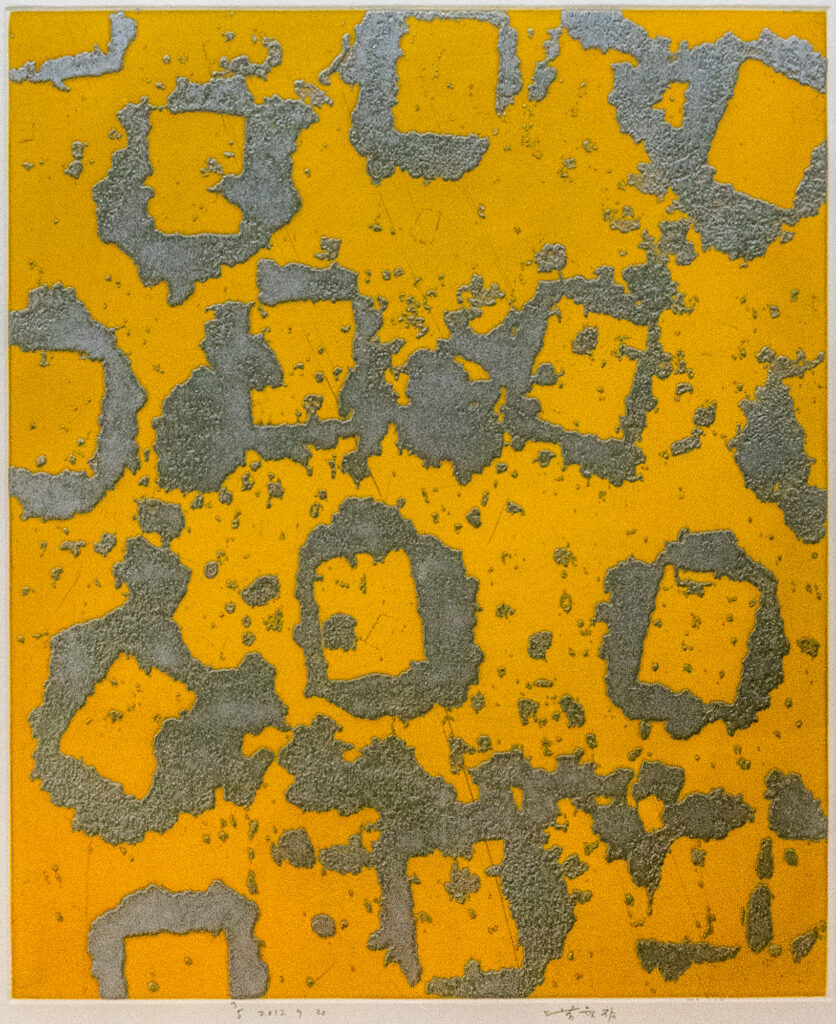
(3.3) Ink Drawings, Watercolors, and Printmaking (from 1980)
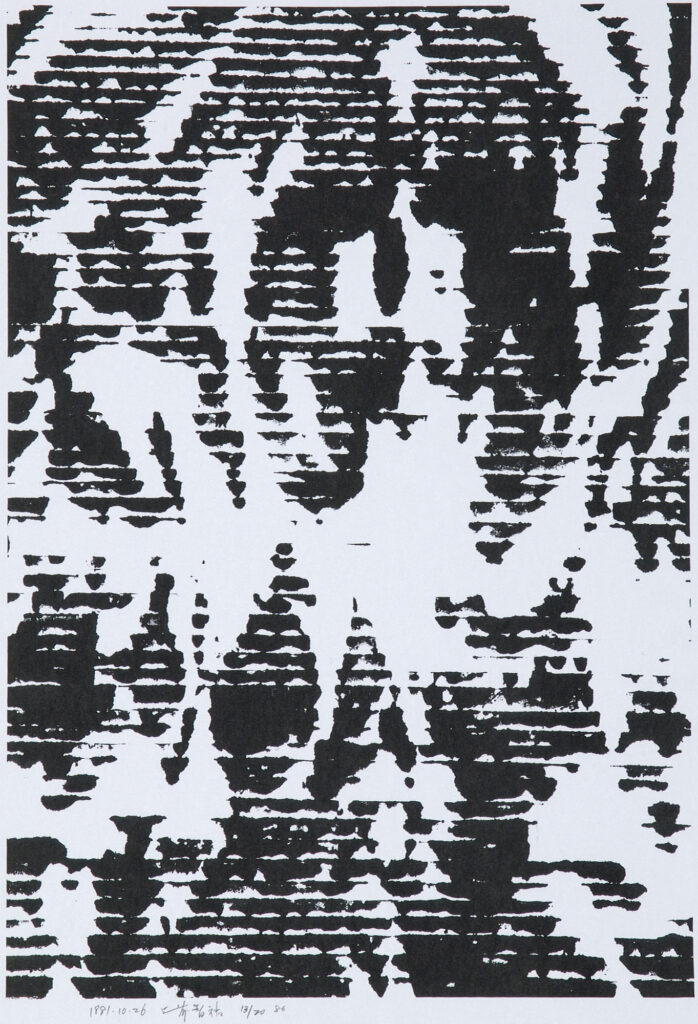
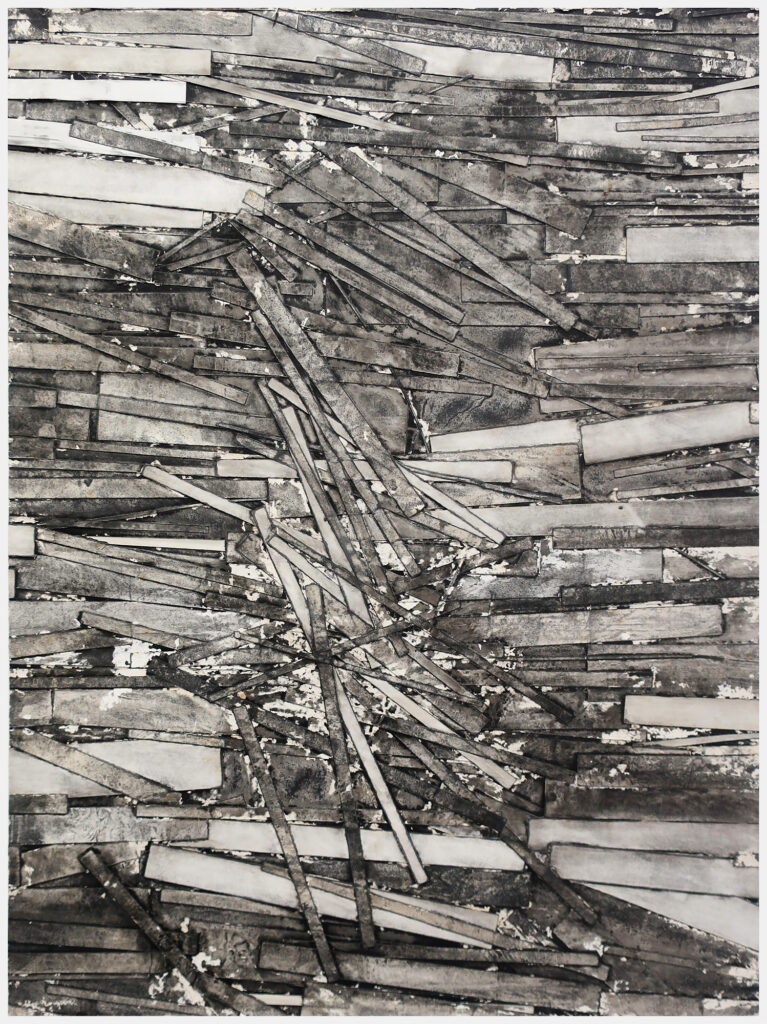
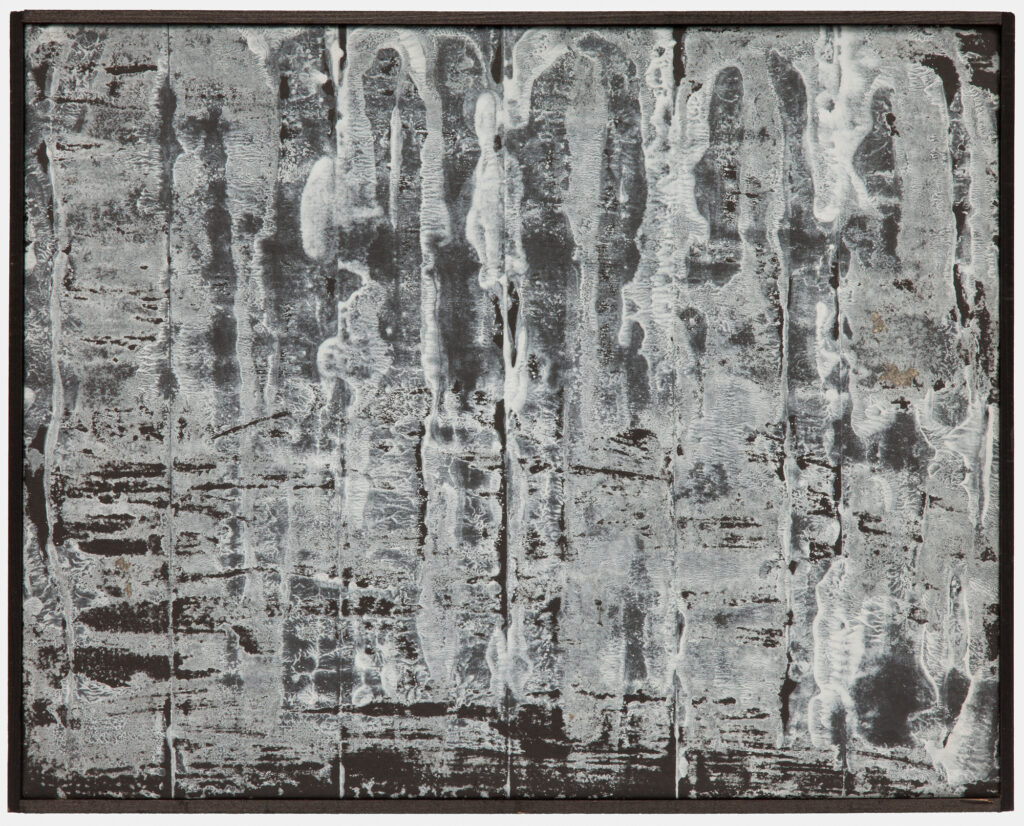
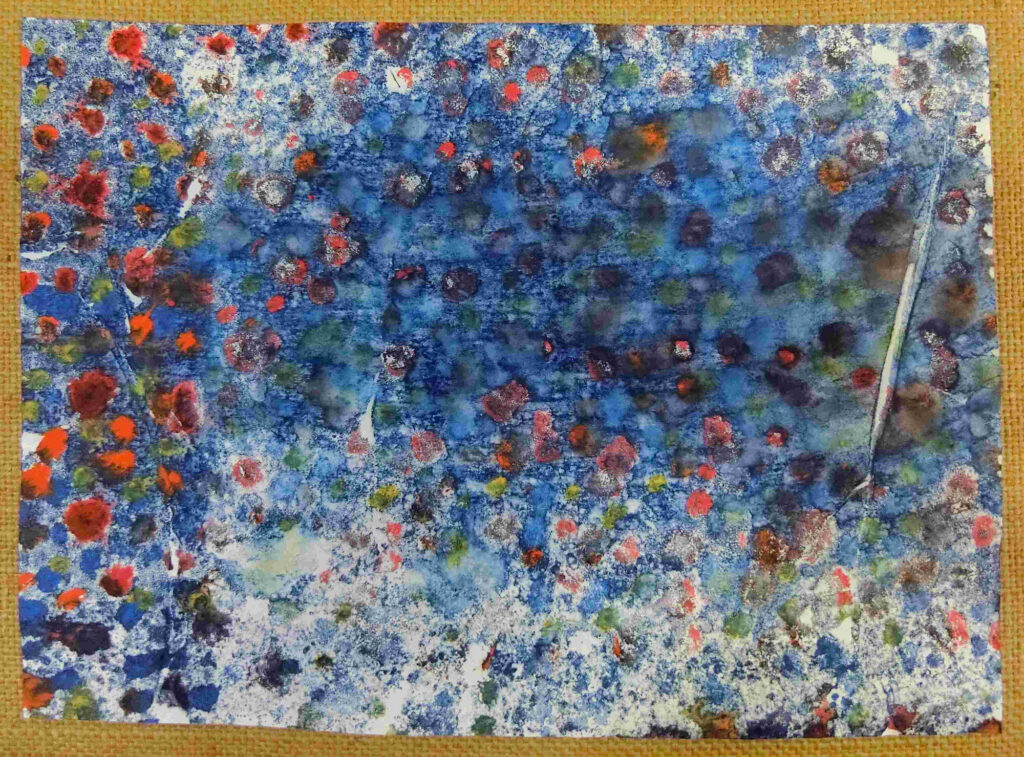
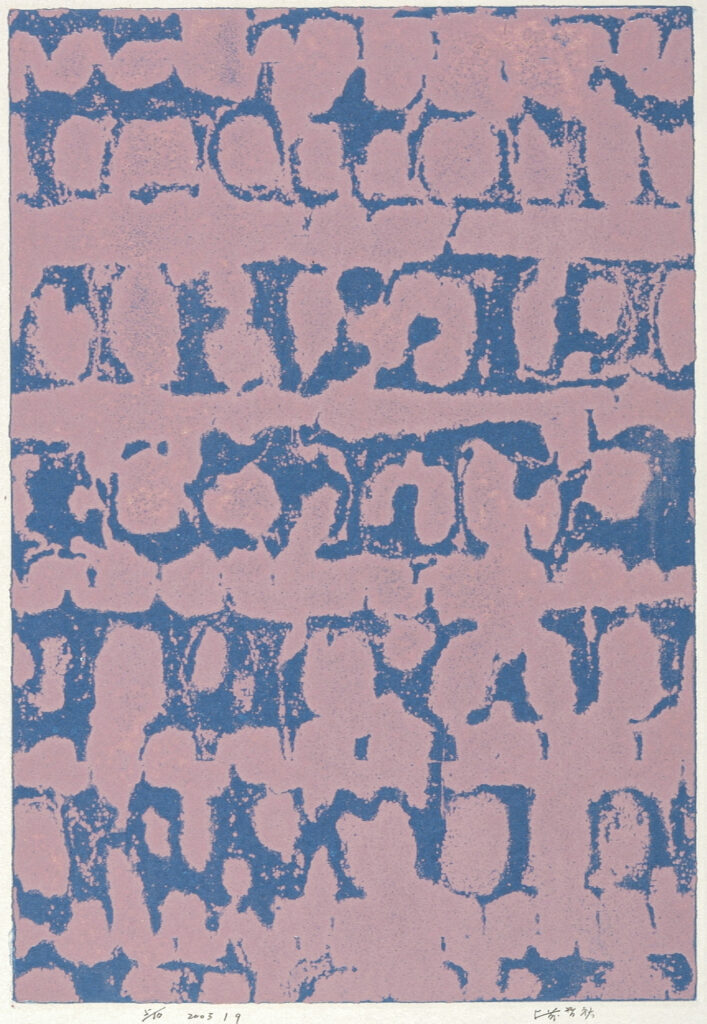
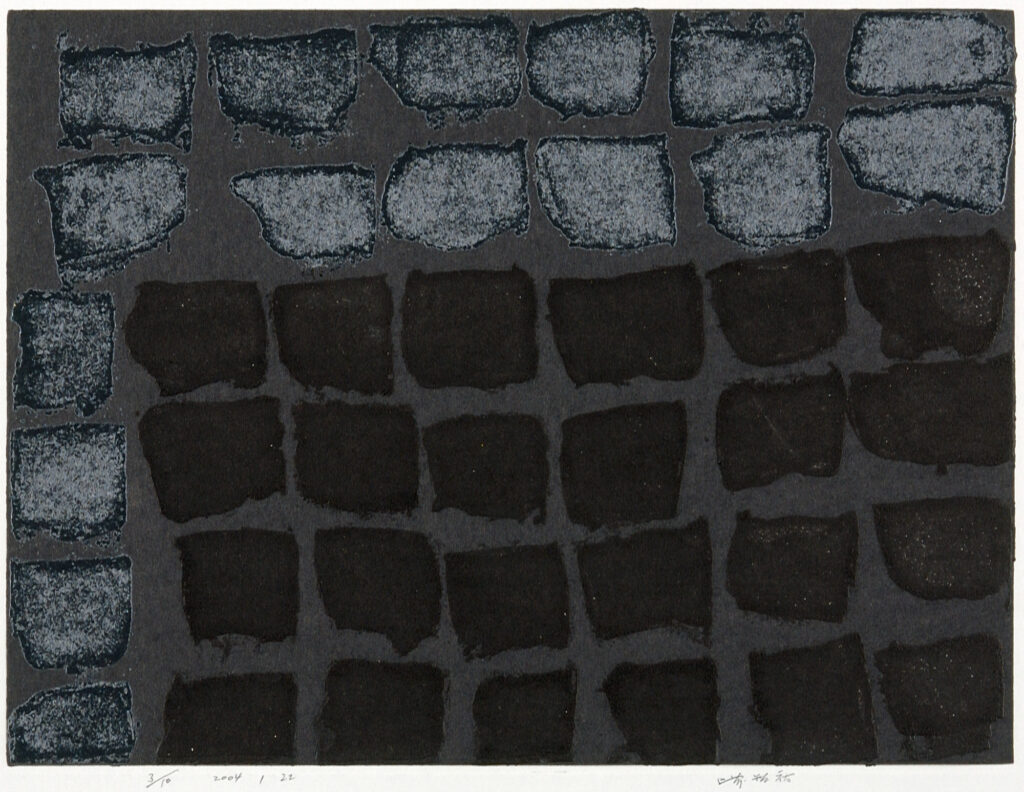
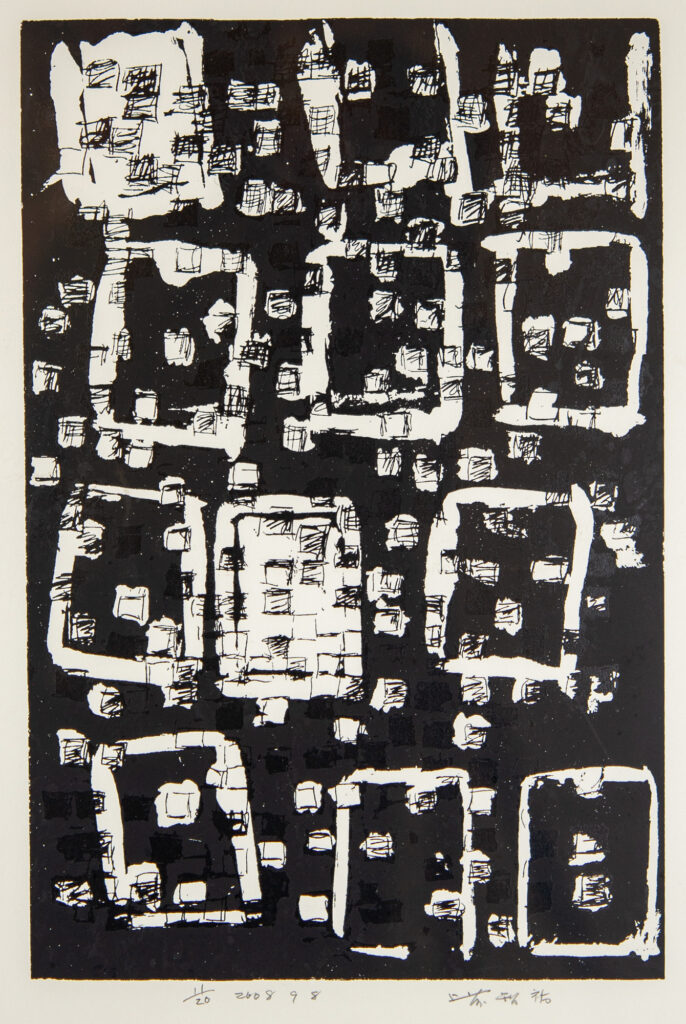
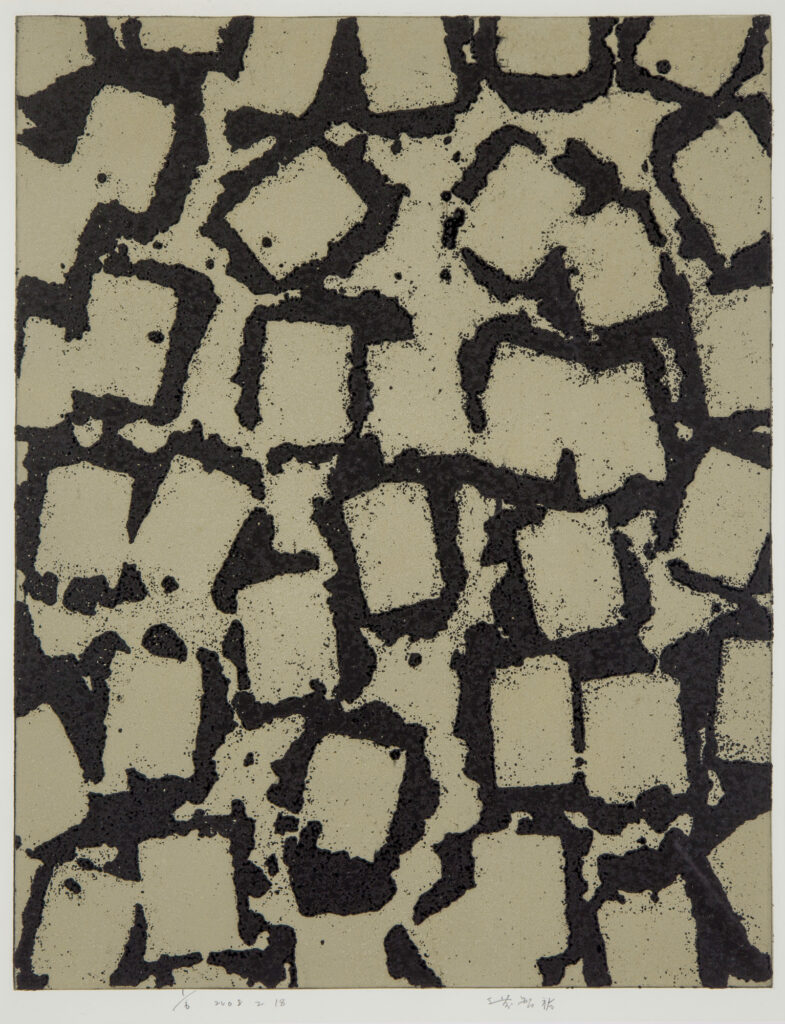
In 1980, at the age of sixty, Uemae retired from his work as a crane operator and devoted himself fully to artistic production. Around this time, he produced several thousand ink drawings and several hundred watercolor works. Between 1980 and 1982, based on these works, he produced collage works mounted on wooden panels as well as prints using silkscreen and offset techniques.
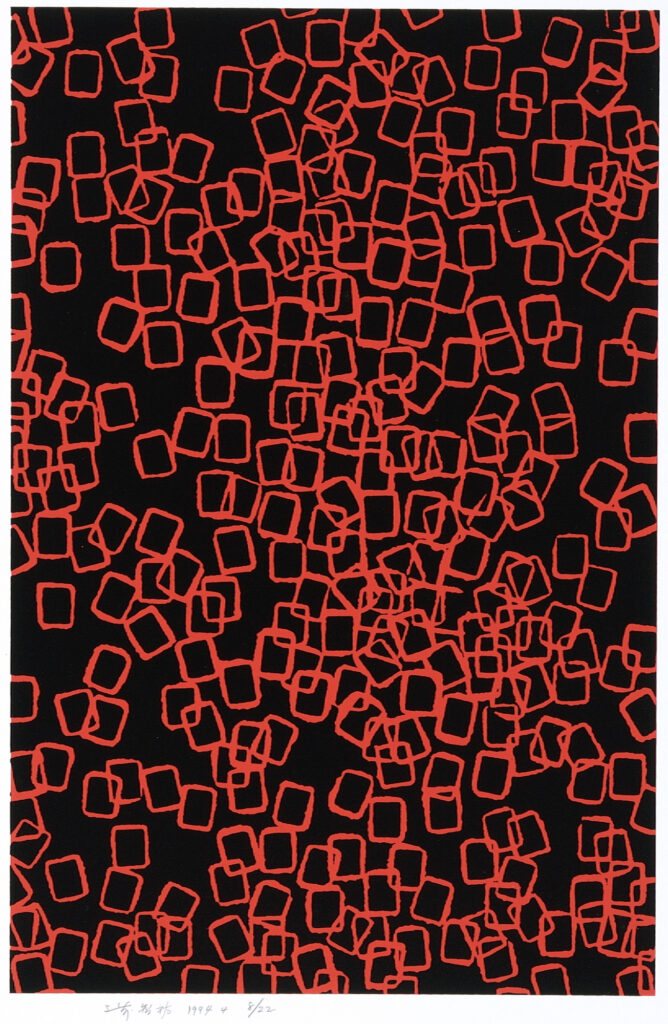
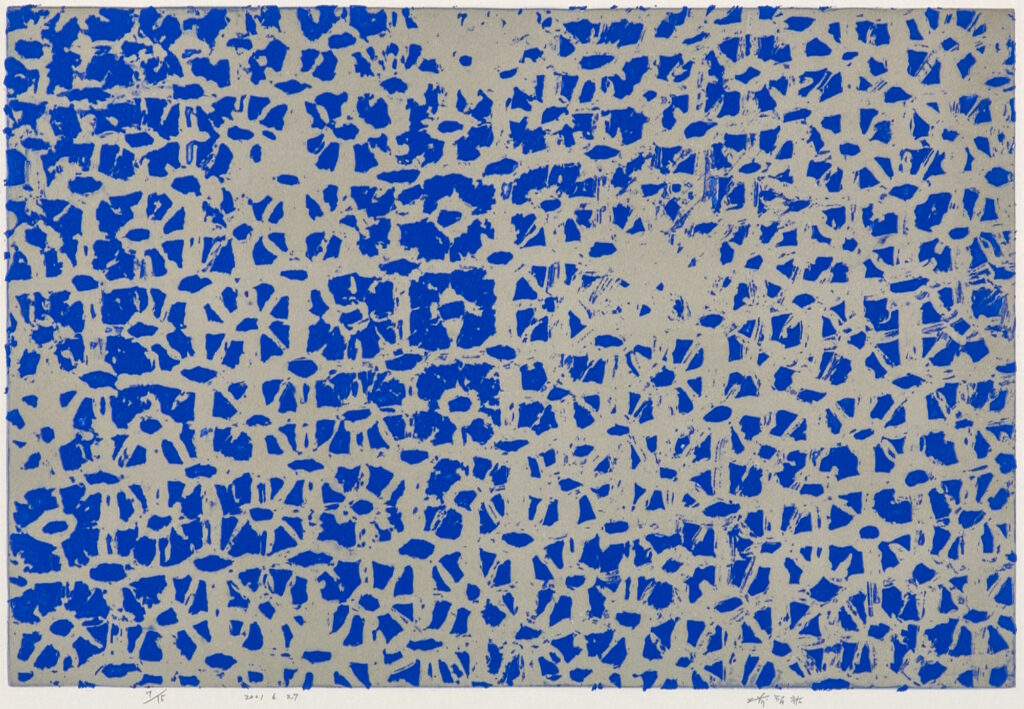
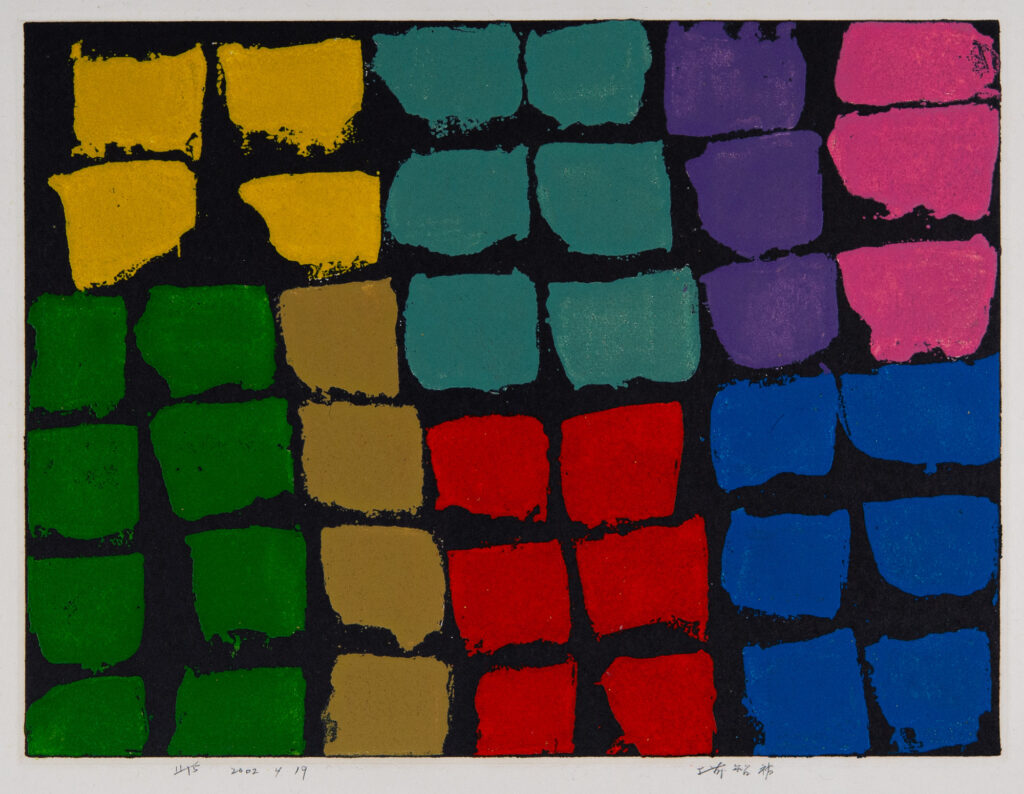
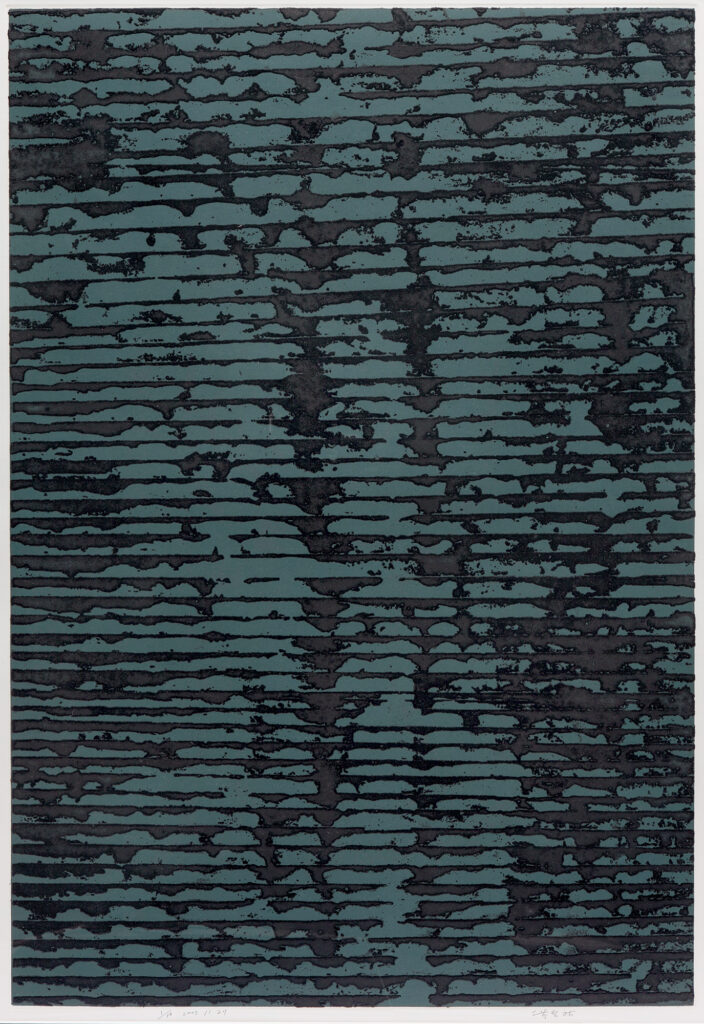
From 1994 he resumed the production of silkscreen prints, and after 2000 he also began working with copperplate printing. Many of these prints were based on oil paintings and other original works, and multiple versions with different color schemes were produced from the same source image.
The edition size of each print was generally small—usually fewer than twenty impressions—but the number of different prints produced is estimated to exceed five hundred.
In the 2000s, printmaking, together with the mixed-media “Moriage” discussed below, became a central part of his production.
Selected Works
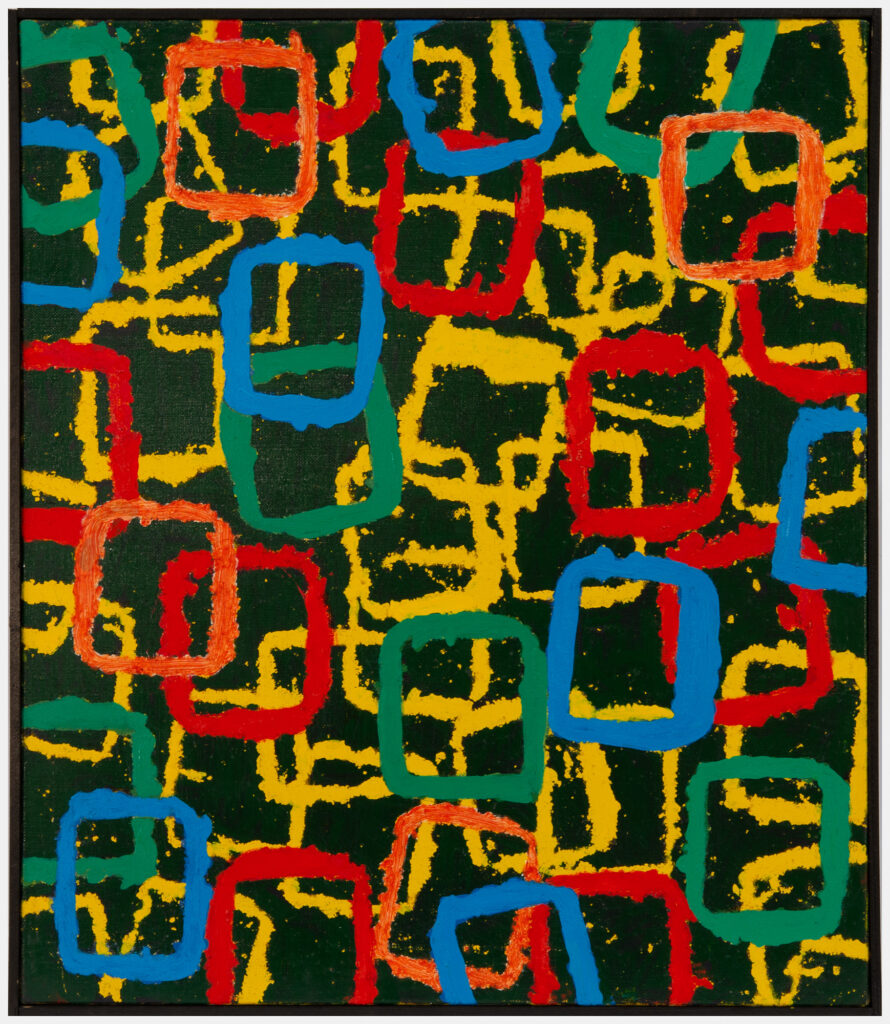
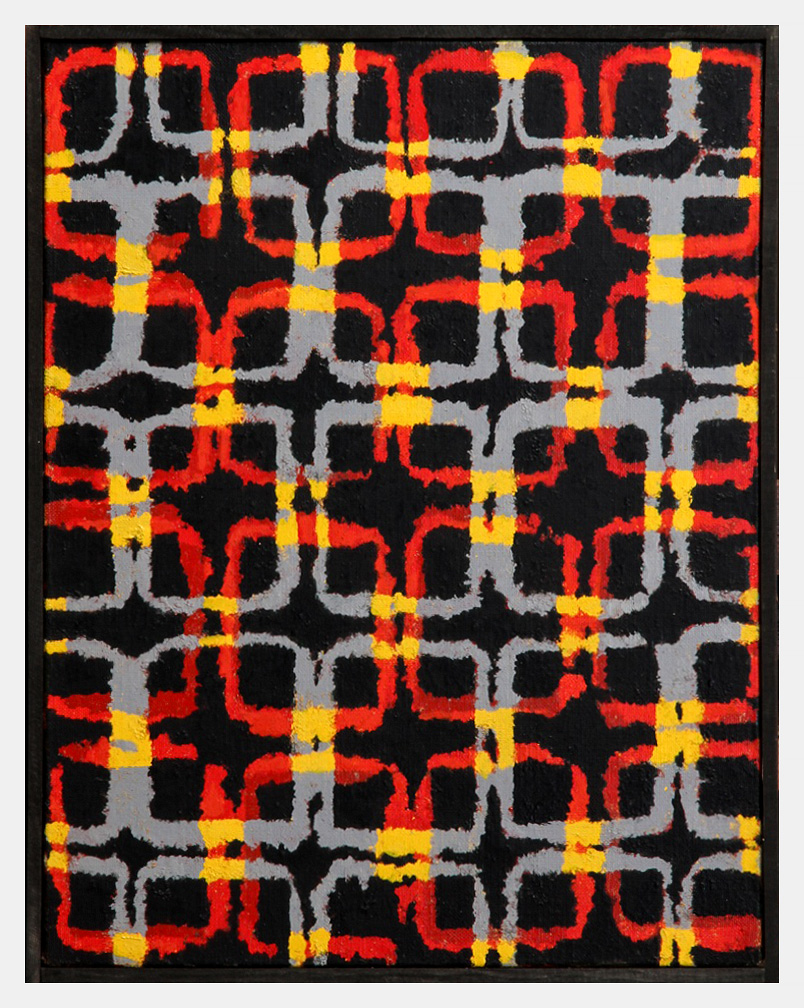
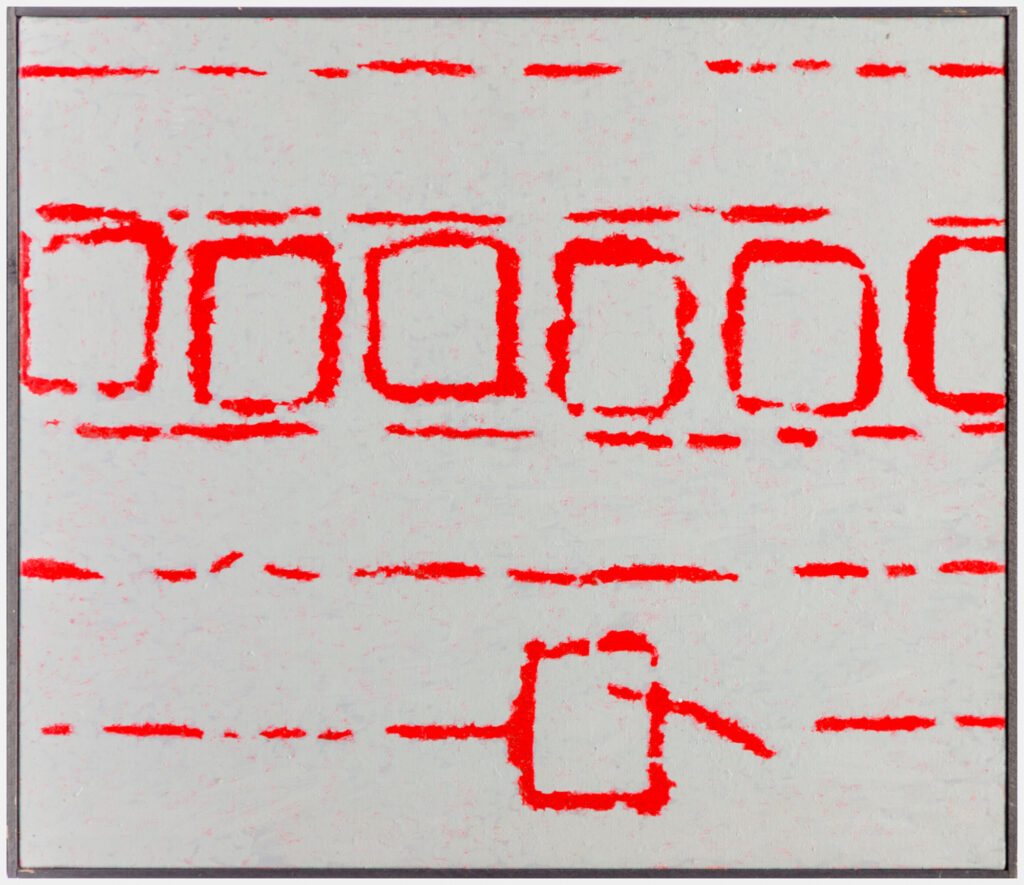
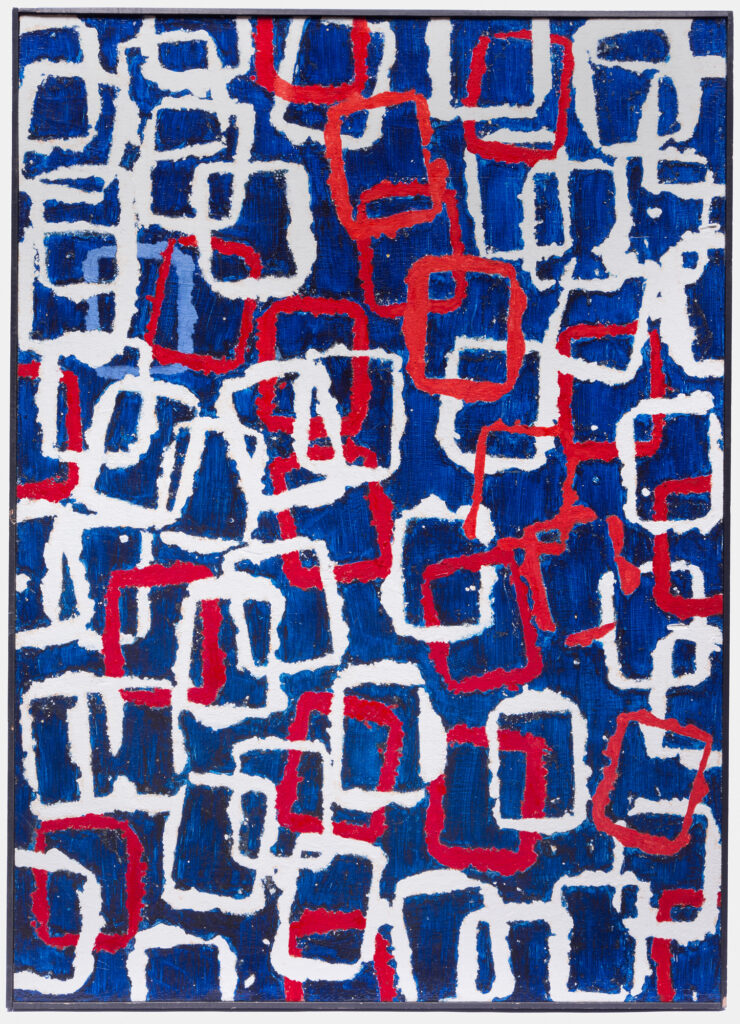
(3.4) Square-Based Compositions (from 1992)
After completing a series of sixty NUI works in mid-1992, Uemae temporarily suspended the production of his NUI (stitched works) until early 1995 due to pain in his arms and wrists resulting from many years of needlework.
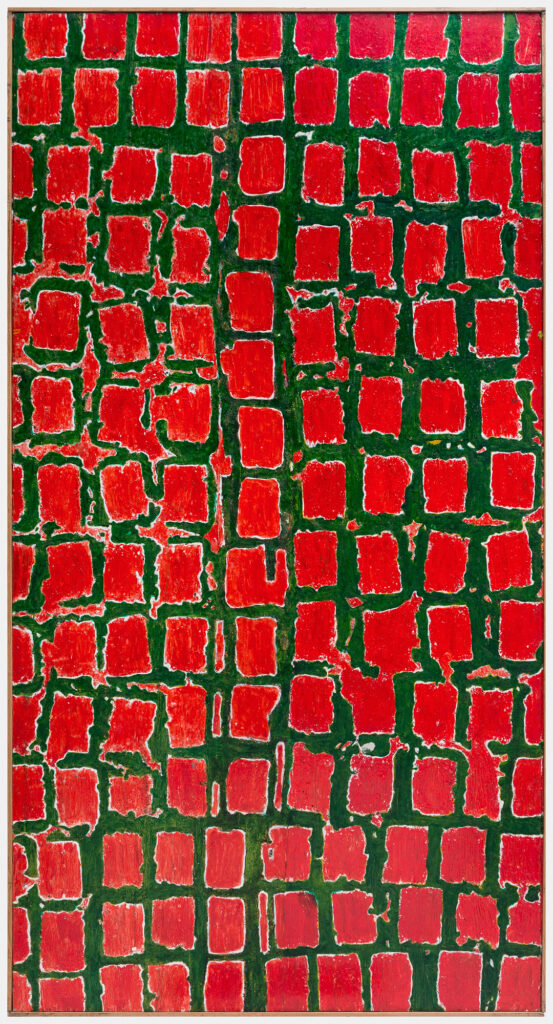
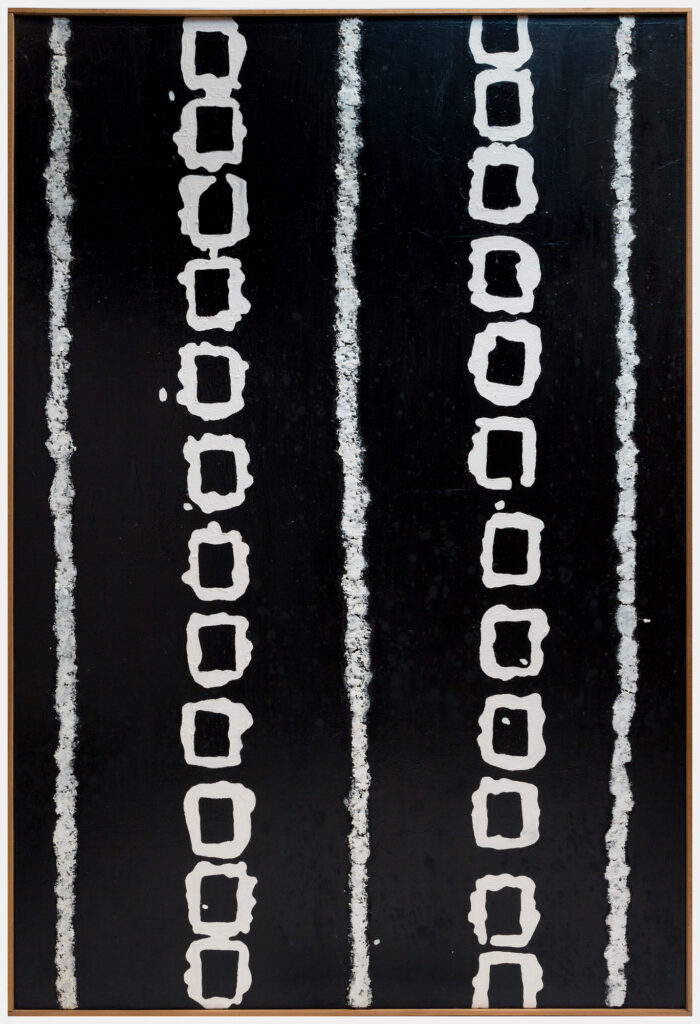
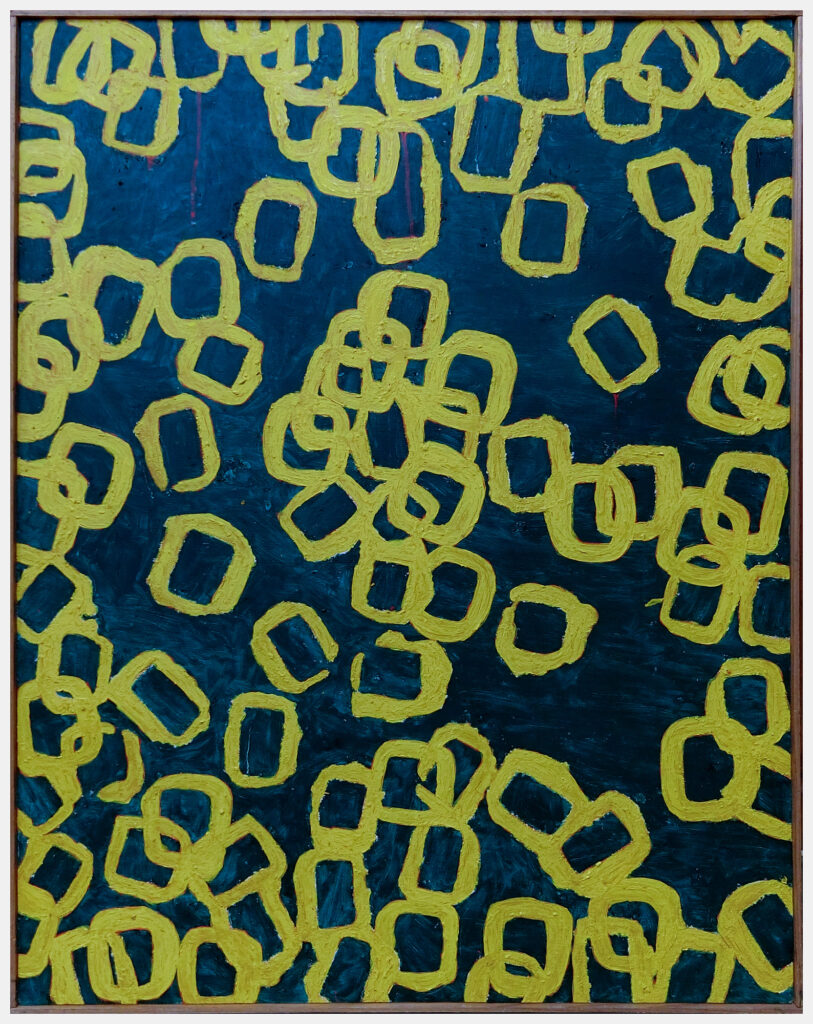
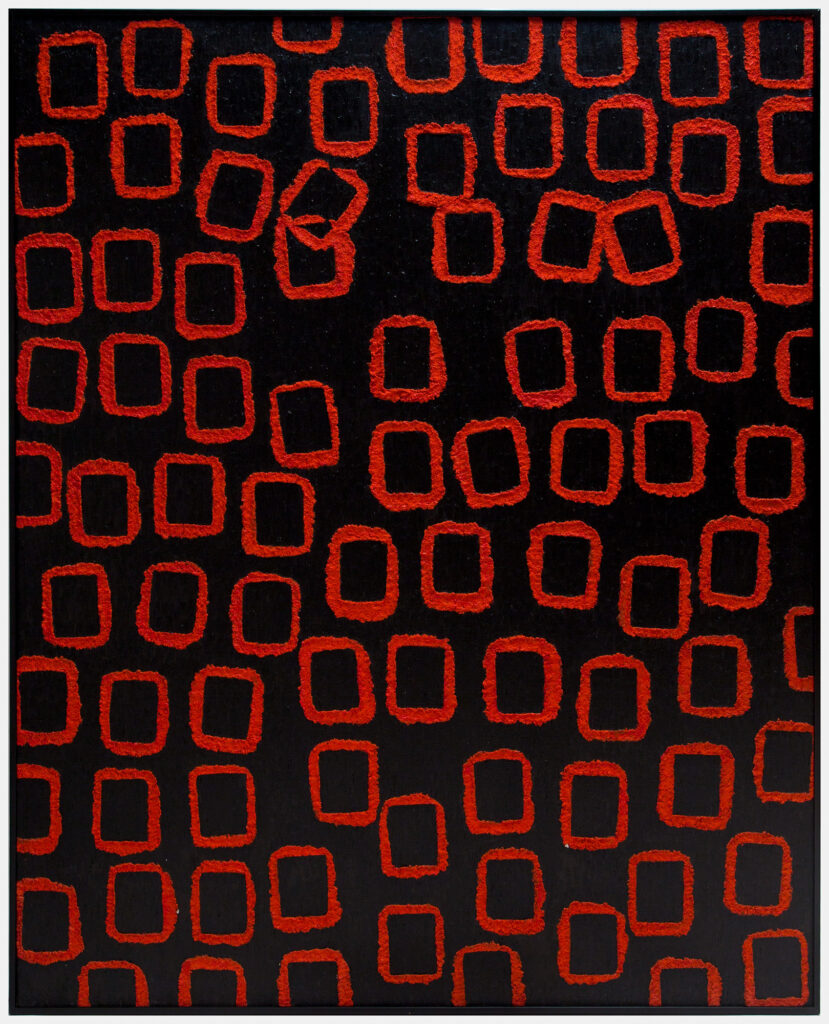
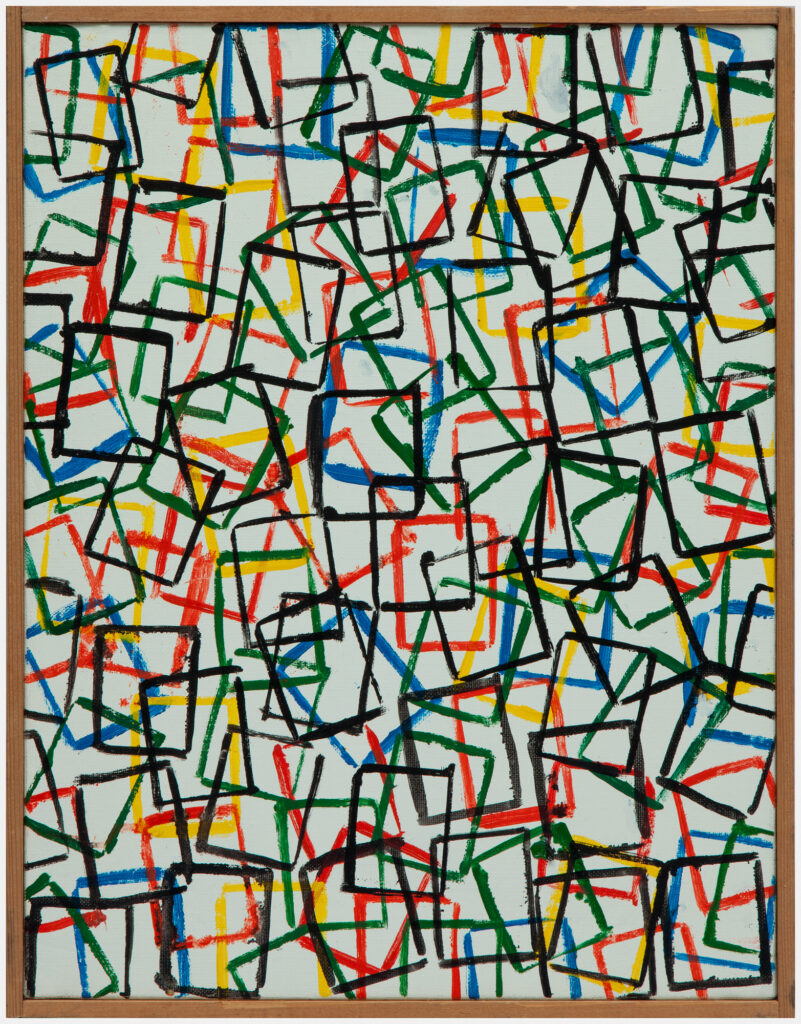
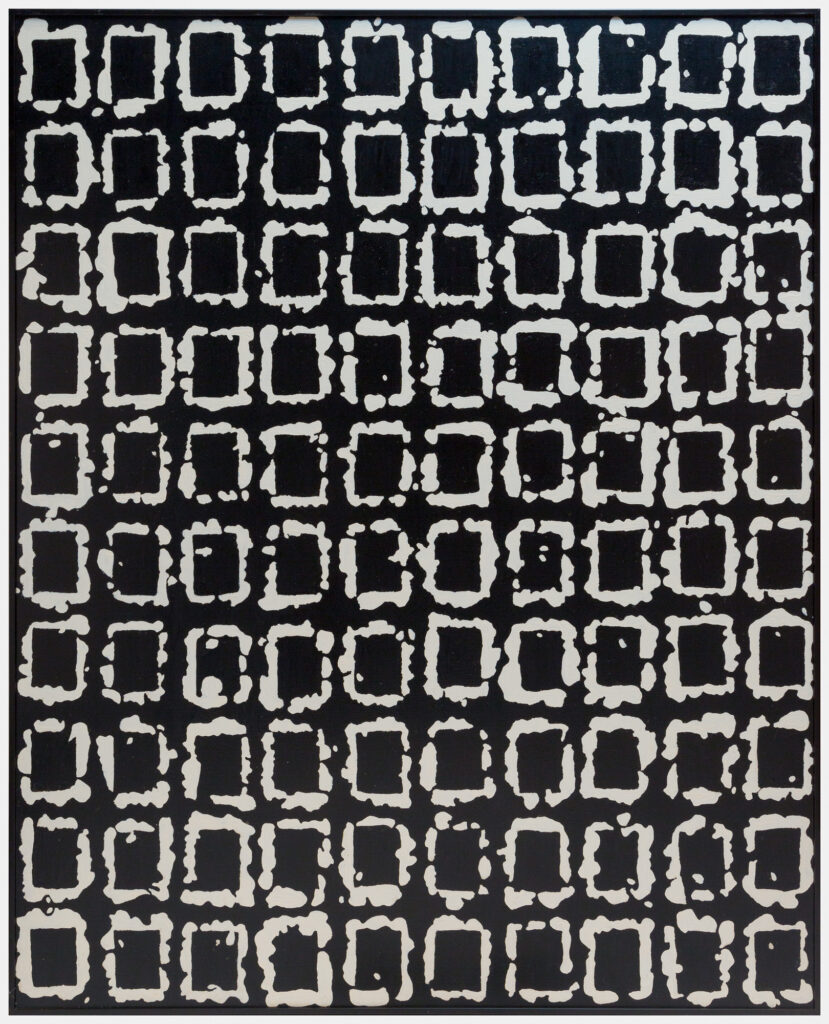
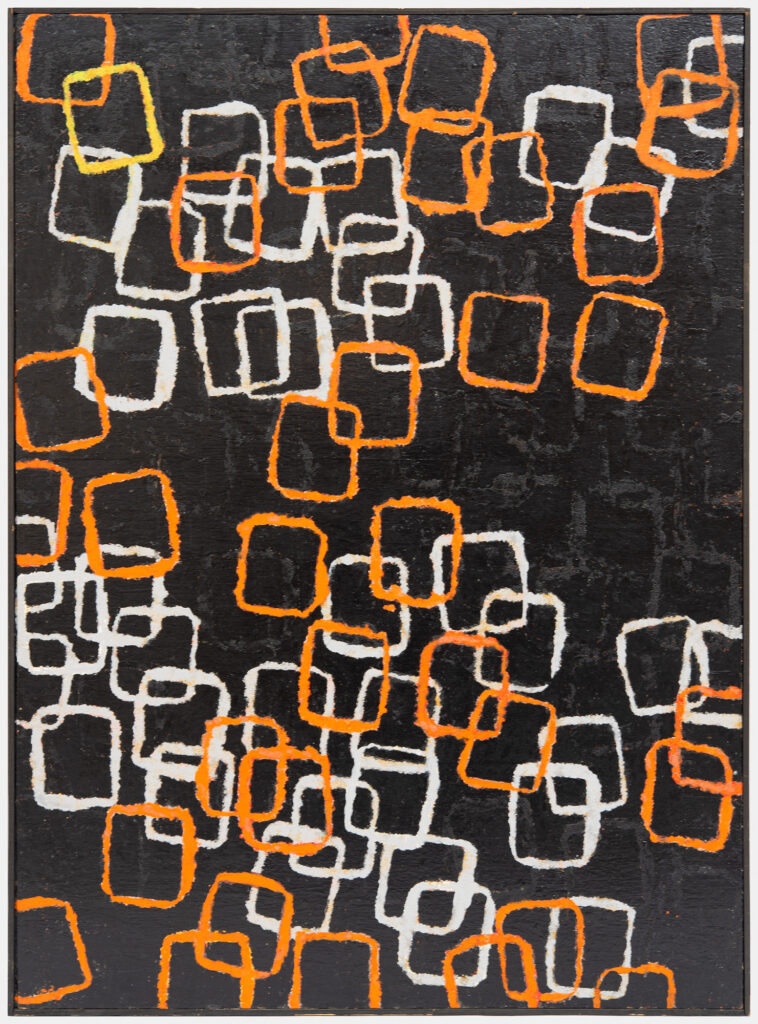
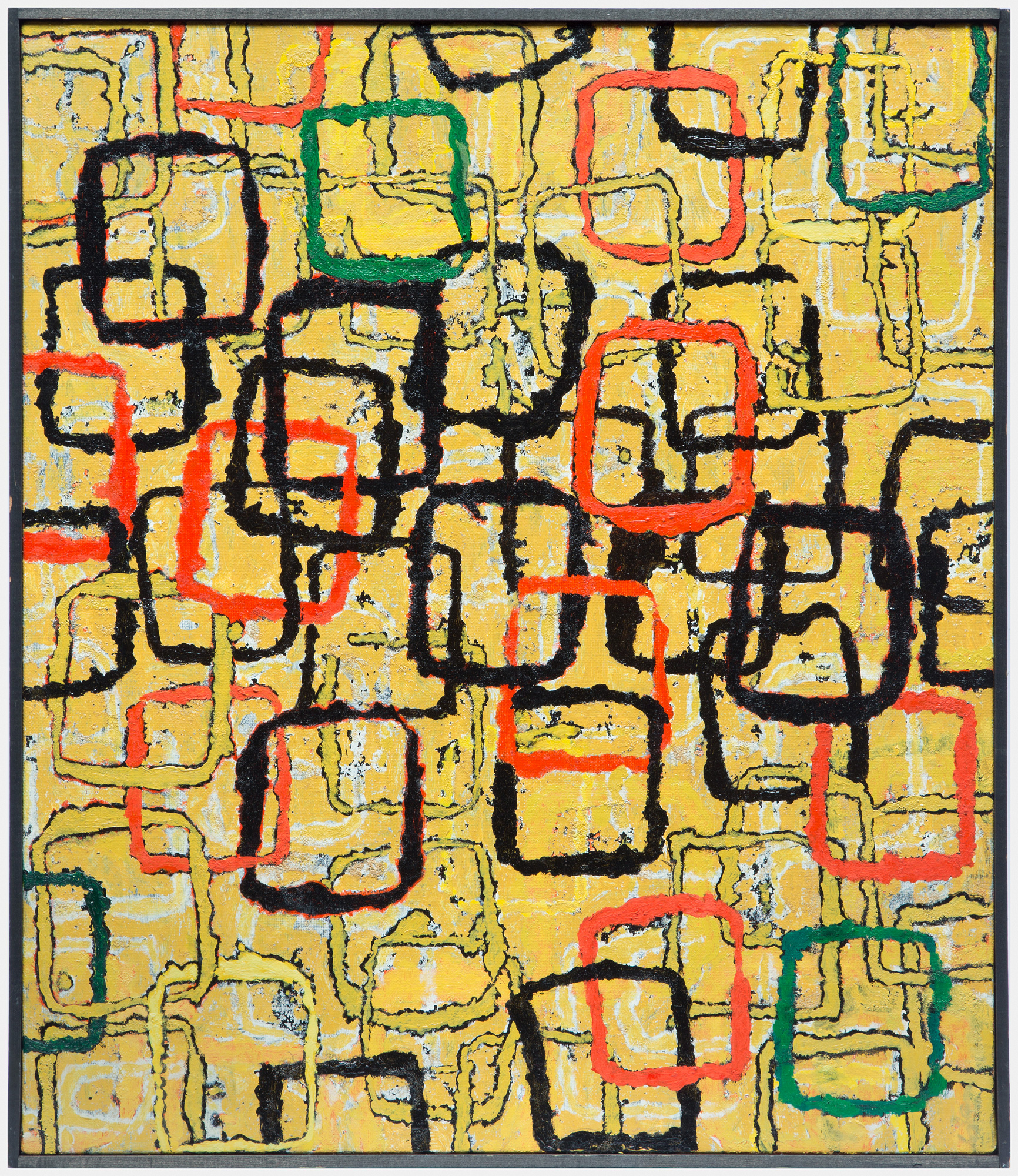
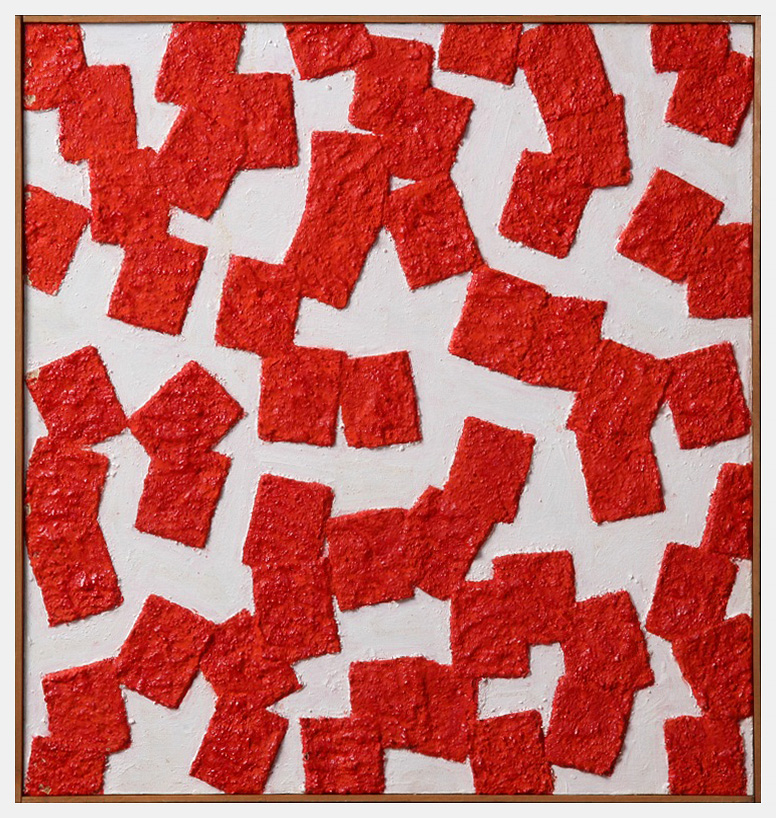
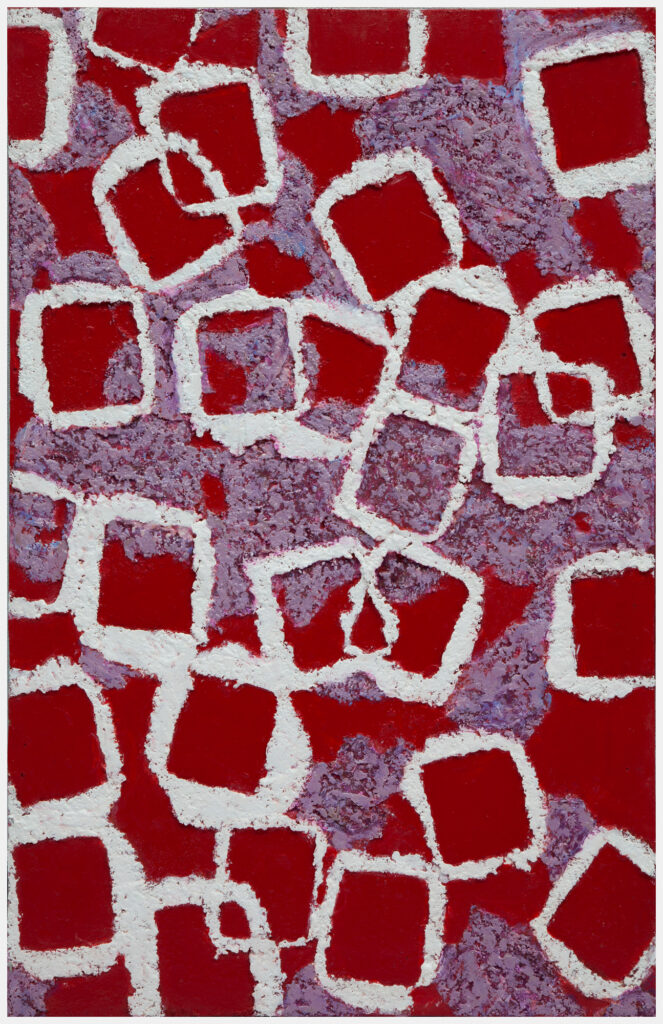
Around this time he became more active in oil painting, and many of these works were based on the repetition of □ (square motifs). Within this framework, various color arrangements were explored.
In place of the material expression created through the accumulation of handwork, increasing emphasis was placed on pure pictorial composition generated through the arrangement of color and form. This shift may have been influenced not only by physical constraints but also by a heightened sense of composition developed through his engagement with printmaking.
These attempts were not limited to oil painting but also extended to mixed-media works, as Uemae continued to explore new possibilities for pictorial space.
Selected Works
(3.5) Moriage (Built-up) Works (from 2000)
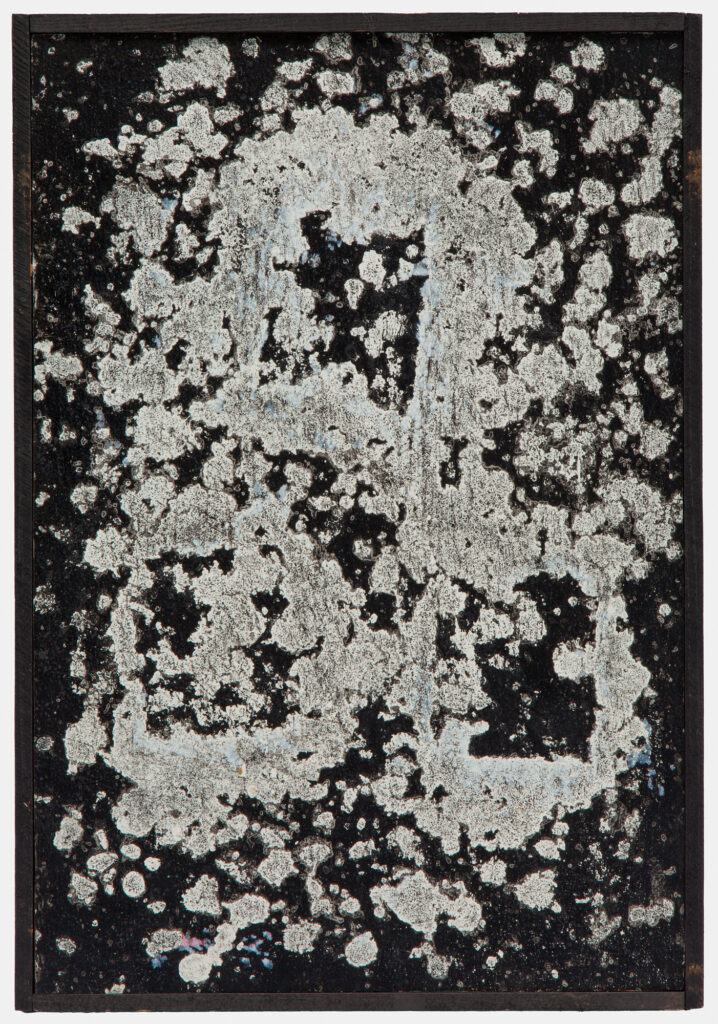
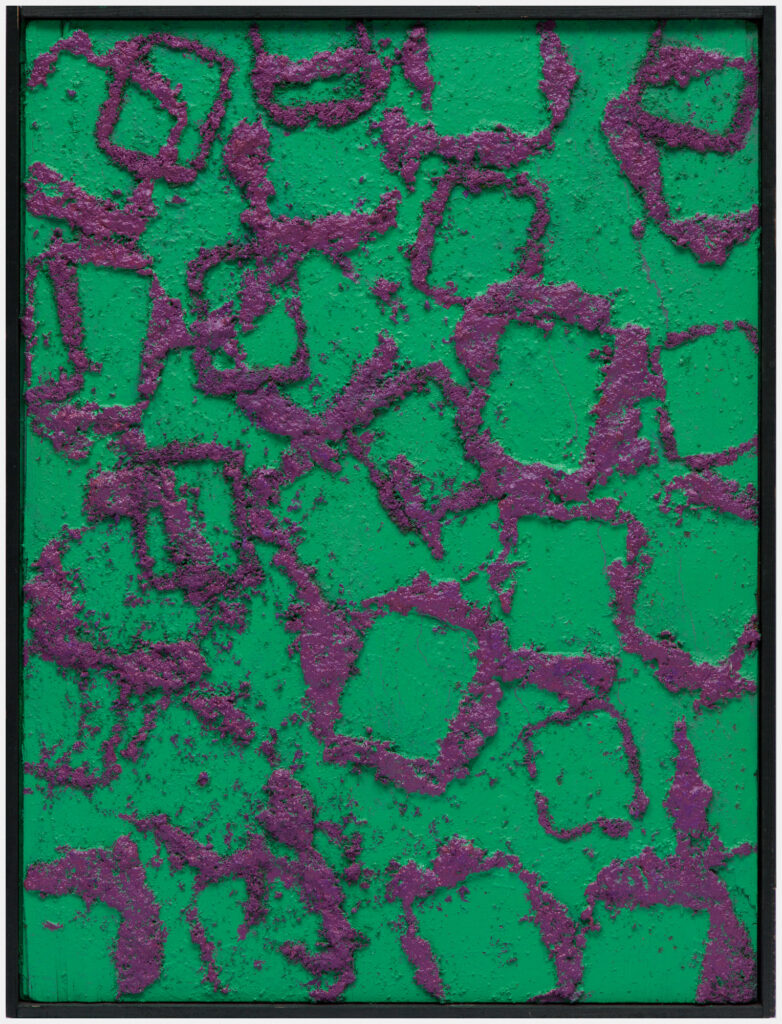
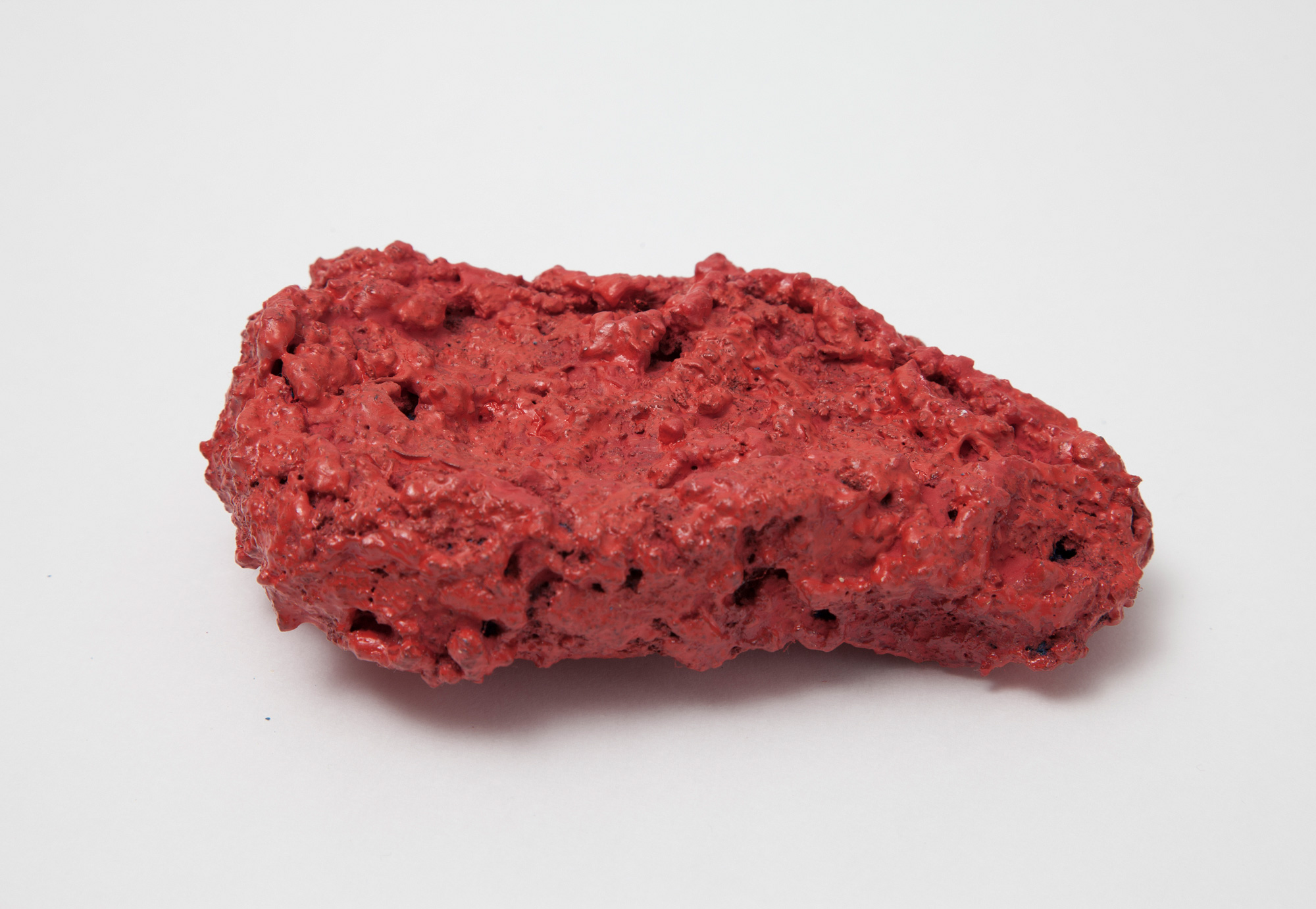
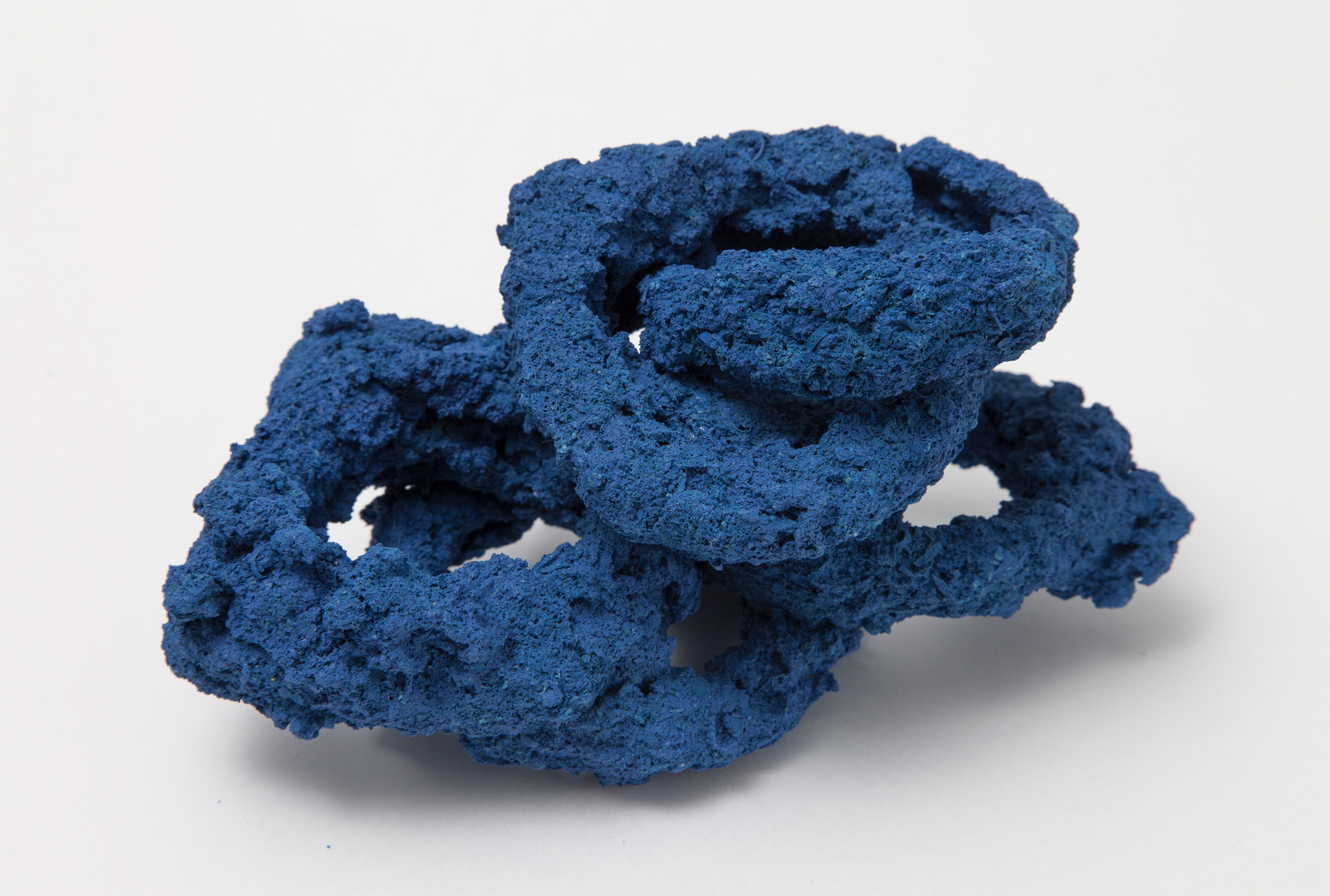
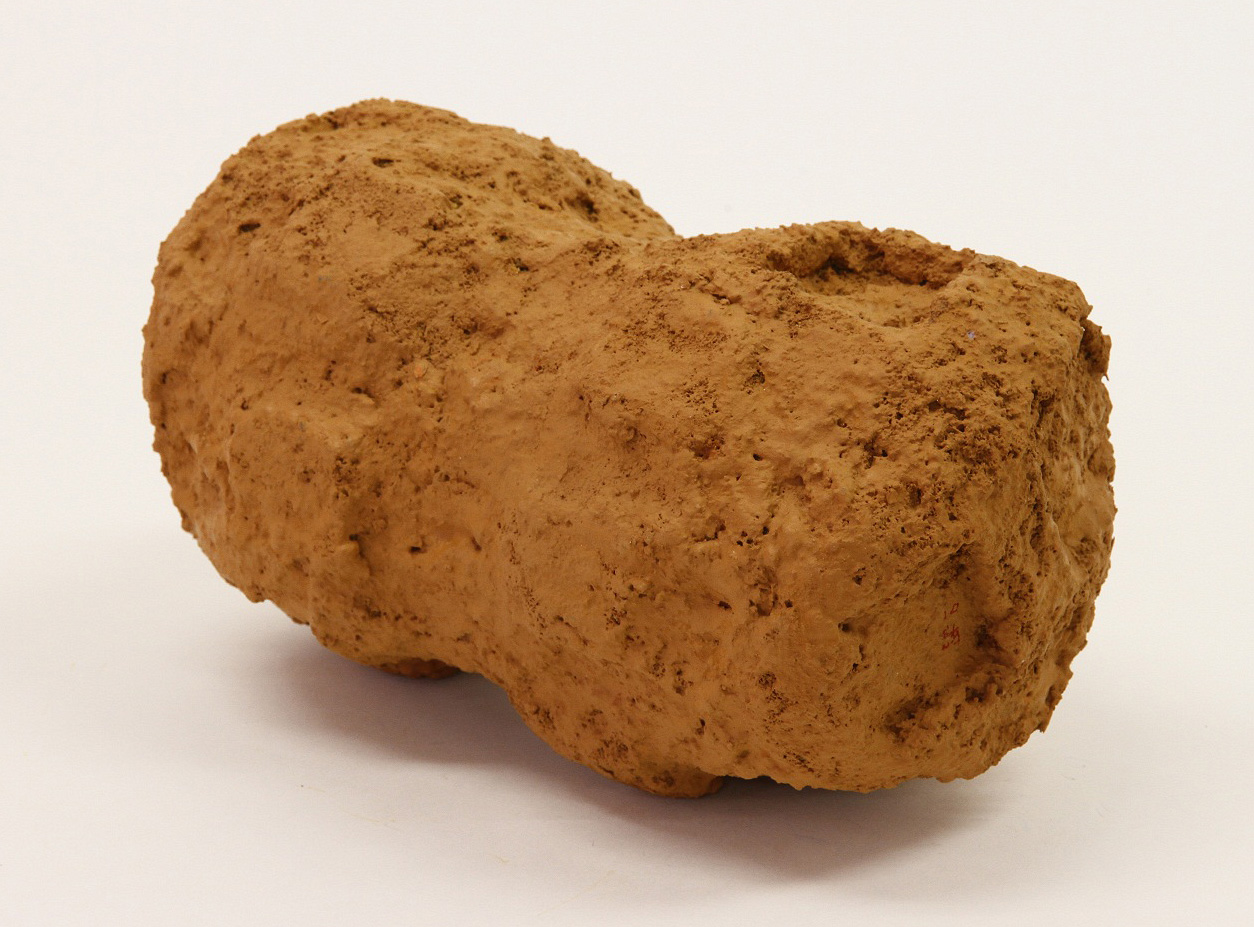
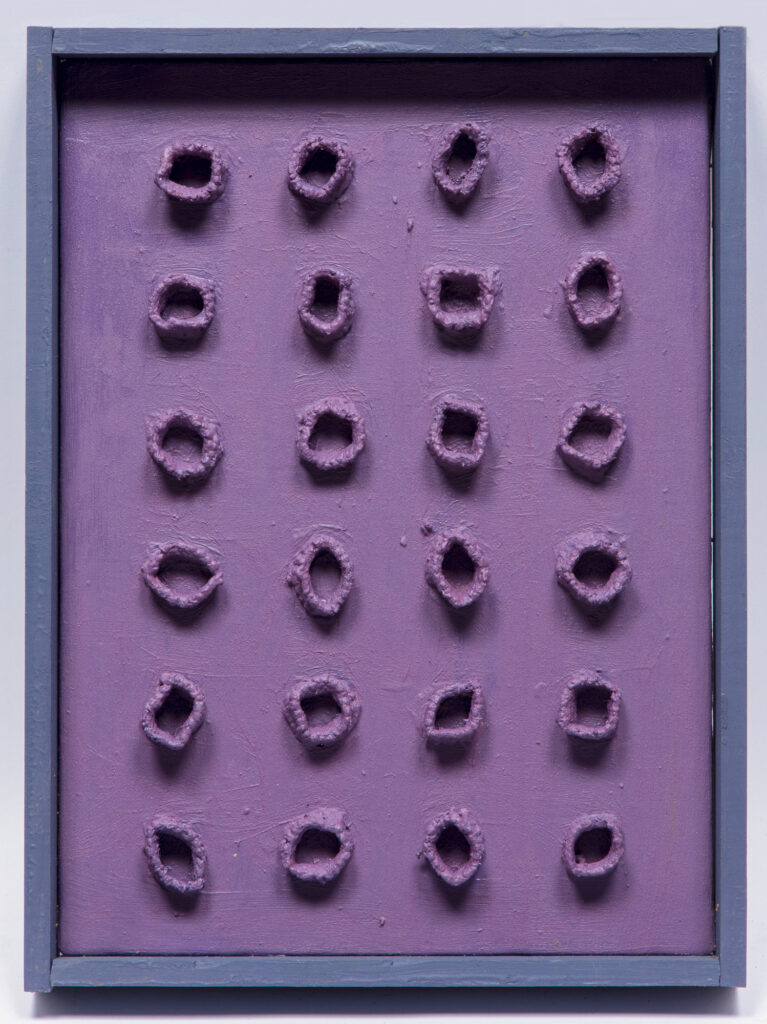
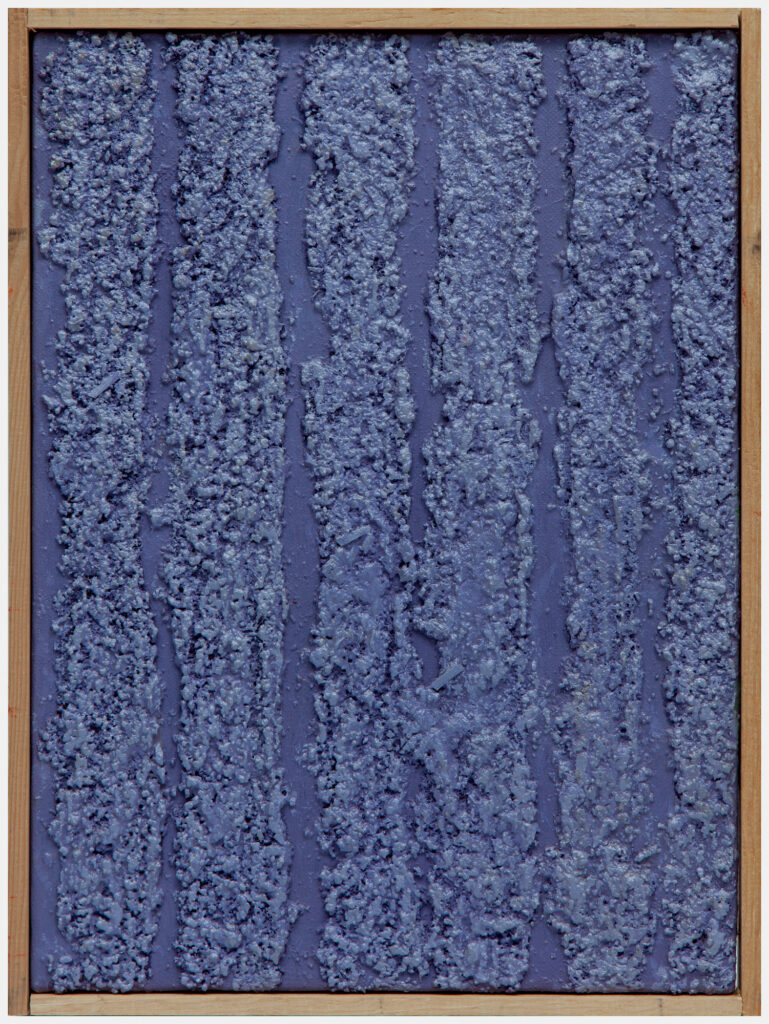
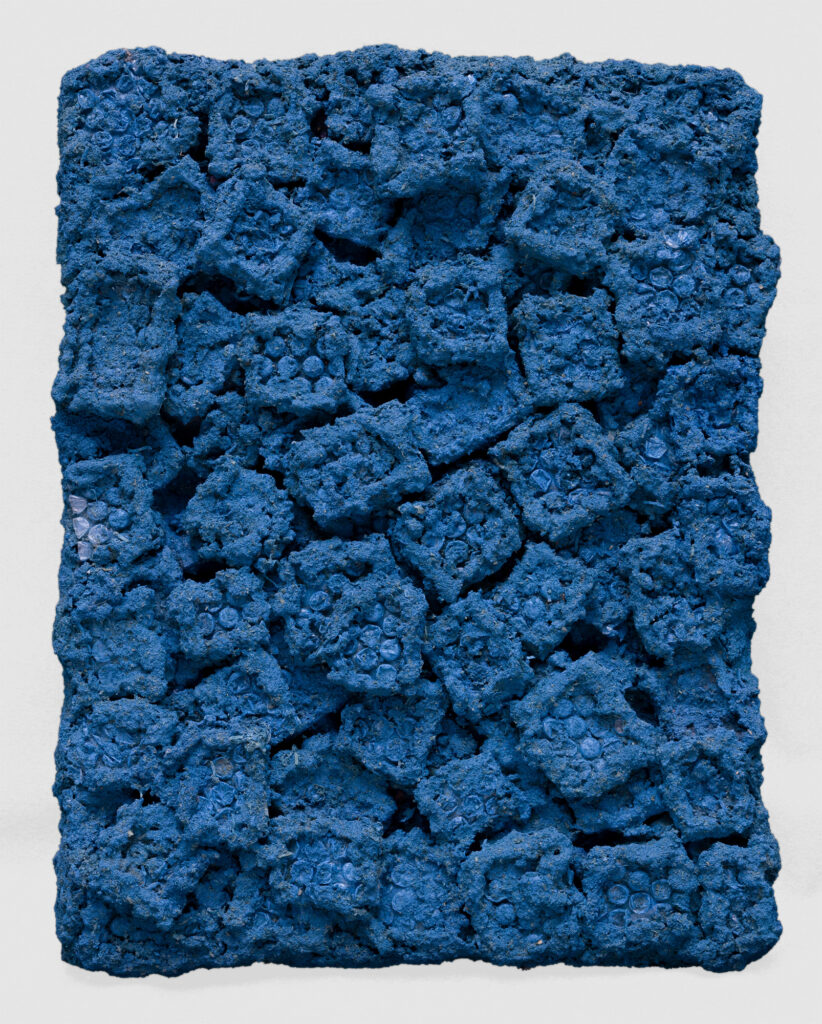
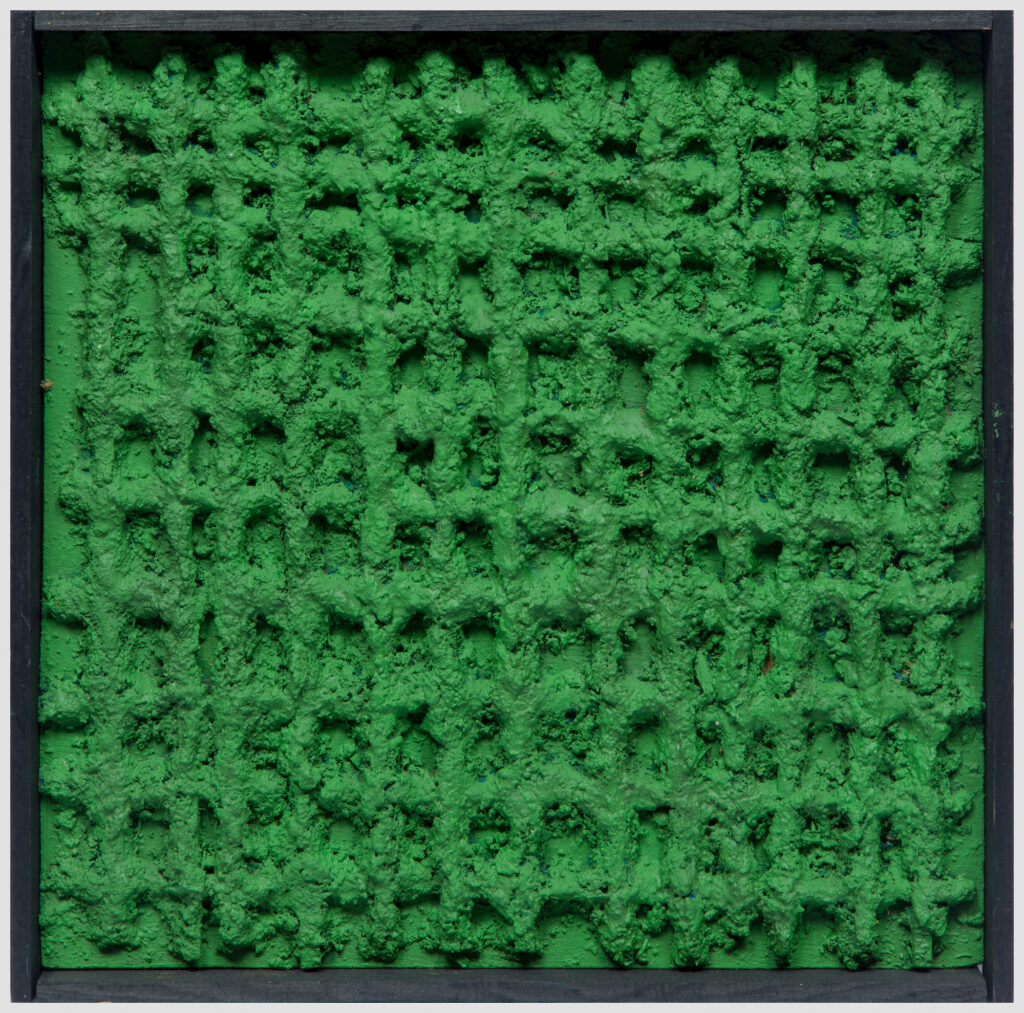
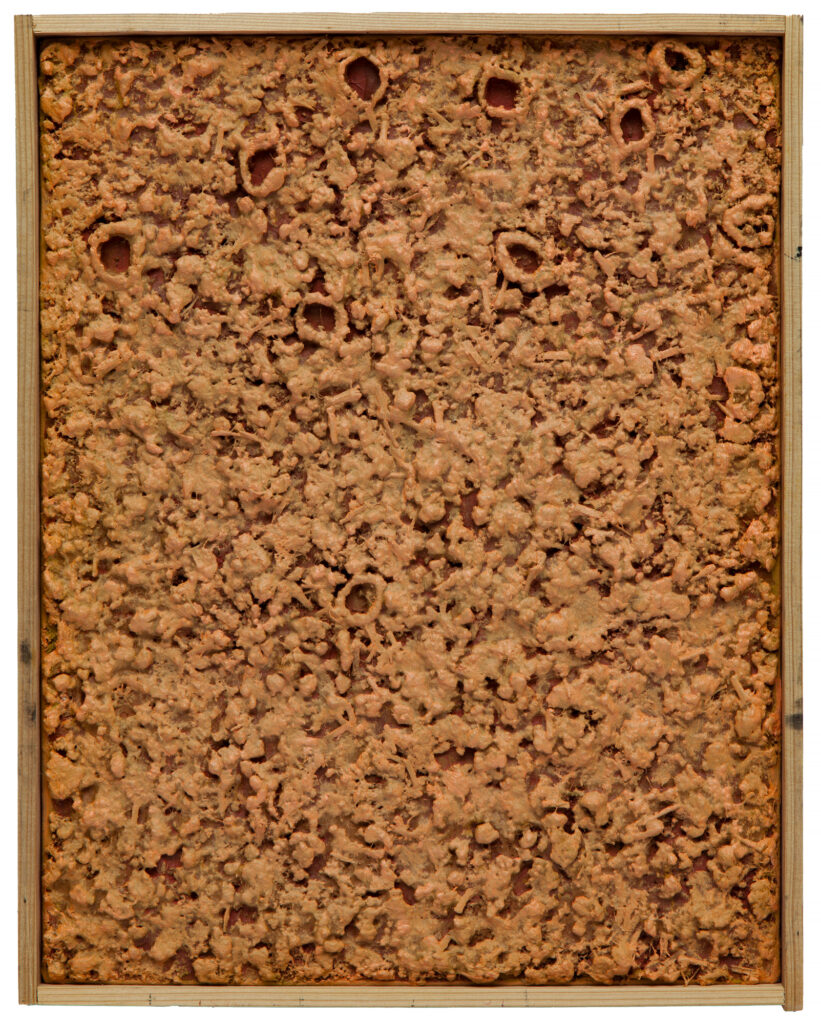
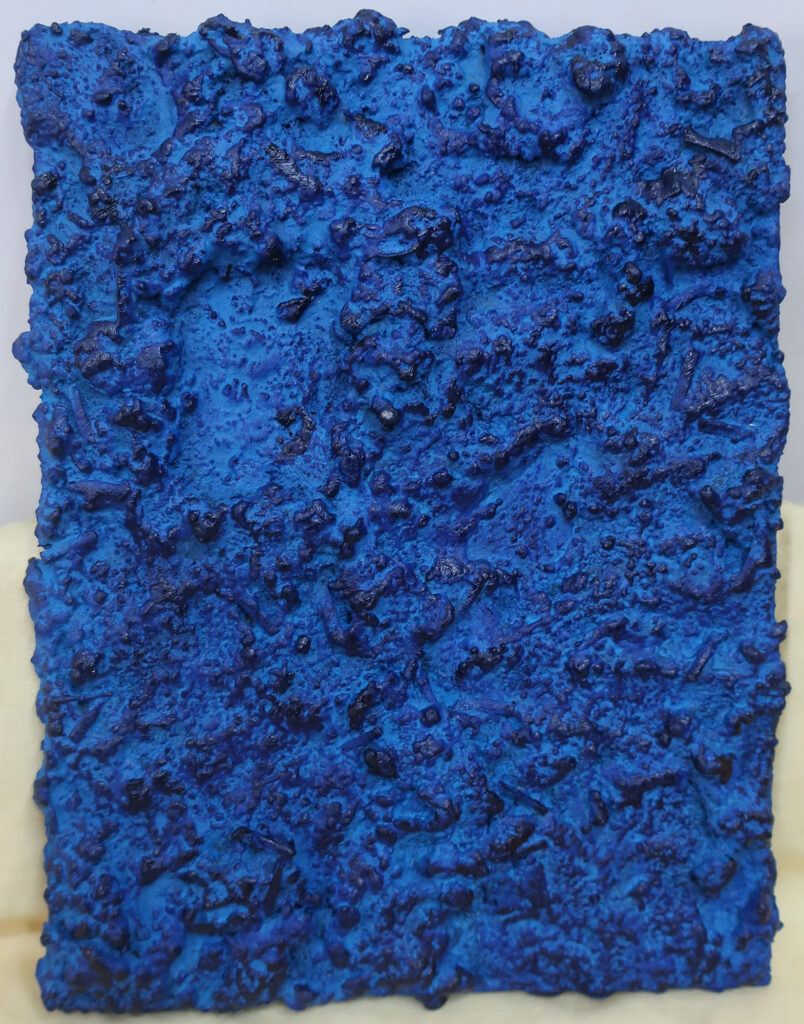
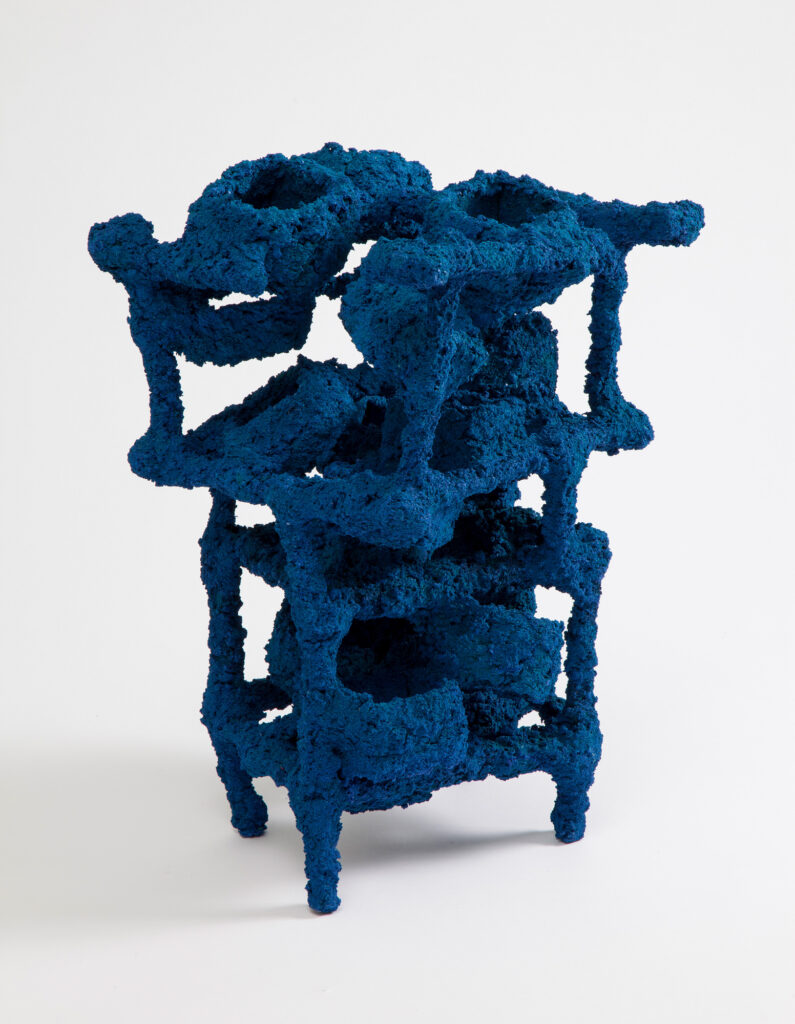
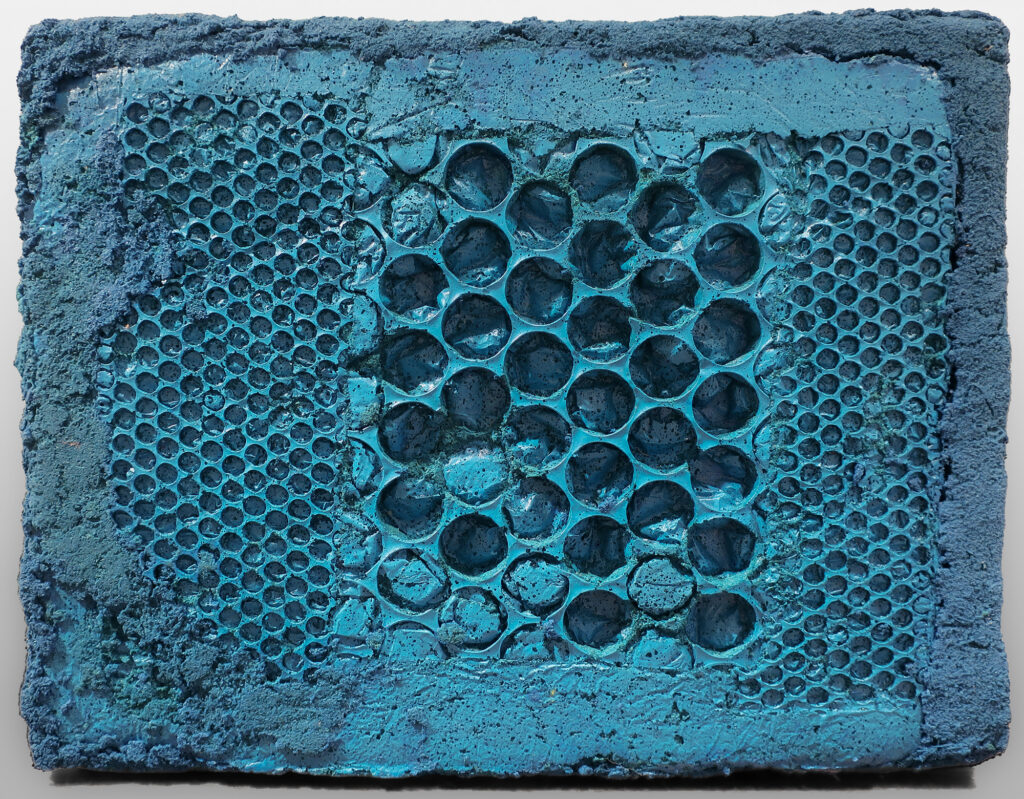
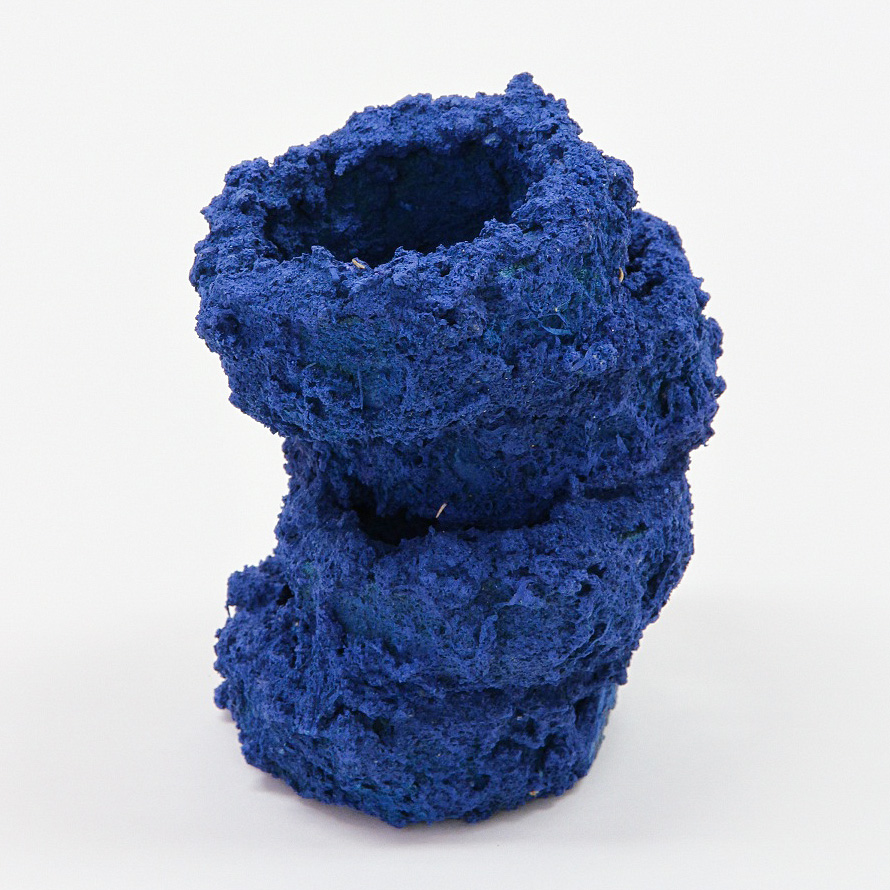
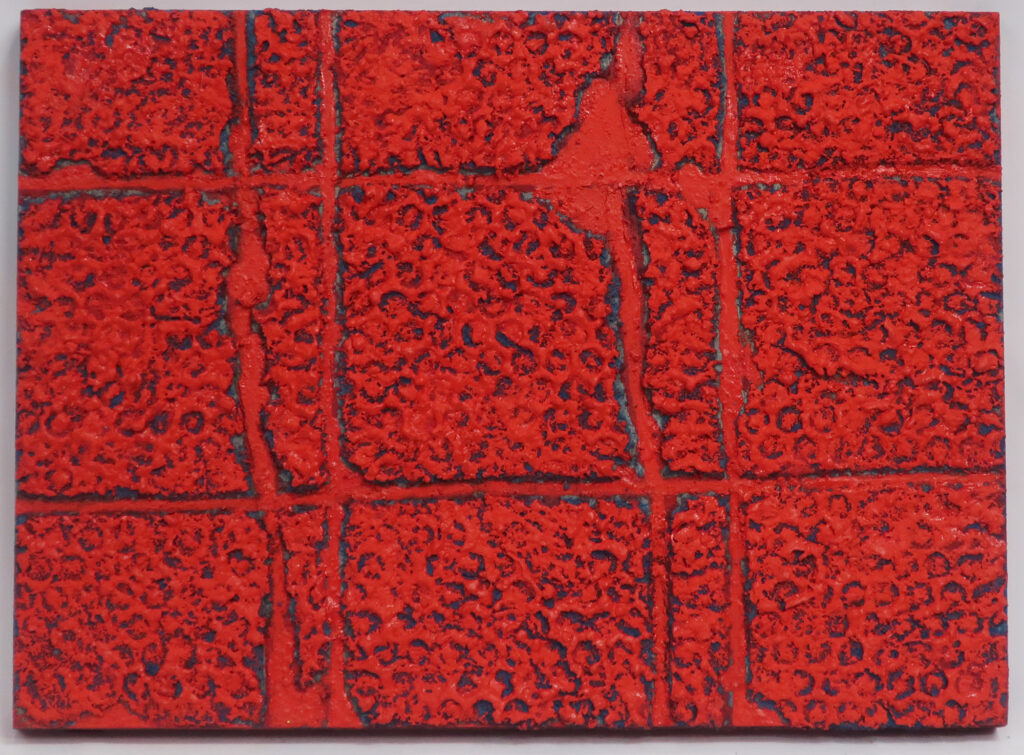
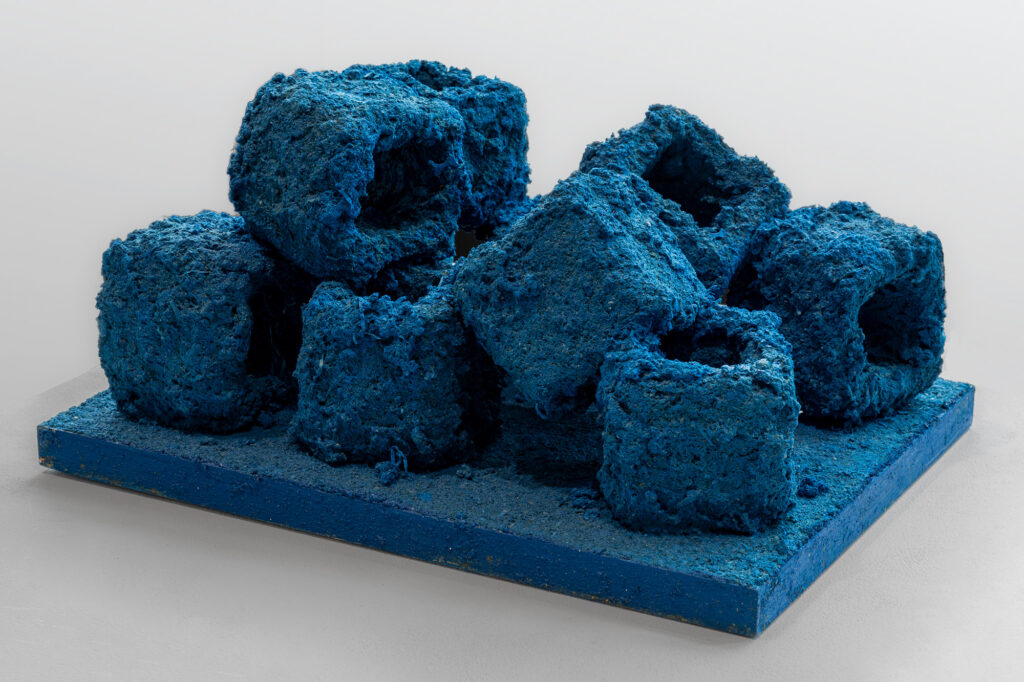
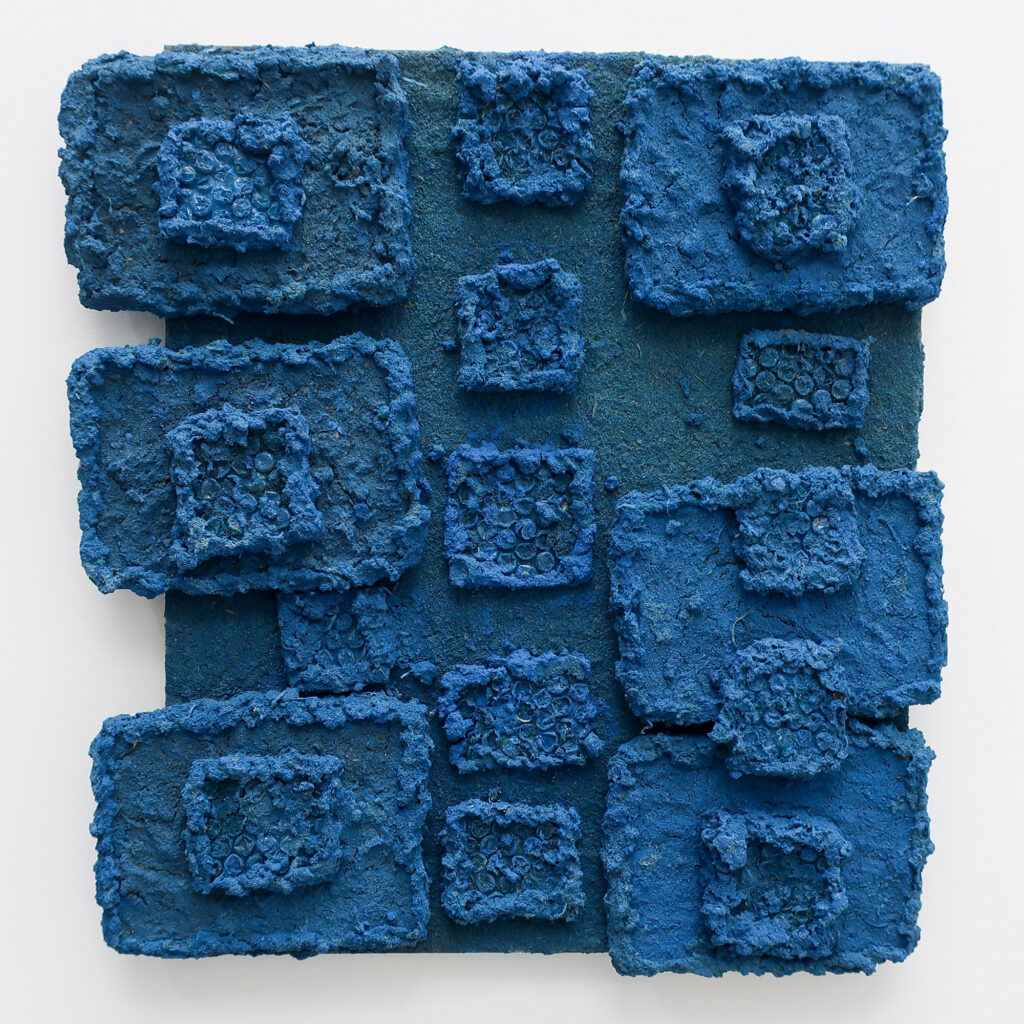
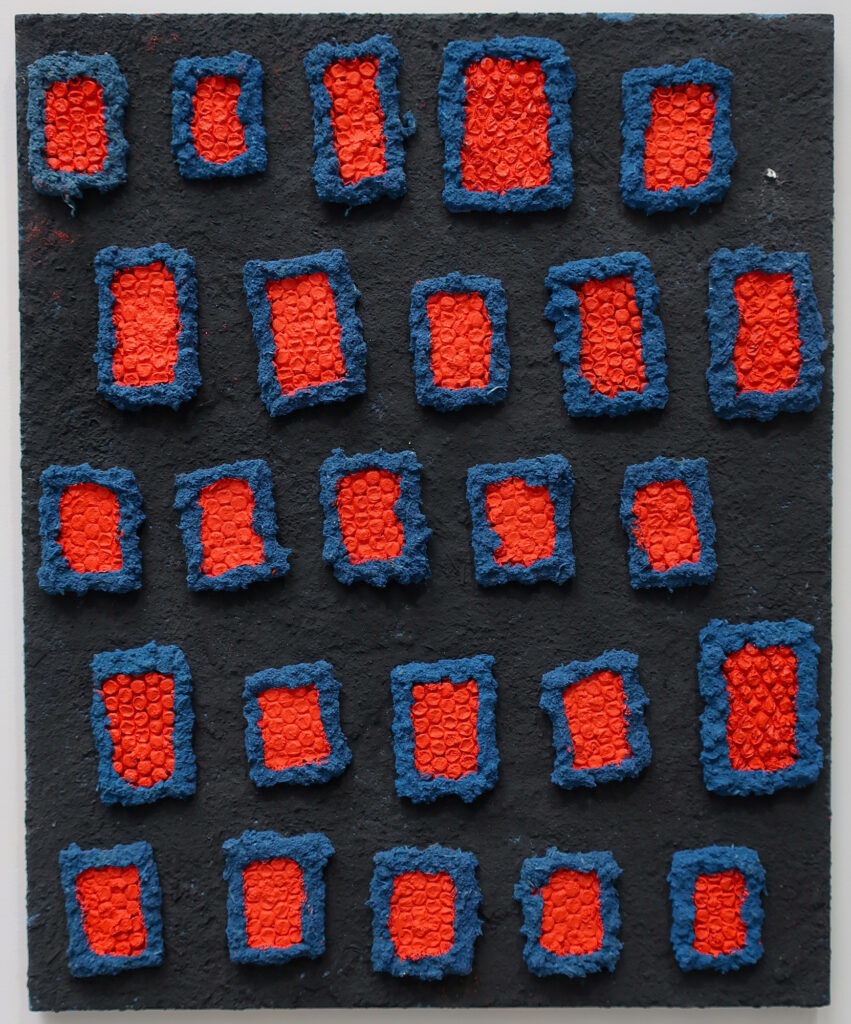
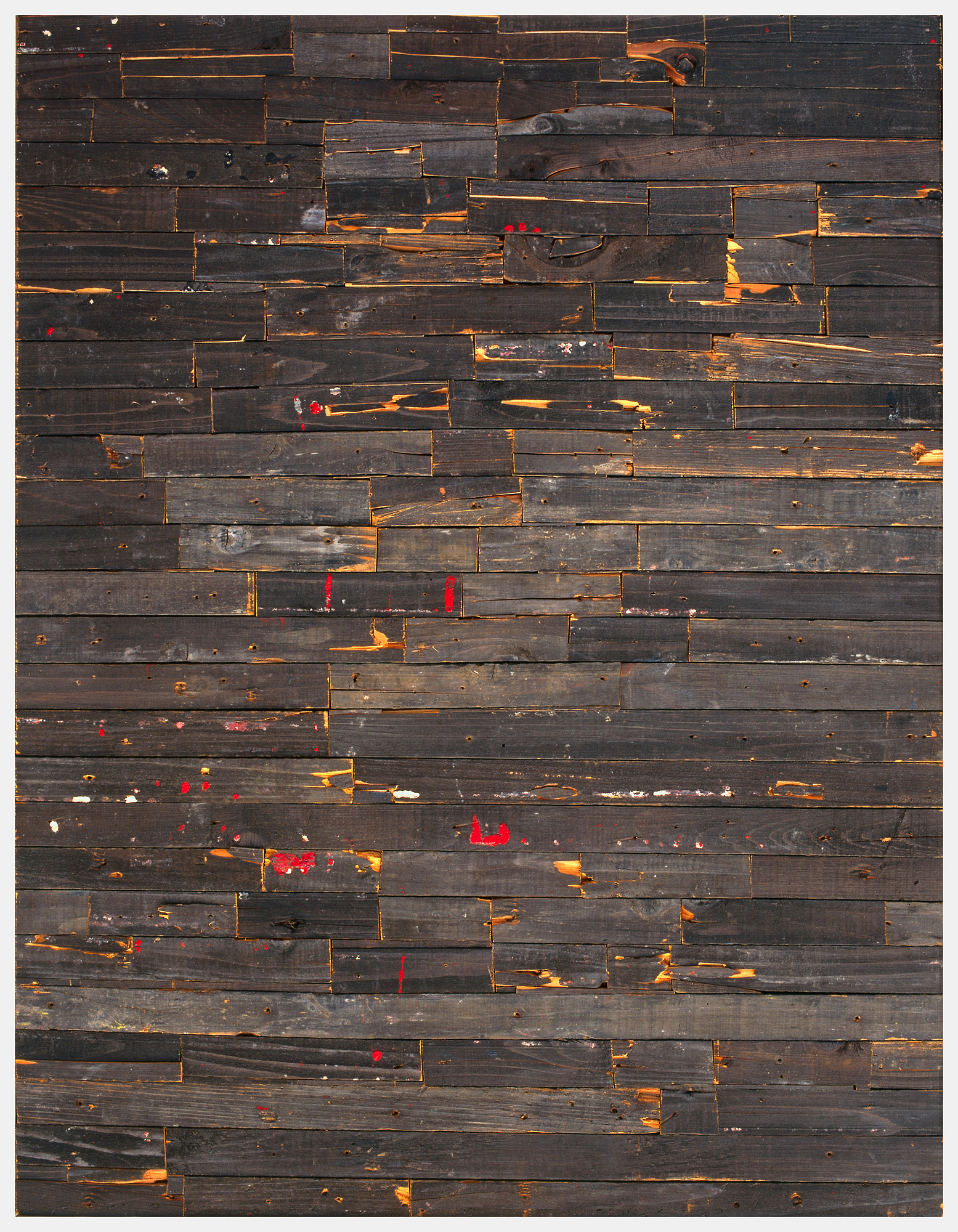
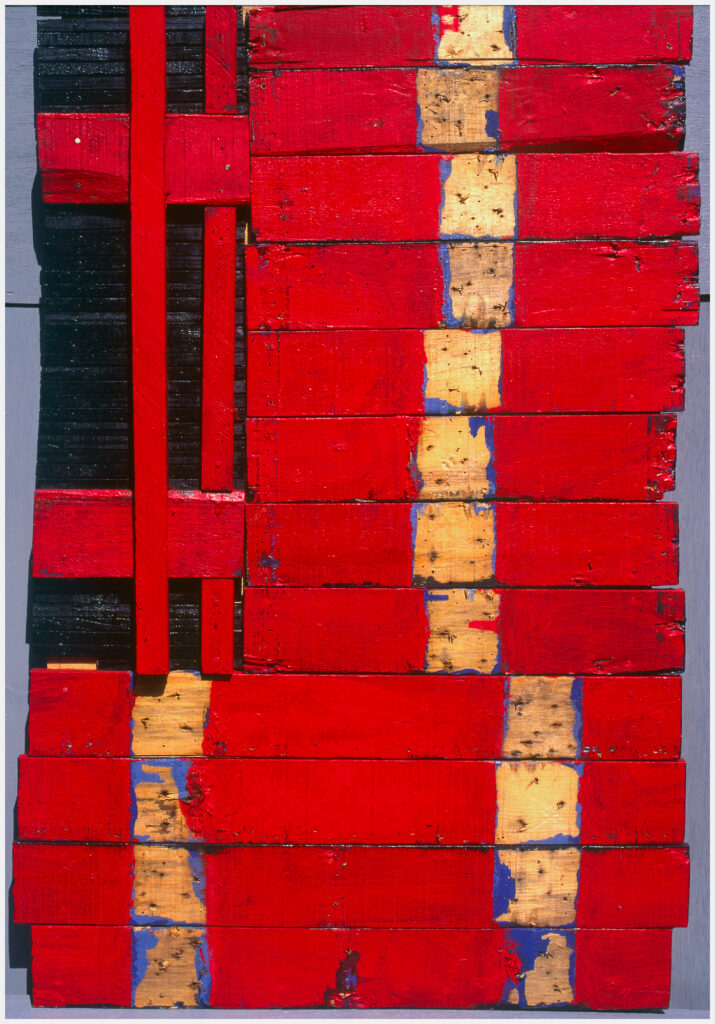
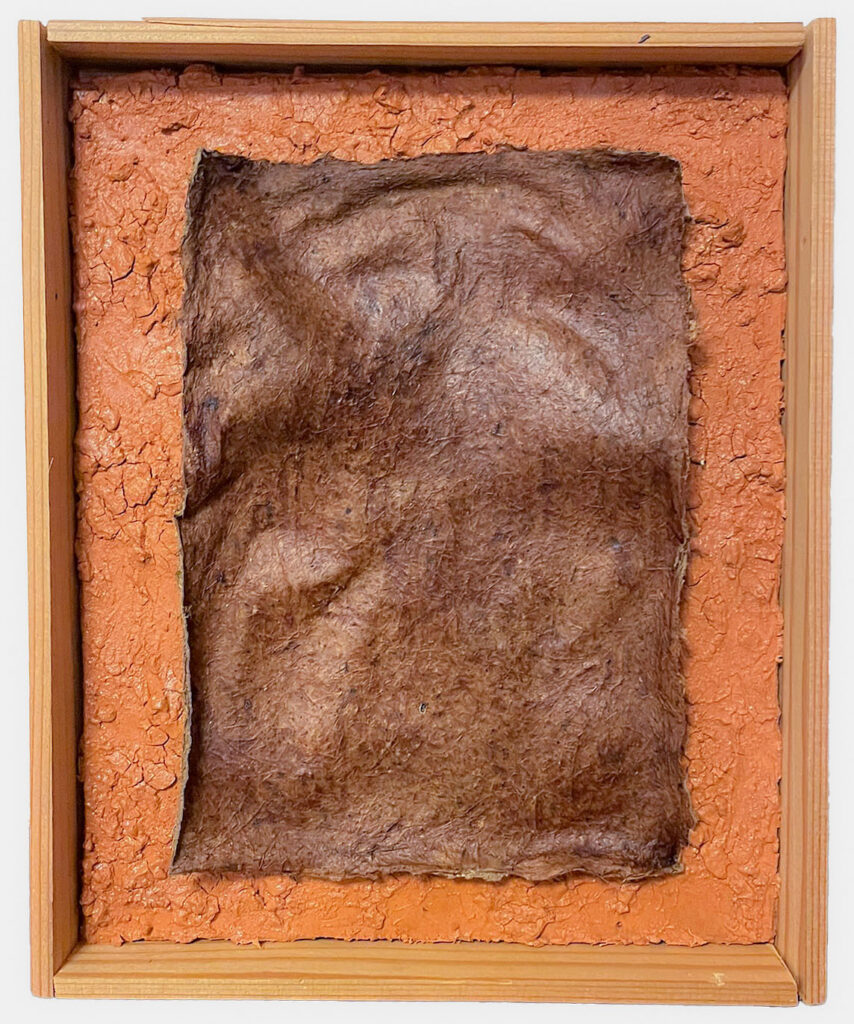
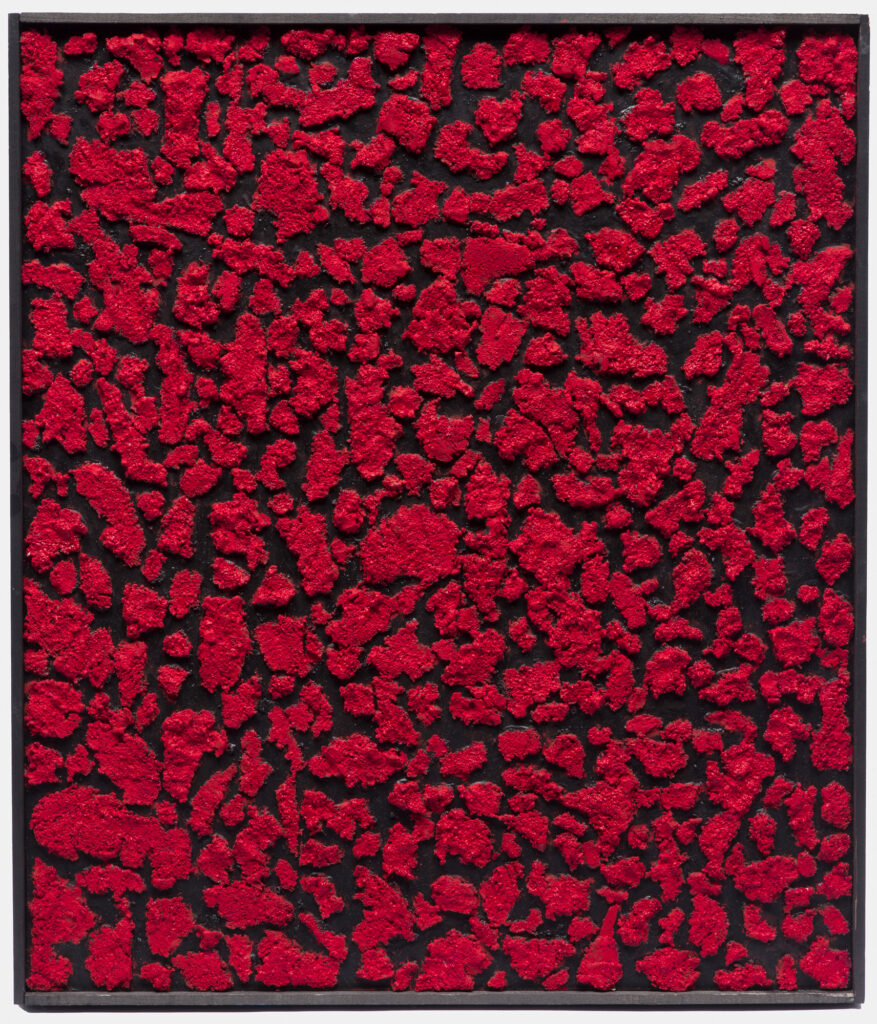
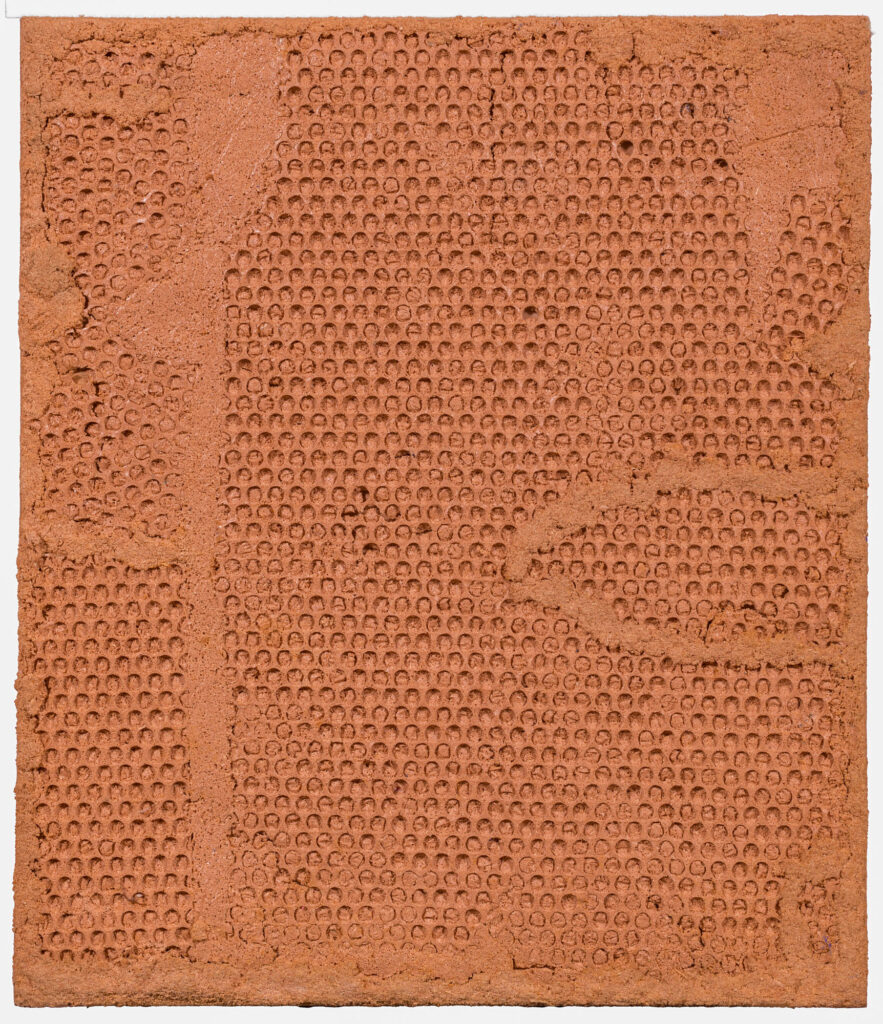
From 2000 onward, mixed-media works came to occupy a central place in Uemae’s practice alongside his printmaking. Around this time he began developing a technique he called “Moriage” (built-up). This method used materials such as sawdust, bubble wrap, milk cartons, paper, and fallen leaves as structural elements or underlying layers, onto which mixtures of house paint, oil paint, and plaster were repeatedly applied to create thick surfaces.
Color shifted toward increasingly high-key tones, and monochromatic works became more frequent. The Moriage technique was applied not only to sculptural and relief works but also to flat compositions.
An emphasis on materiality, high-key color compositions, and pictorial structures based on the repetition of □ (square motifs)—the combination of these elements came to characterize his work during this period.
Selected Works
(3.6) Works Using Diverse Materials
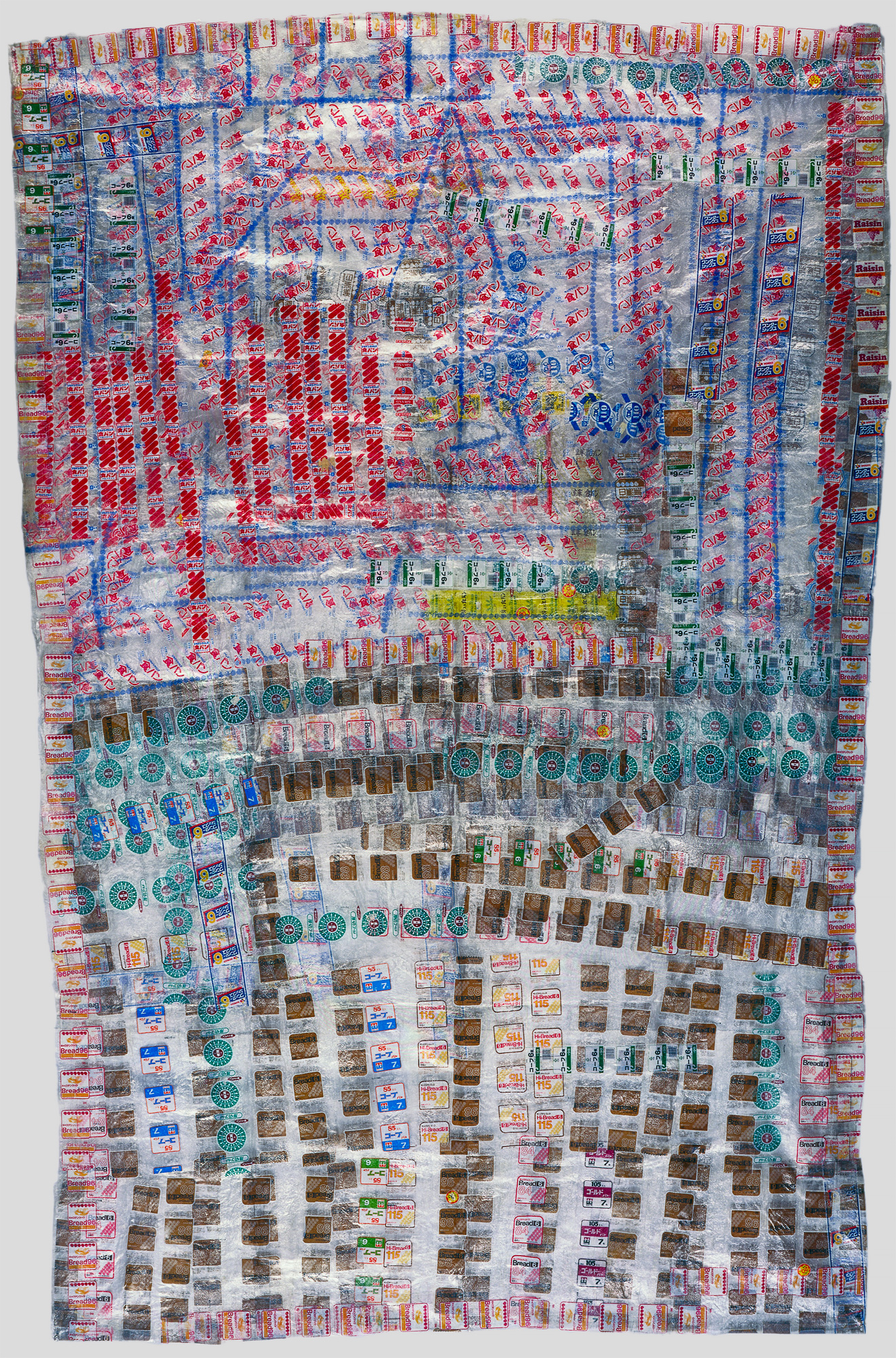
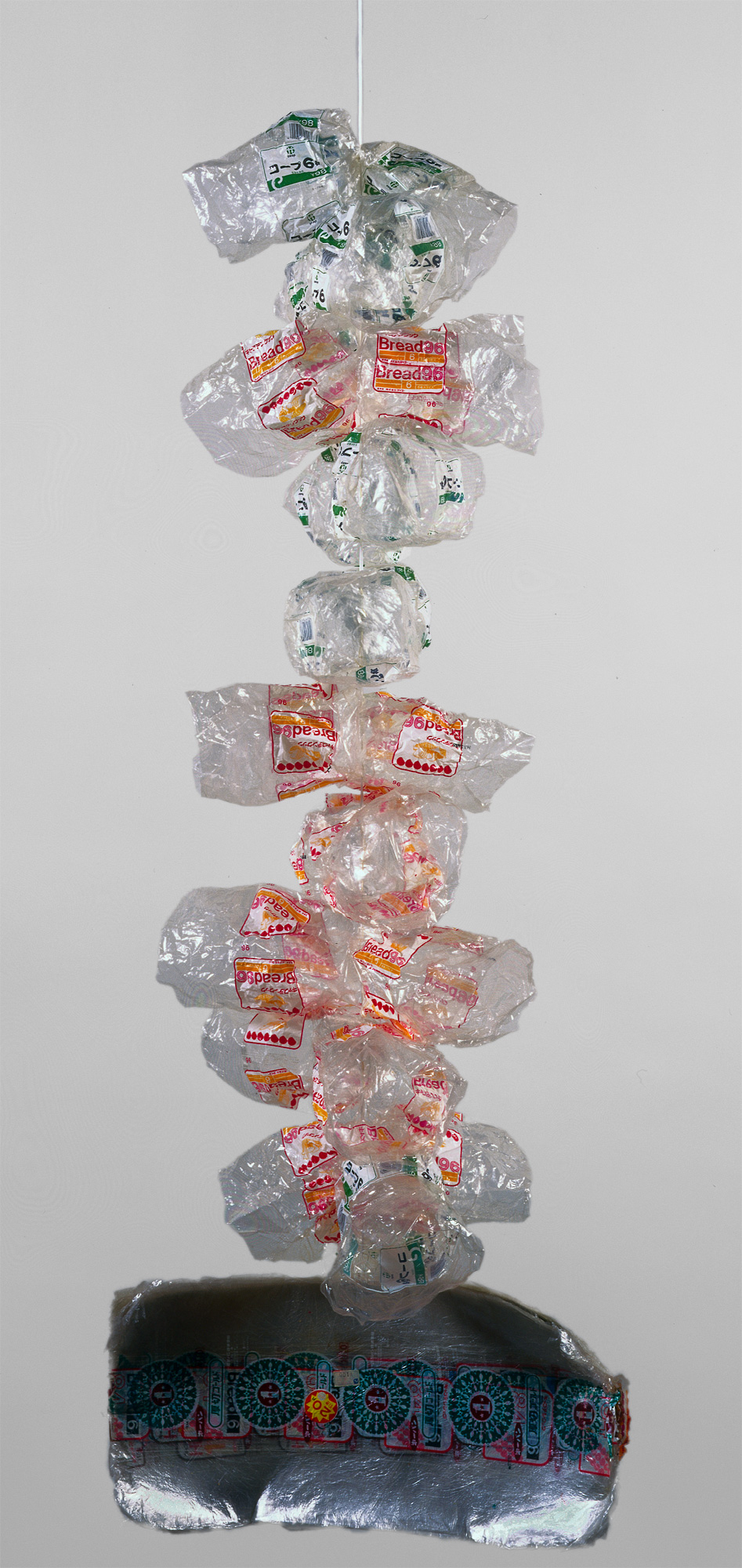
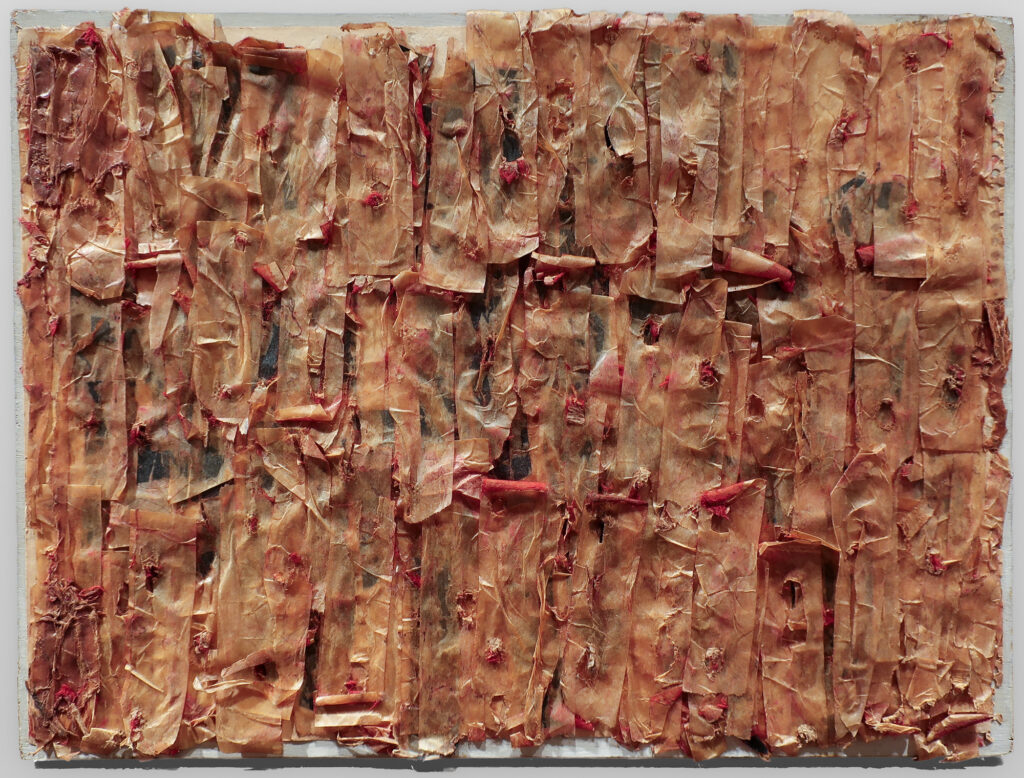
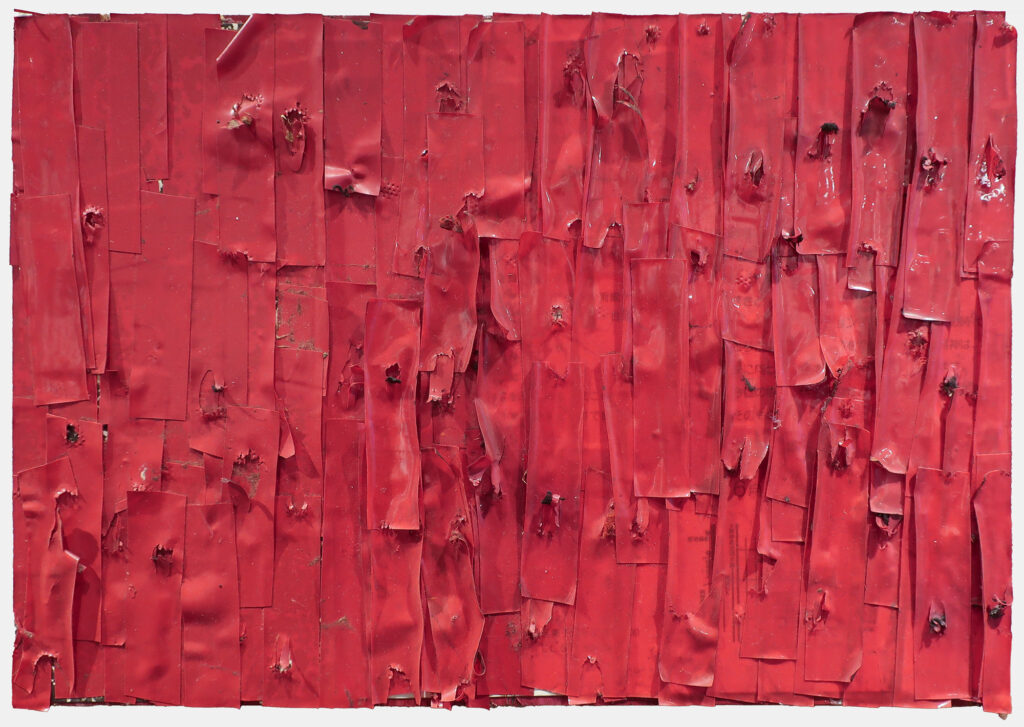
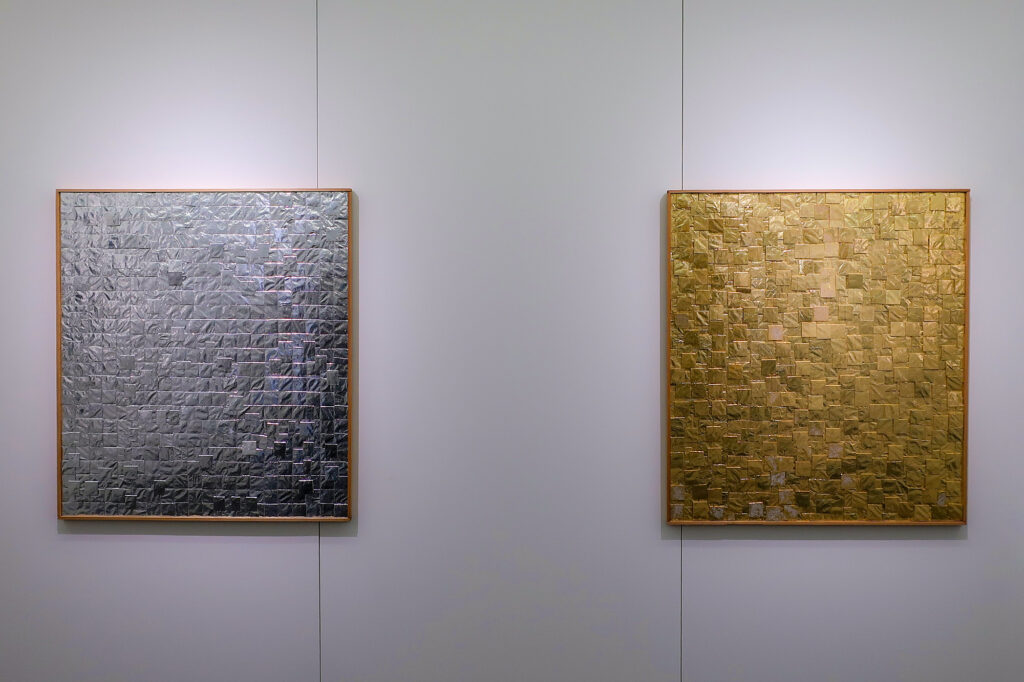
Uemae worked with a wide range of materials, including familiar materials such as bread packaging, tape, and aluminum foil.
This section presents a group of works created from these diverse materials.
Uemae’s artistic practice shifted from figuration to abstraction and developed through the incorporation of diverse materials and methods. Even after reaching the age of ninety in 2010, his exploration never ceased.
The course of his artistic practice—carried out in close connection with his daily labor and the building of his home and studio—forms an essential background that underpins the compelling force of his work.
Selected Works
*Titles follow the conventions of the respective collections, where applicable.
*Please refrain from unauthorized reproduction or use of any images or texts on this site. Permission from the respective rights holders is required.